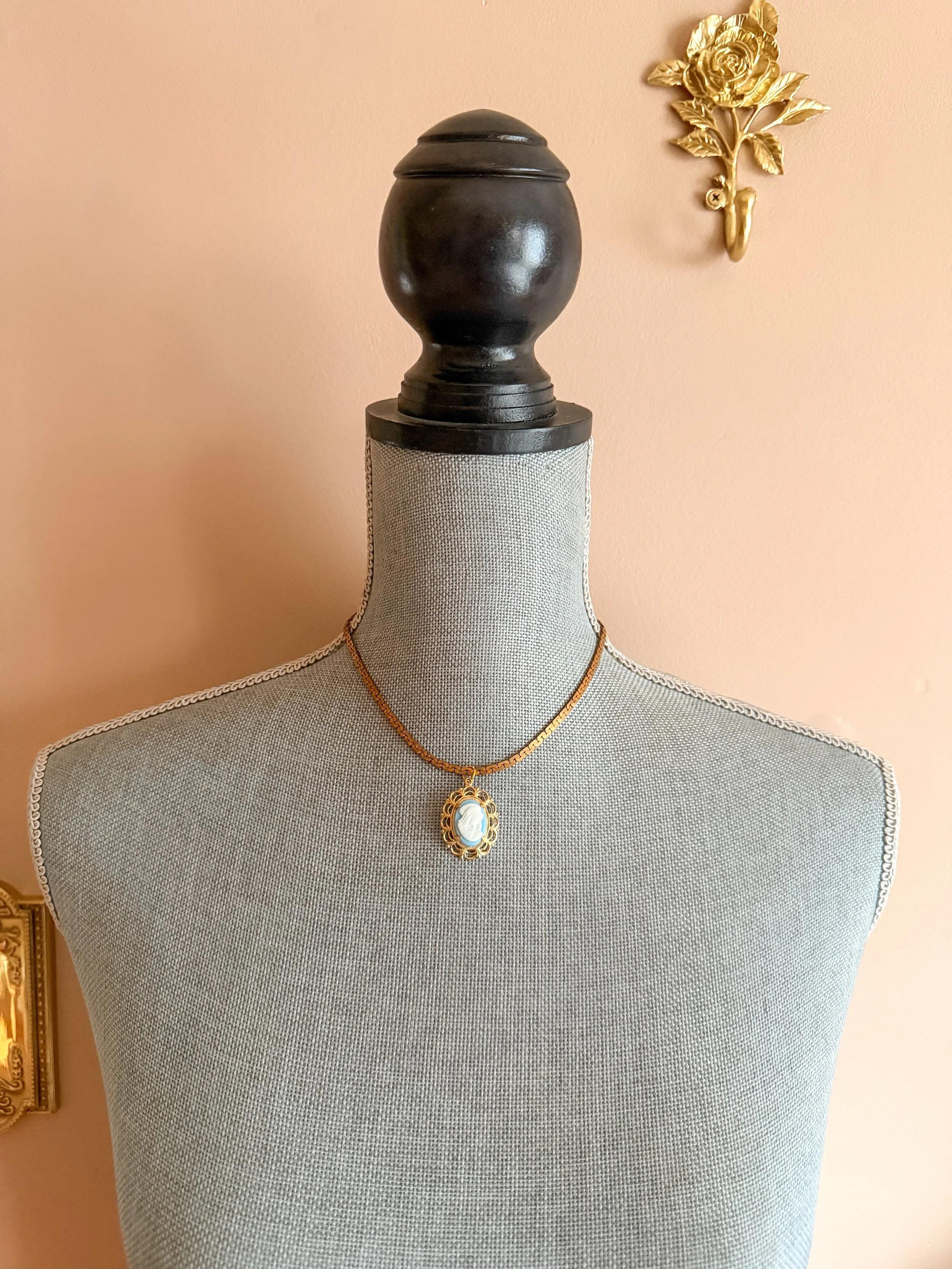
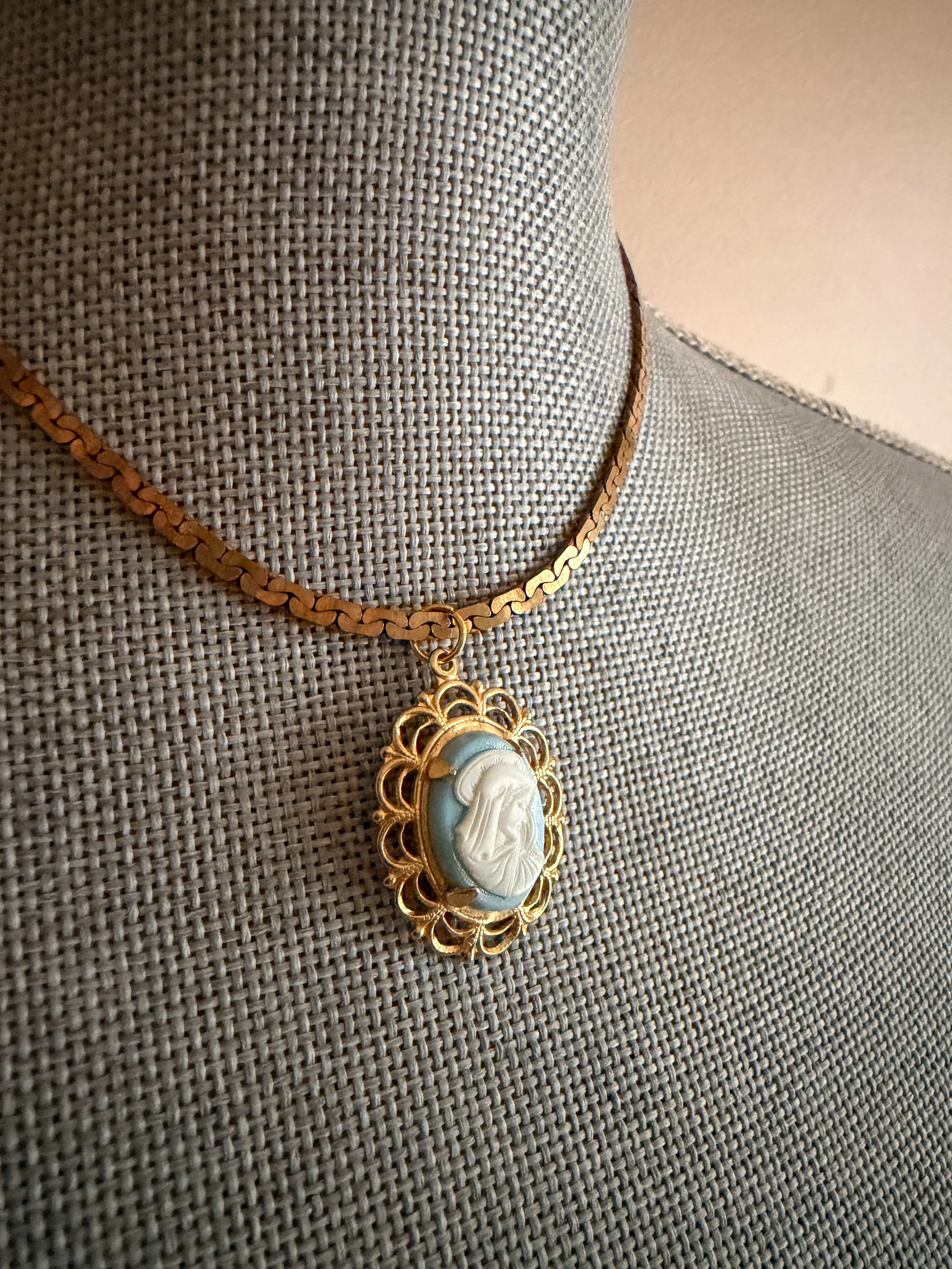
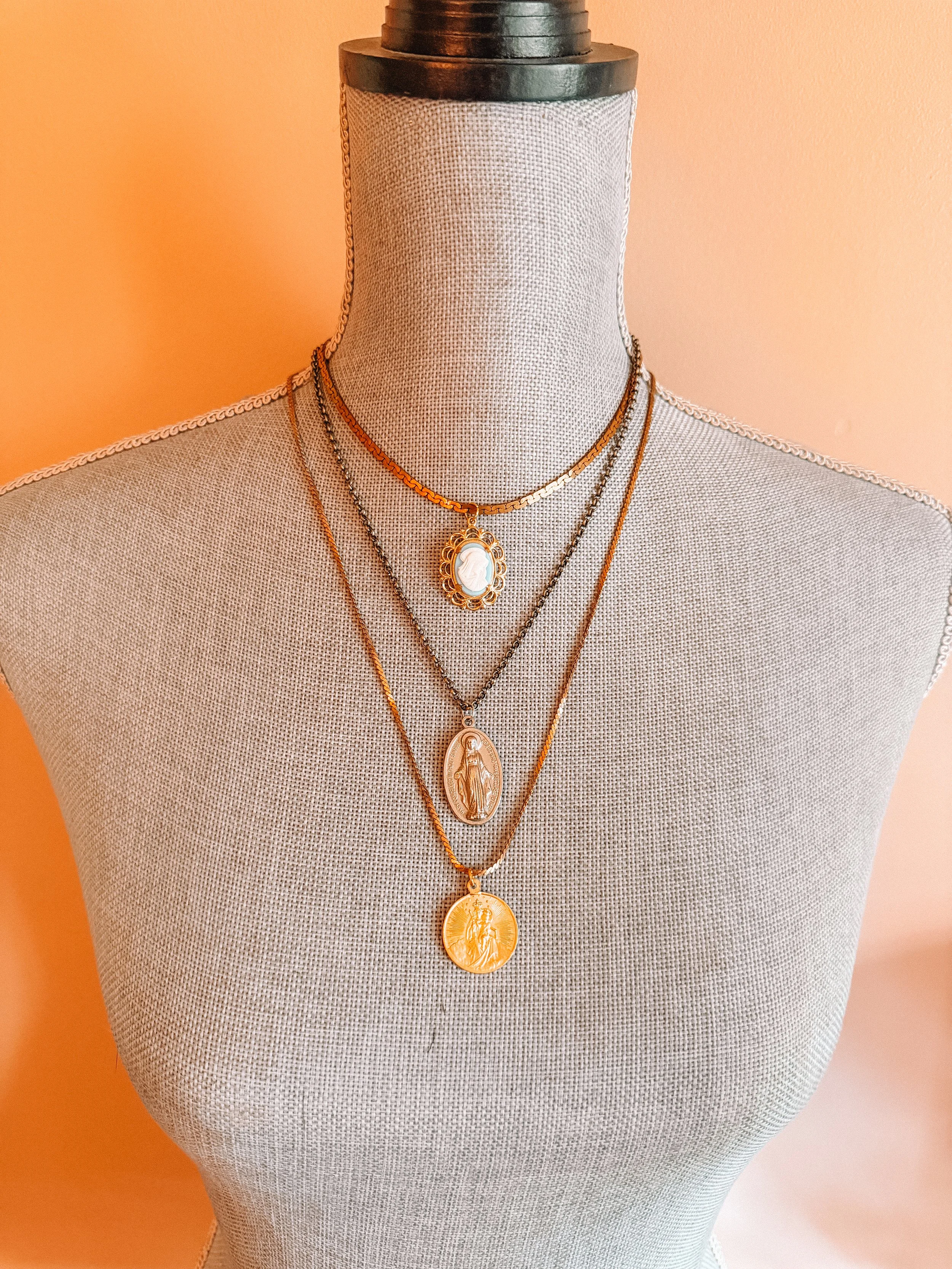
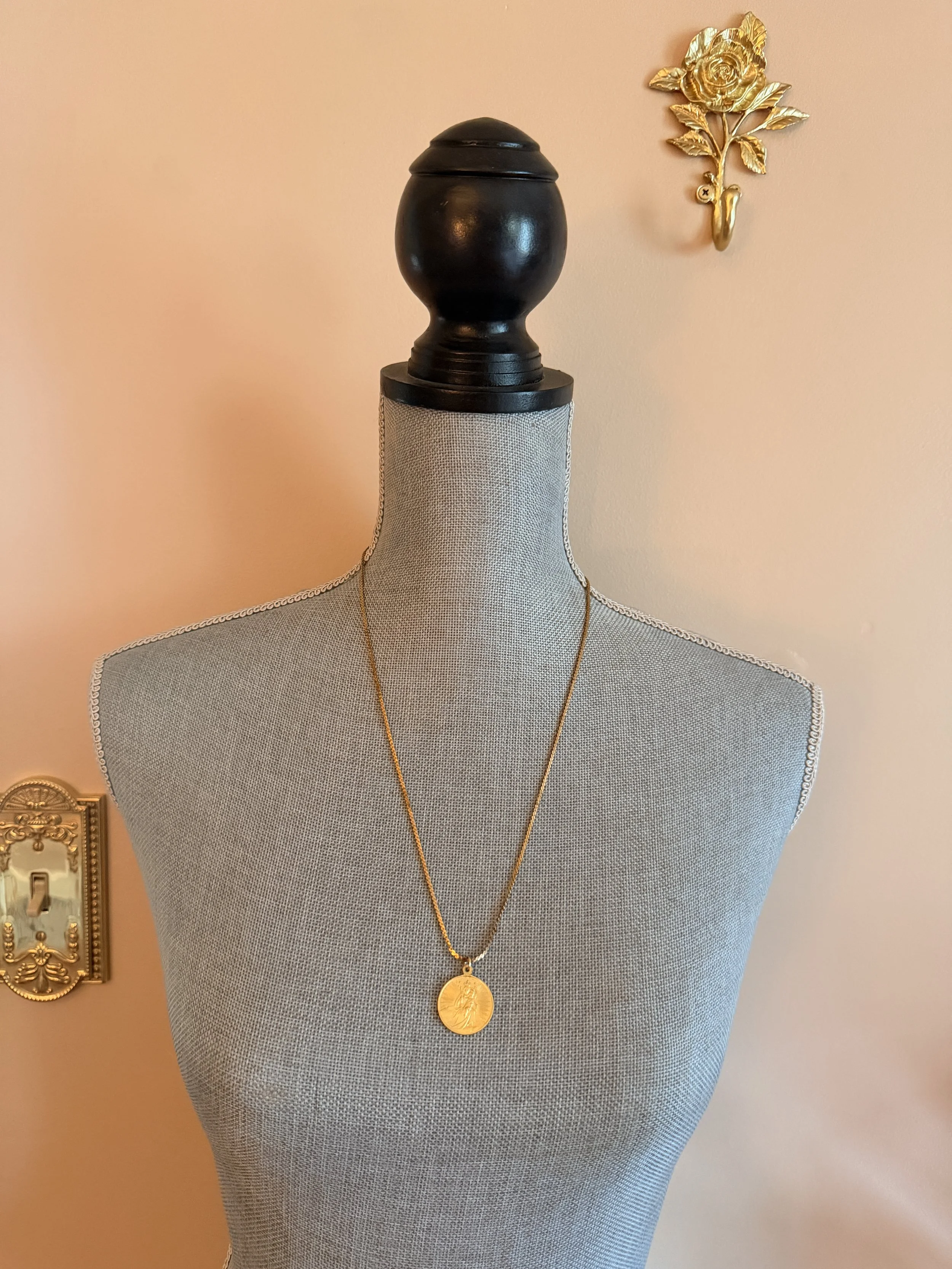
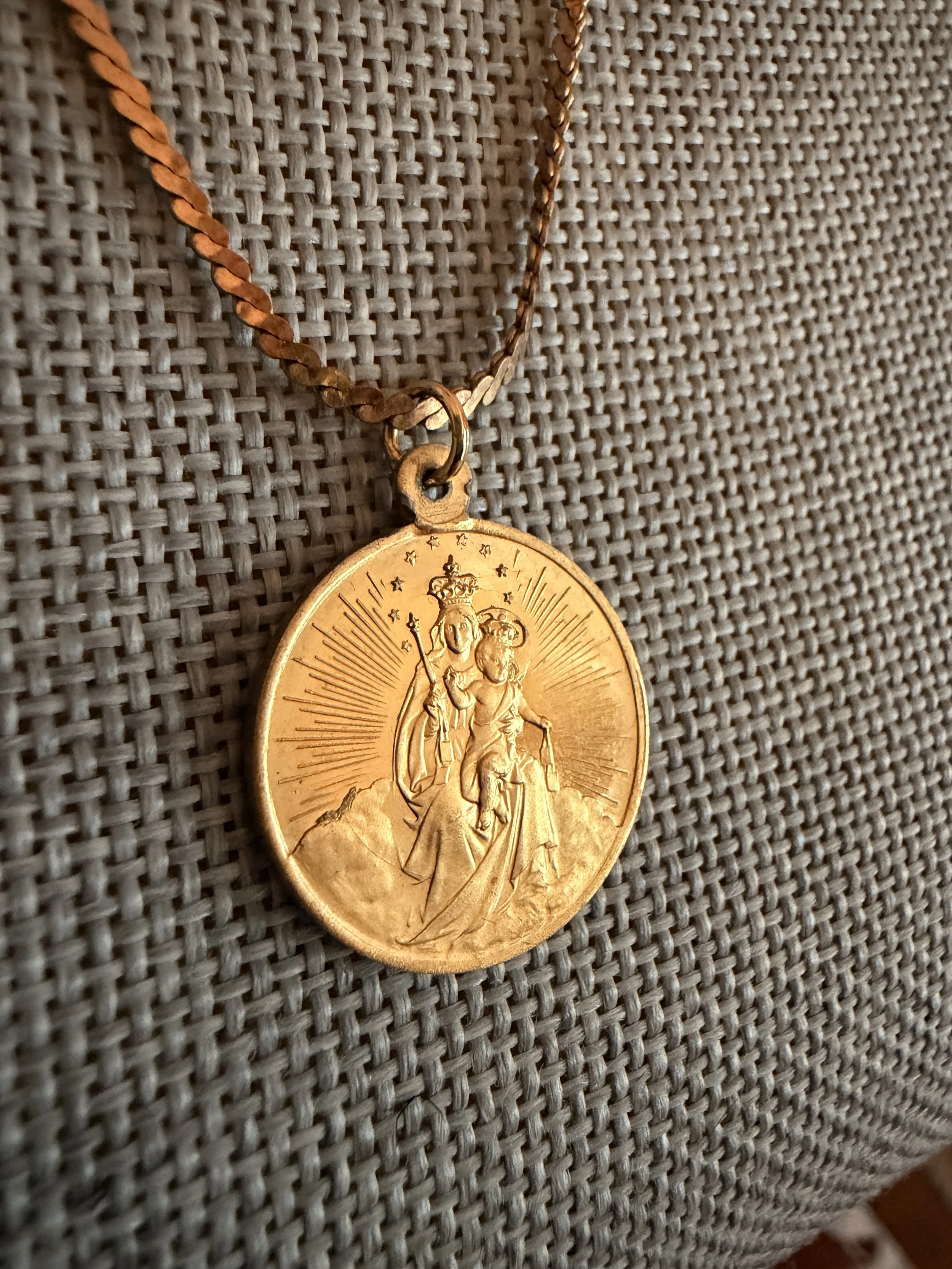
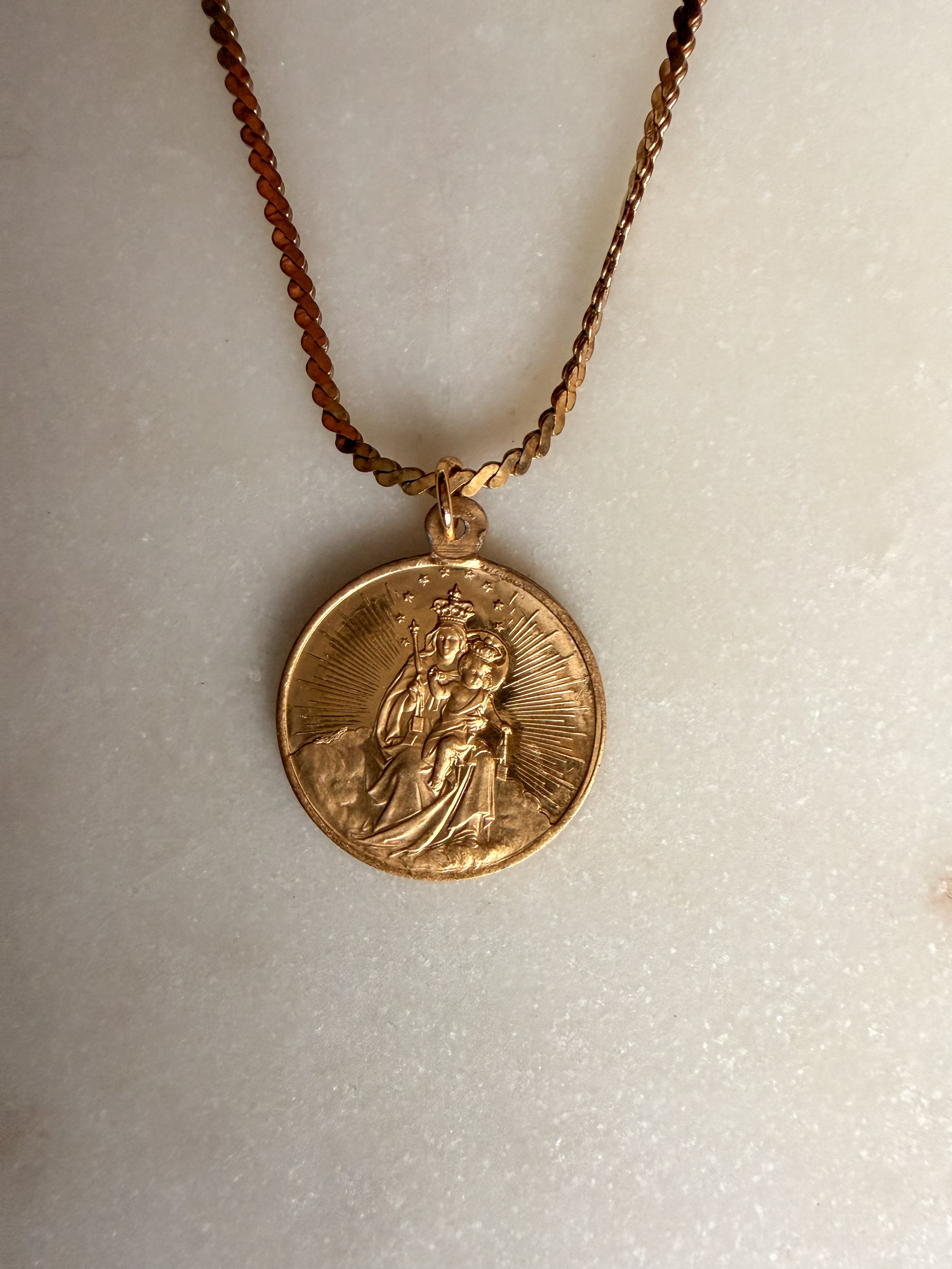
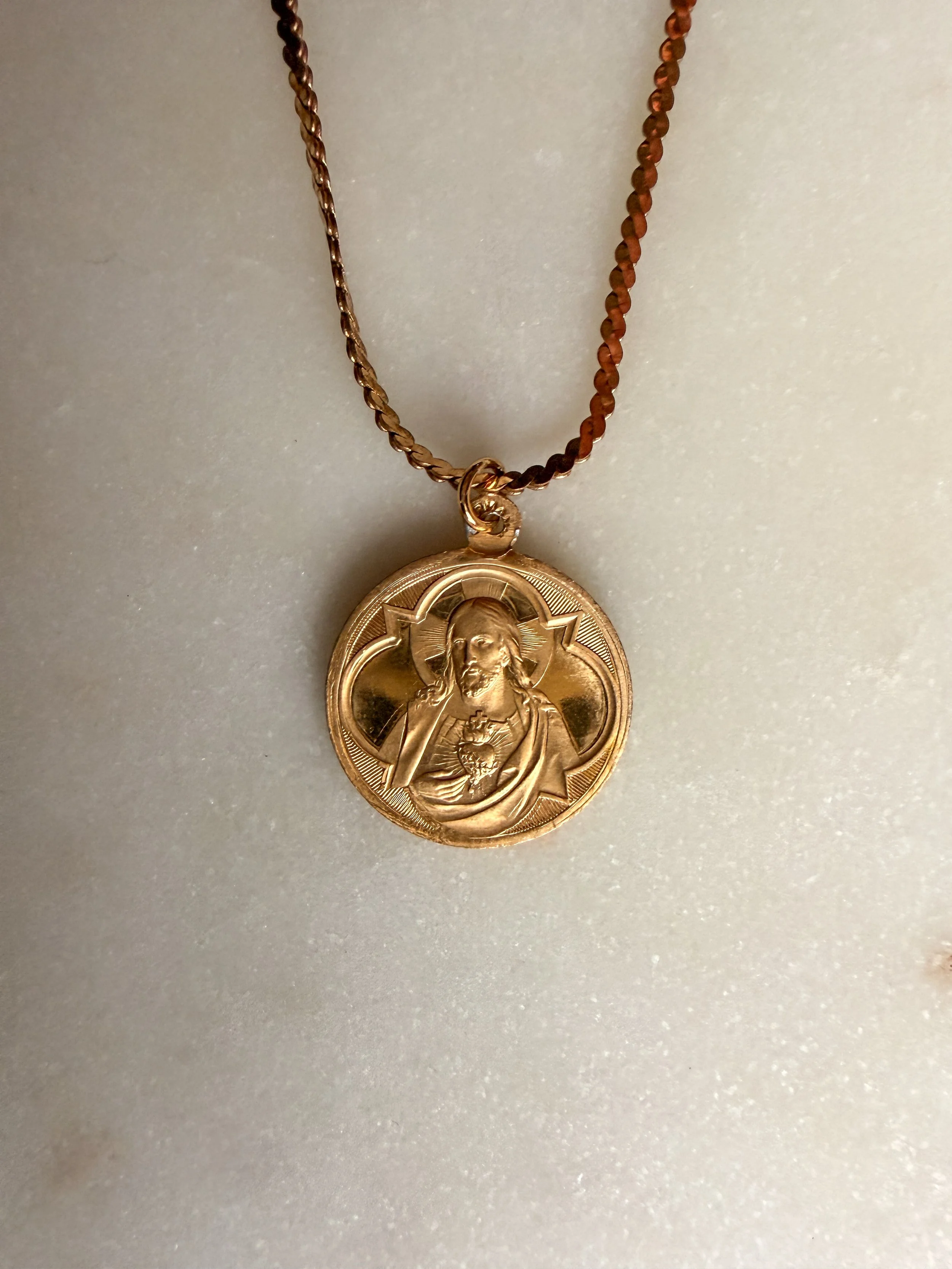
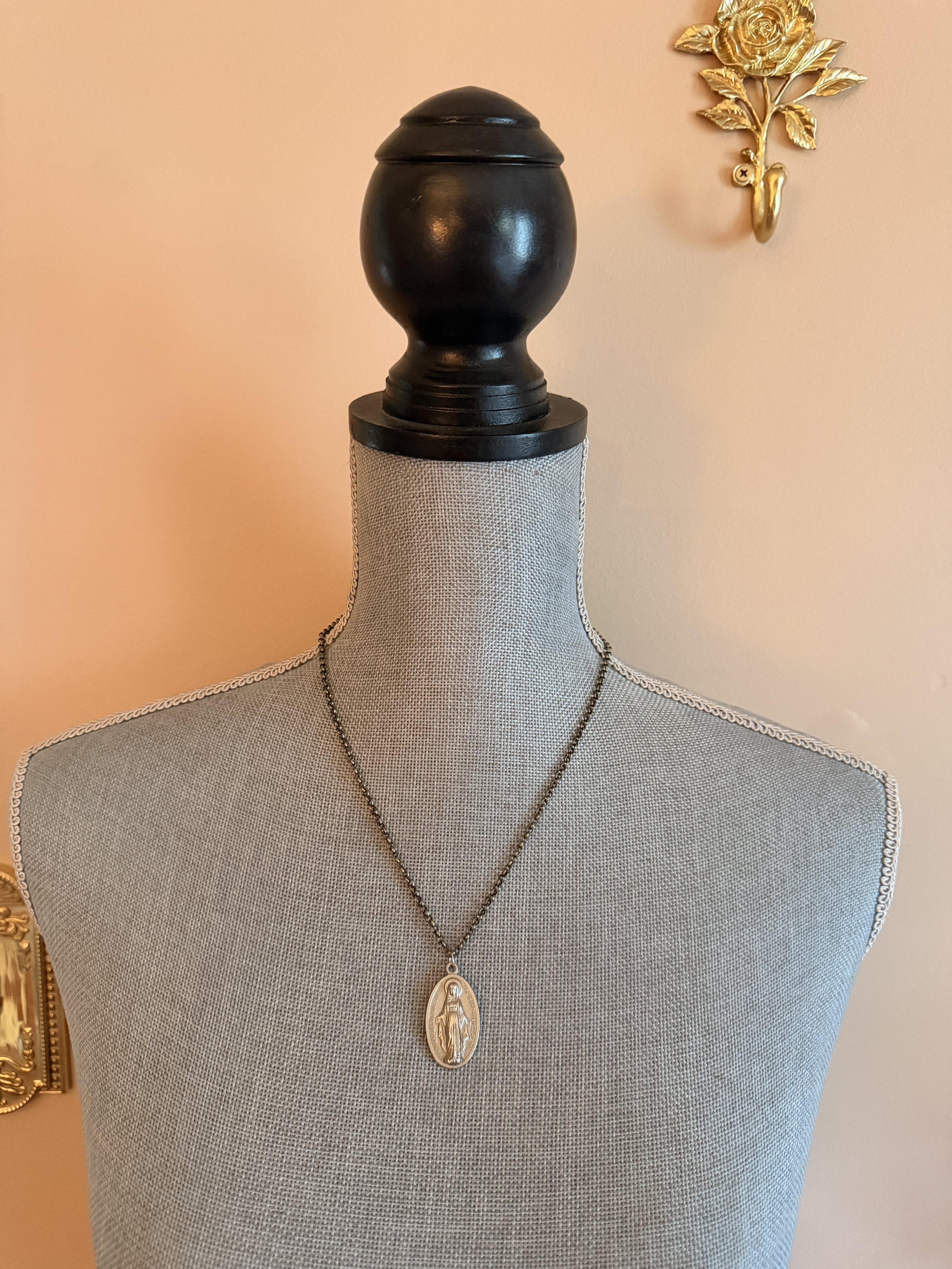
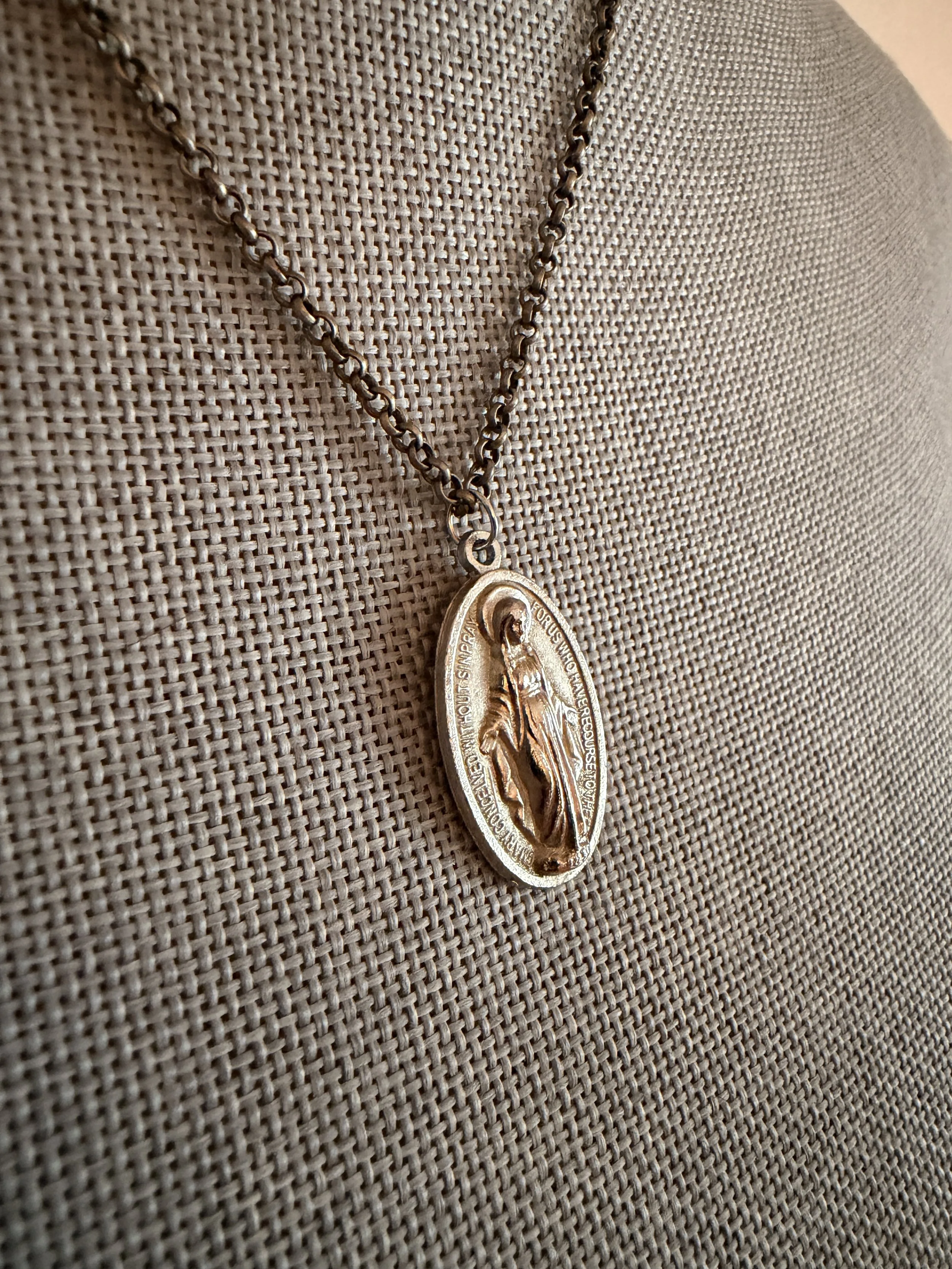
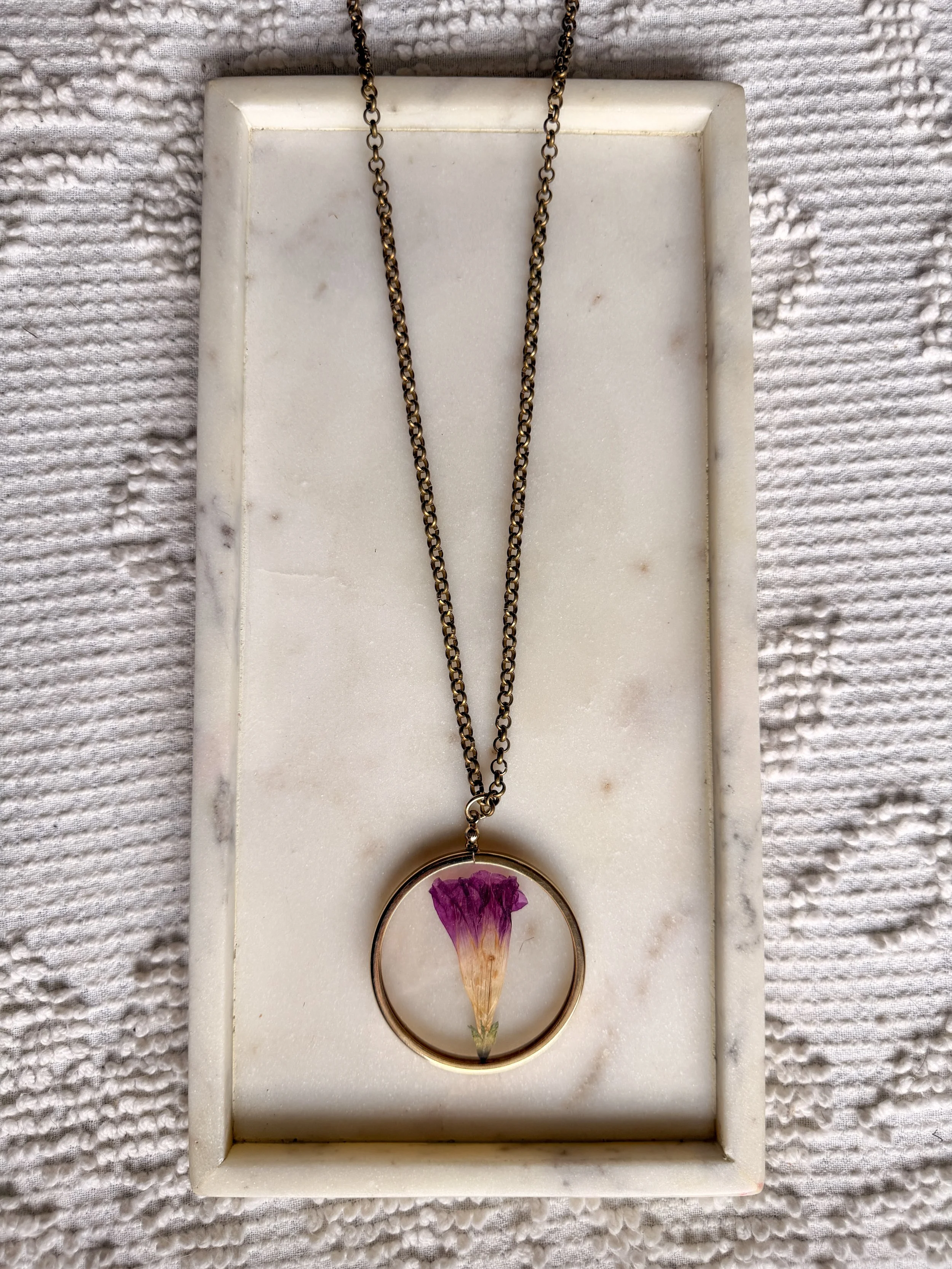
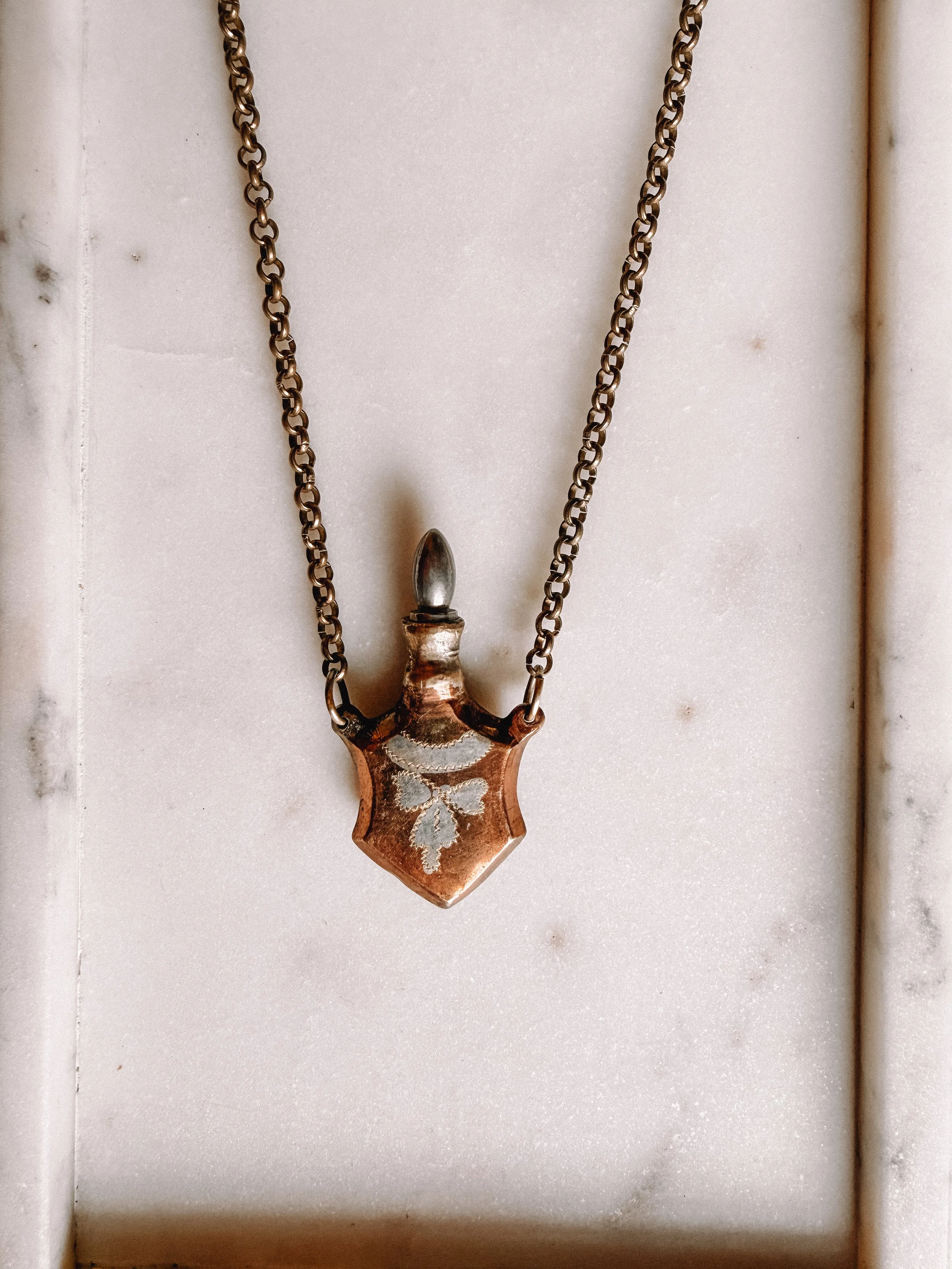
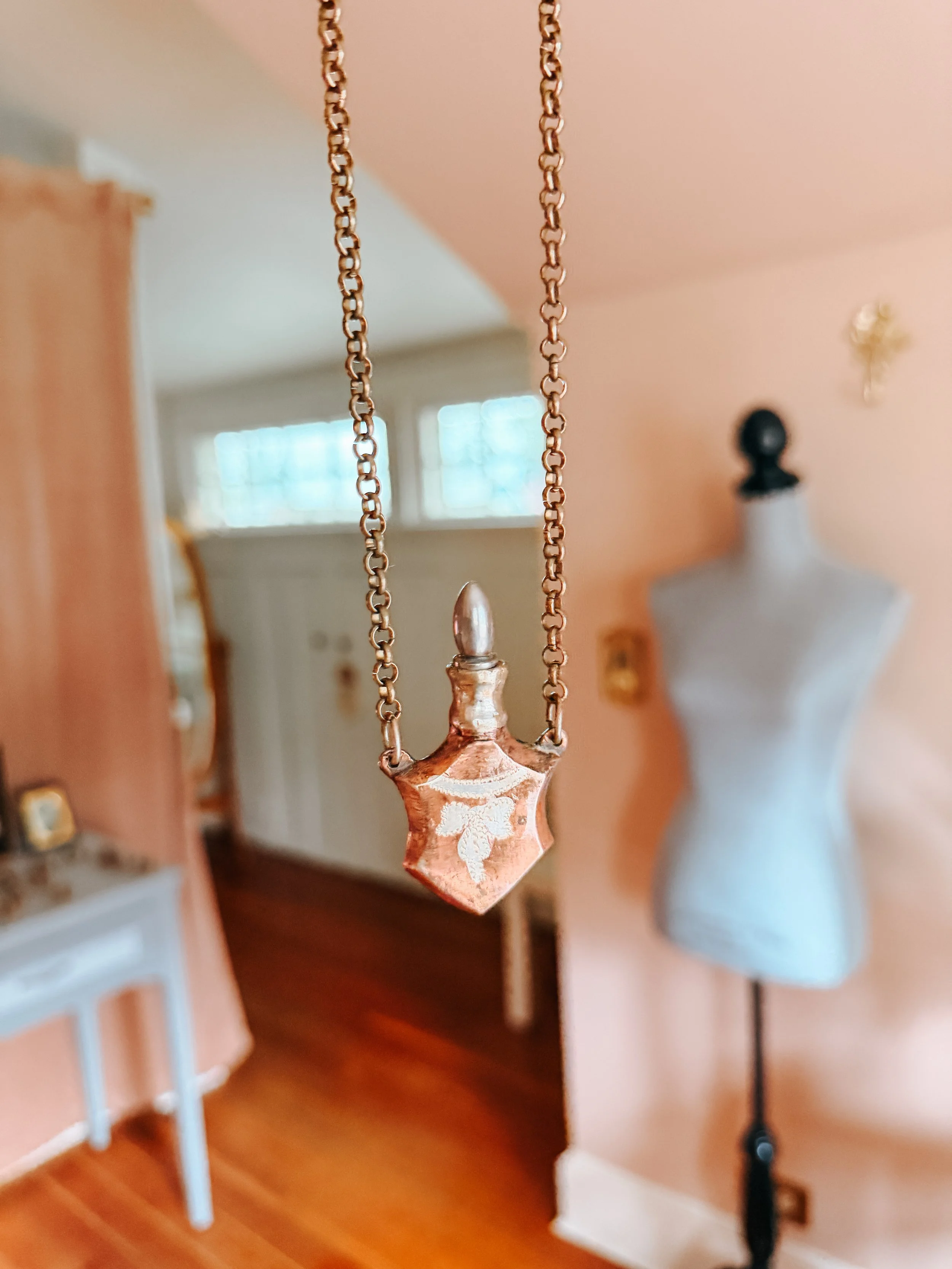
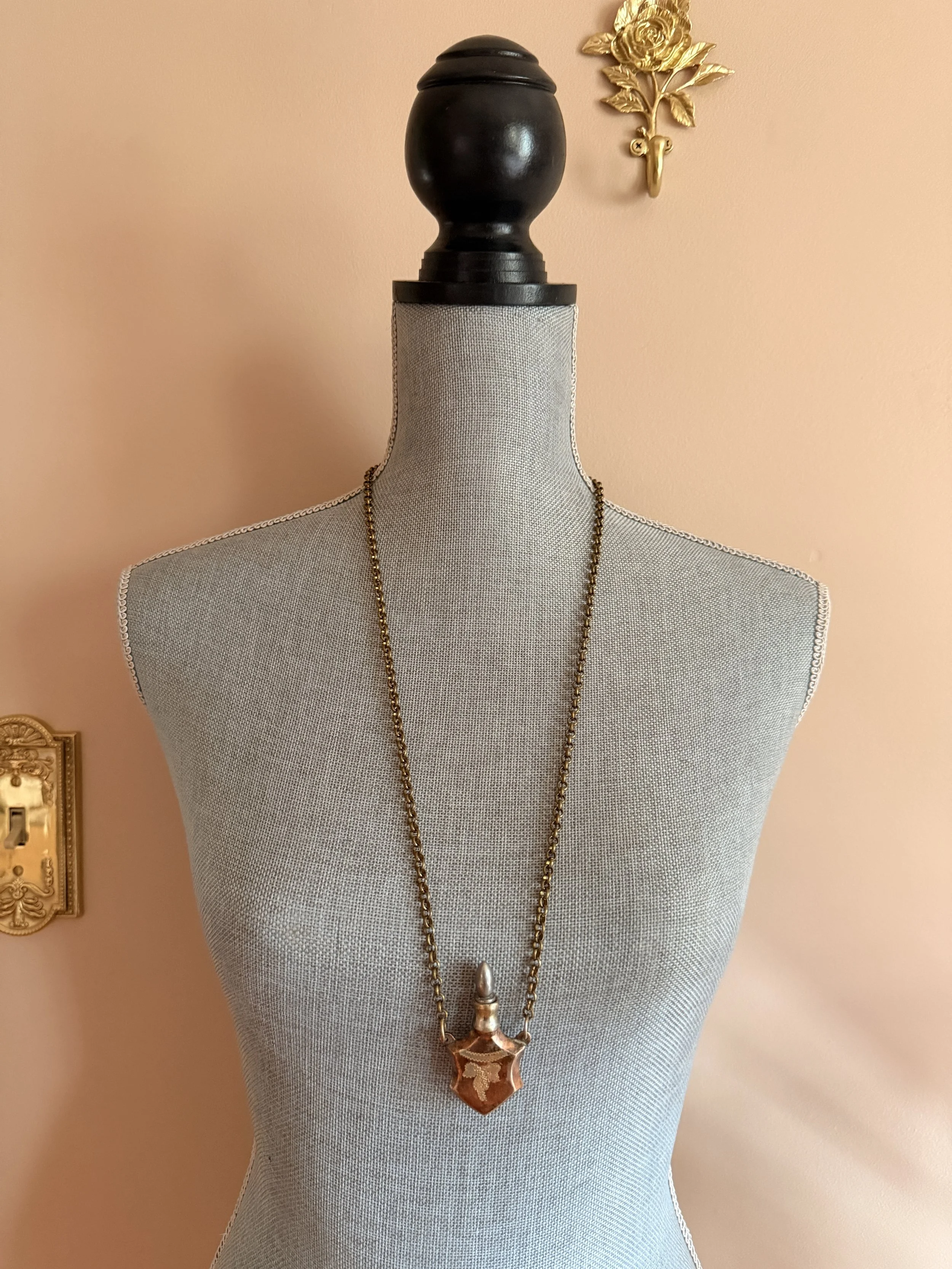
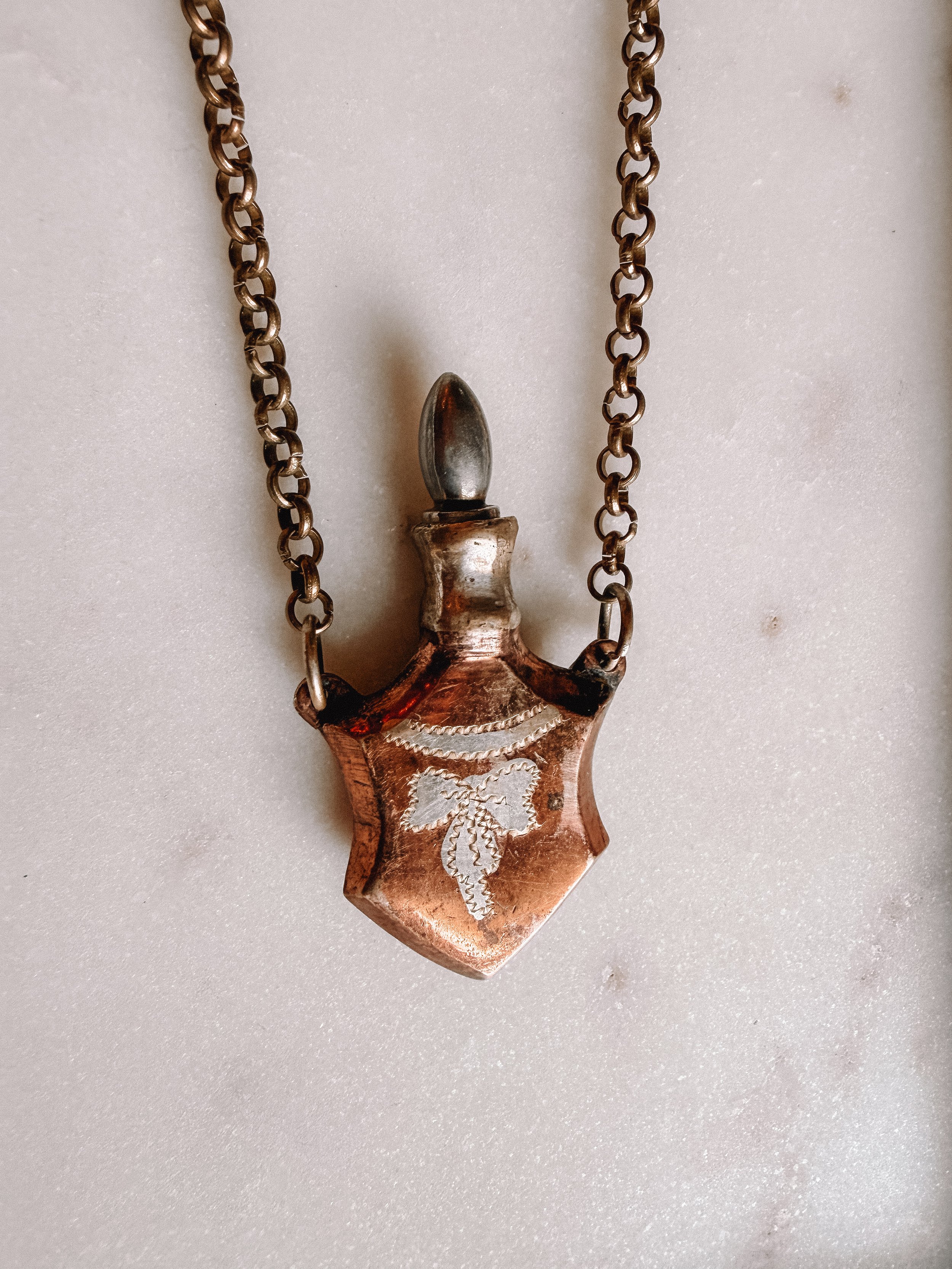
Vintage rectangle-shaped floral embossed brass and acrylic with tortoise/cheetah pattern pendant on vintage adjustable long chain. Gold tone chain measures approx. 30-33”.
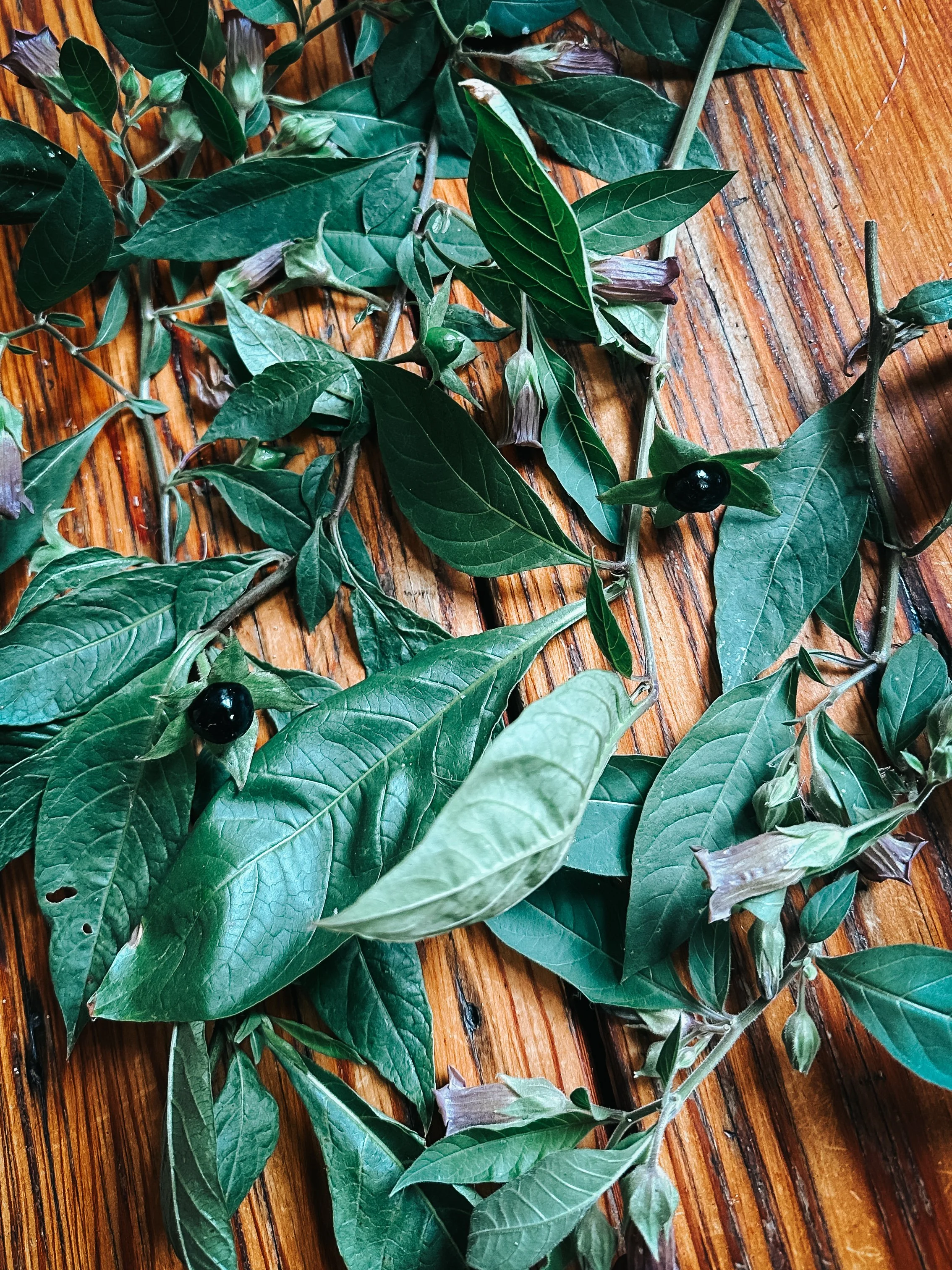
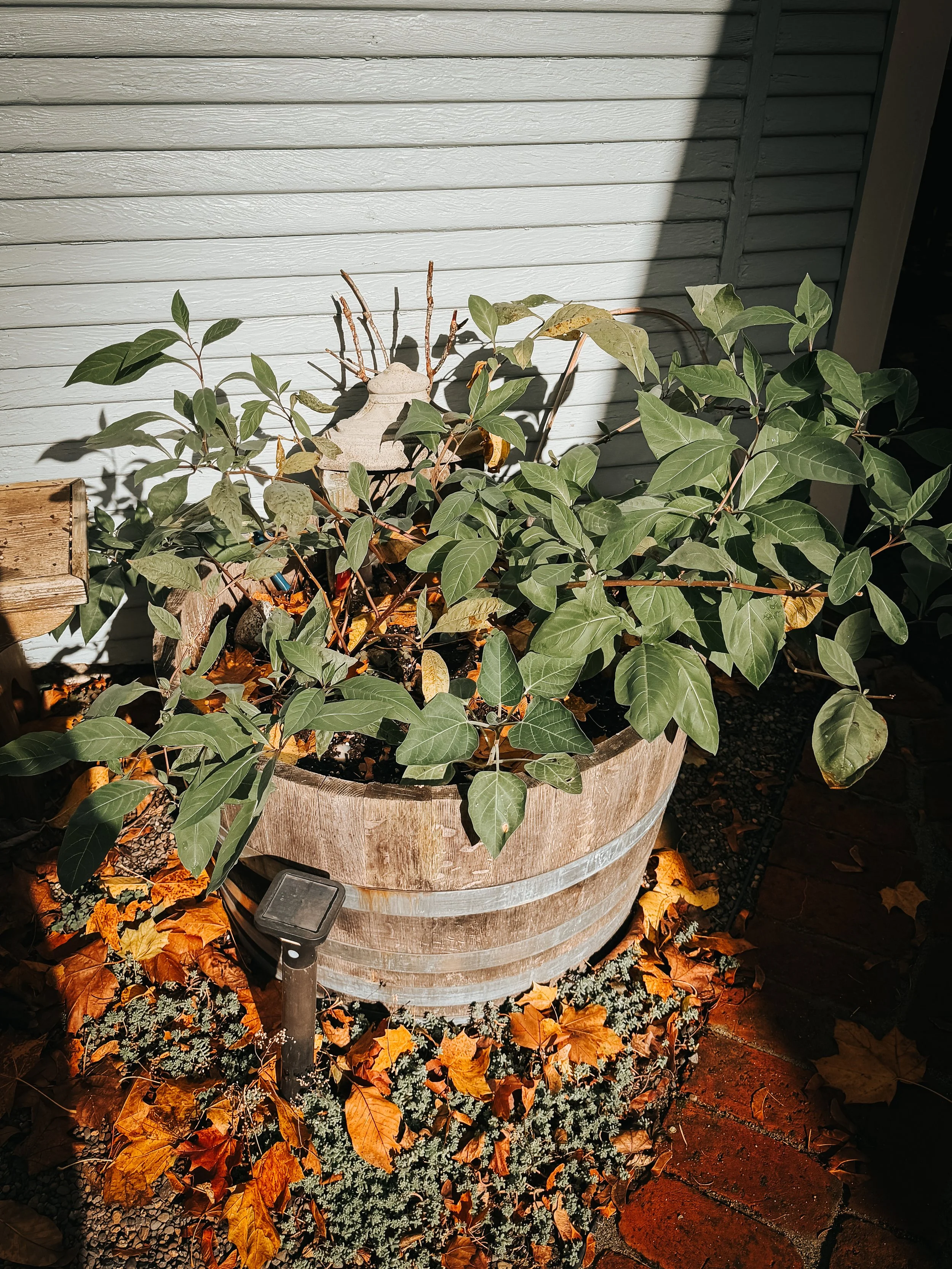
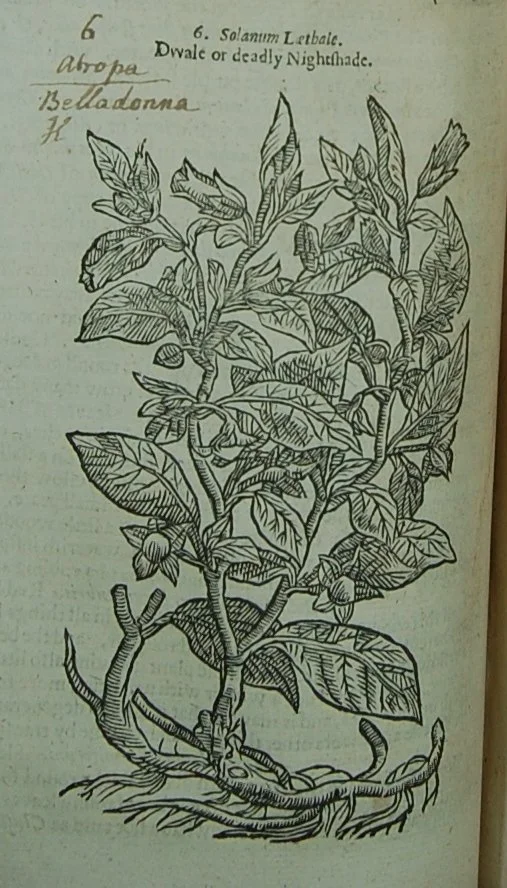
Contains henbane (Hyoscyamus niger) seeds, a poisonous plant in the nightshade family.
Seeds are viable and are not for human consumption. Do not purchase if amulet cannot be secured safely from children, pets, and other at-risk humans. Seeds are toxic and alkaloids are no joke.
Germanic and Norse peoples called the plant bilsa as Proto-Germanic bil meant "vision", "hallucination", "magical power", and "miraculous ability”.
Henbane is associated with:
trance
altered states: euphoria + delirium
prophecy
summoning
necromancy
divination
protection (especially from danger, travel, the night)
threshold crossing
sleep magic: rest, dreamwork, relief from suffering
For the nerds:
Henbane was originally used in continental Europe, Asia, and the Arab world, then spread to England in the Middle Ages.
Famously, henbane seeds were found in the Fyrkat grave of a 13th century völva (Norse seeress) in Denmark and in other Norse/Viking artifacts. A popular theory speculates henbane was used by the berserkers.
Henbane seeds were traditionally fumigated (used in incense, burned on coals, etc.) as the tropane alkaloids were able to be inhaled, causing sensations of flight, sedation, and anesthetization. It is anti-emetic, used for toothaches, and was a popular ingredient in beer. By the middle ages henbane was strongly associated with witchcraft, and has been feared ever since. Its name derives from the likely use of smoking out the chicken coop to make hen theft easier. The bane of hens!
Vintage rectangle-shaped floral embossed brass and acrylic with tortoise/cheetah pattern pendant on vintage adjustable long chain. Gold tone chain measures approx. 30-33”.
Contains henbane (Hyoscyamus niger) seeds, a poisonous plant in the nightshade family.
Seeds are viable and are not for human consumption. Do not purchase if amulet cannot be secured safely from children, pets, and other at-risk humans. Seeds are toxic and alkaloids are no joke.
Germanic and Norse peoples called the plant bilsa as Proto-Germanic bil meant "vision", "hallucination", "magical power", and "miraculous ability”.
Henbane is associated with:
trance
altered states: euphoria + delirium
prophecy
summoning
necromancy
divination
protection (especially from danger, travel, the night)
threshold crossing
sleep magic: rest, dreamwork, relief from suffering
For the nerds:
Henbane was originally used in continental Europe, Asia, and the Arab world, then spread to England in the Middle Ages.
Famously, henbane seeds were found in the Fyrkat grave of a 13th century völva (Norse seeress) in Denmark and in other Norse/Viking artifacts. A popular theory speculates henbane was used by the berserkers.
Henbane seeds were traditionally fumigated (used in incense, burned on coals, etc.) as the tropane alkaloids were able to be inhaled, causing sensations of flight, sedation, and anesthetization. It is anti-emetic, used for toothaches, and was a popular ingredient in beer. By the middle ages henbane was strongly associated with witchcraft, and has been feared ever since. Its name derives from the likely use of smoking out the chicken coop to make hen theft easier. The bane of hens!
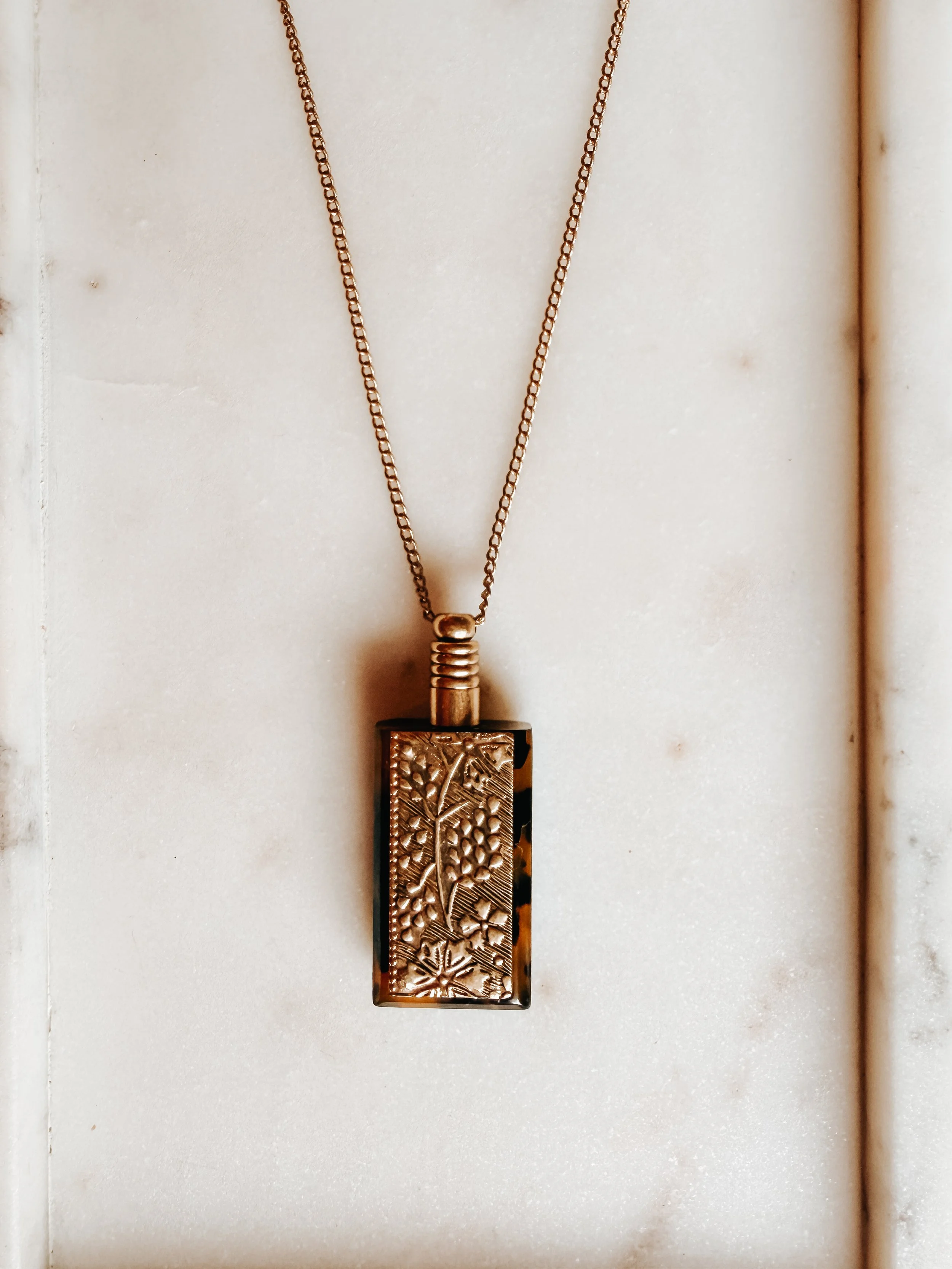 Image 1 of 11
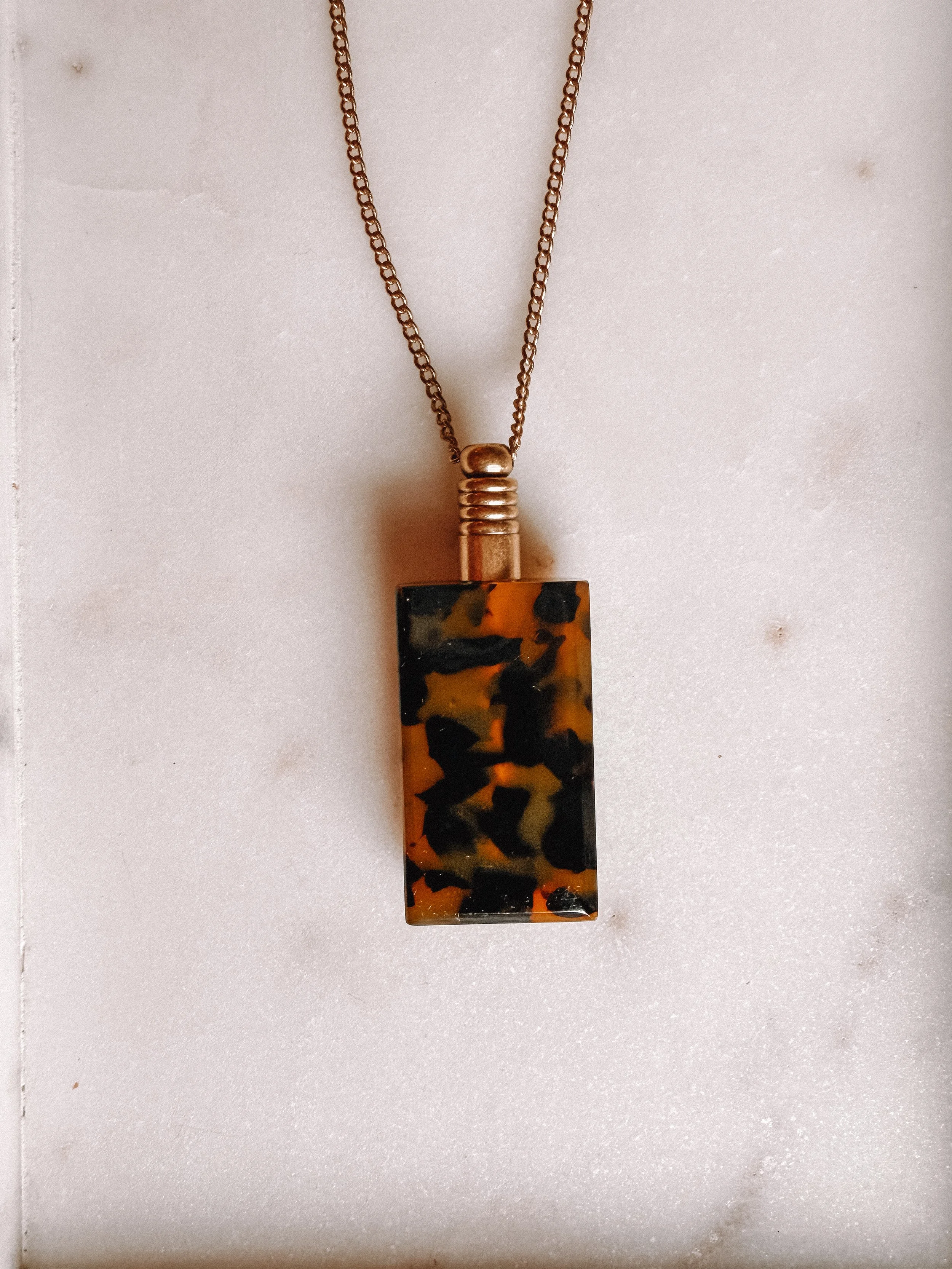 Image 2 of 11
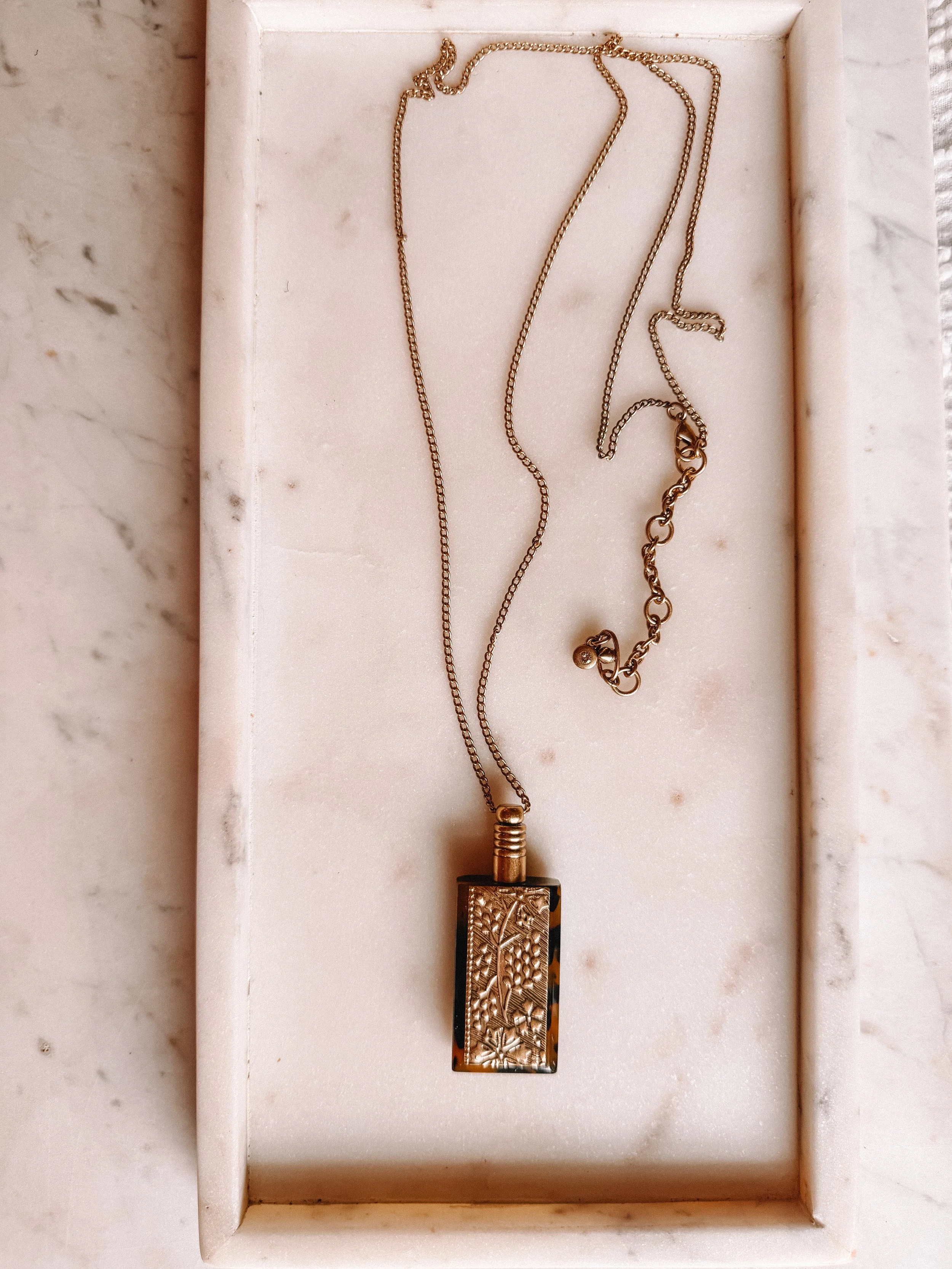 Image 3 of 11
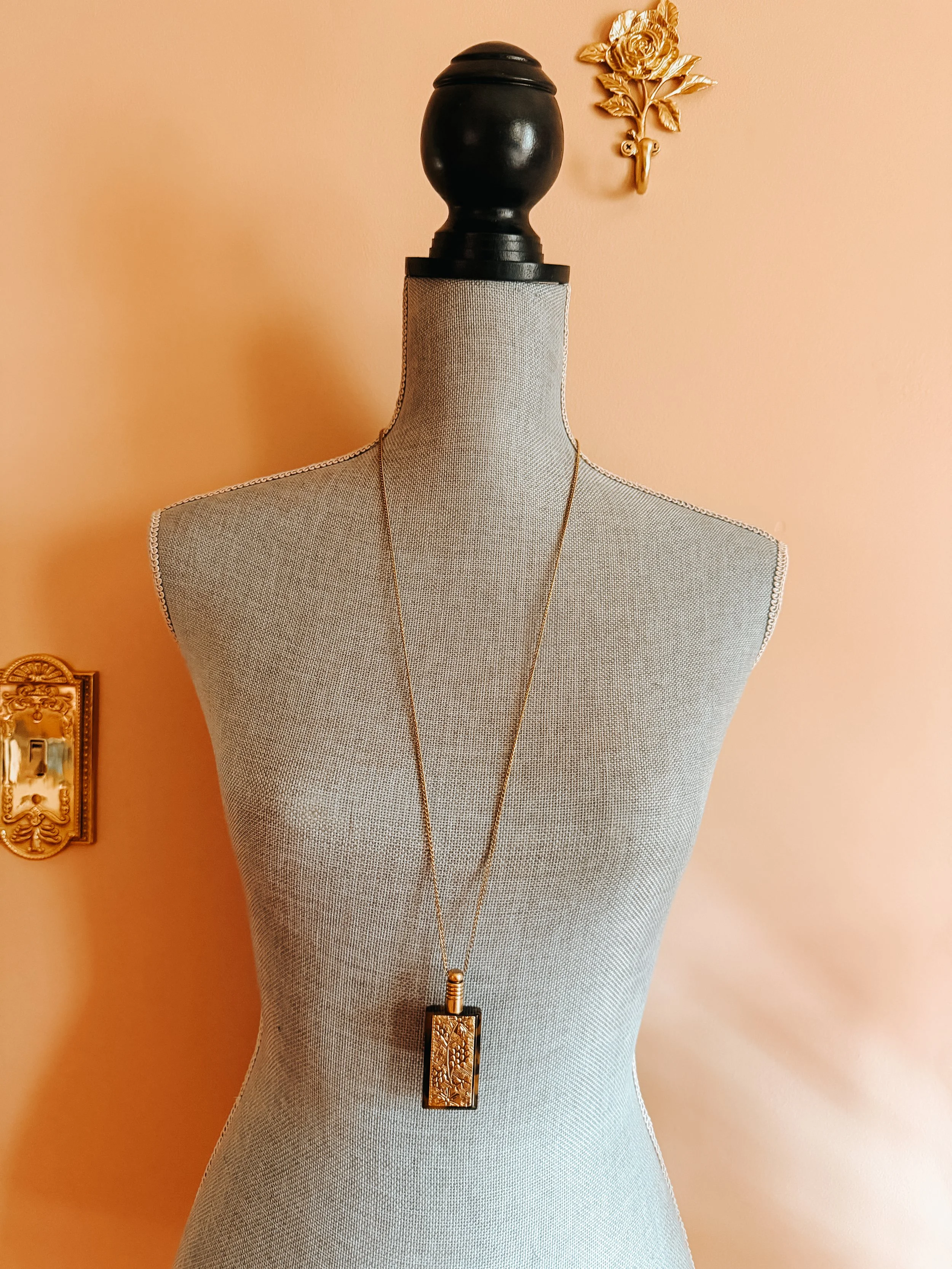 Image 4 of 11
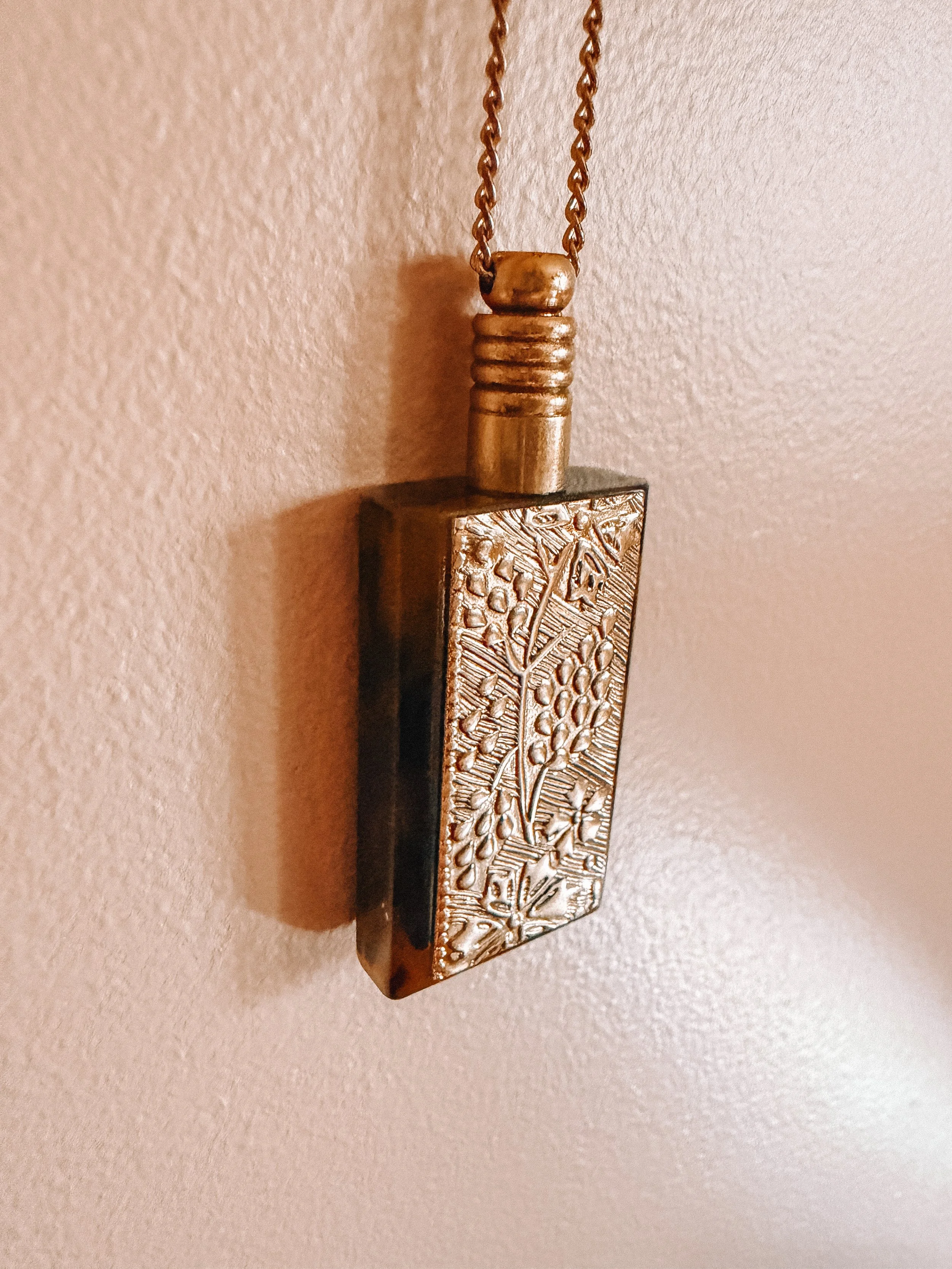 Image 5 of 11
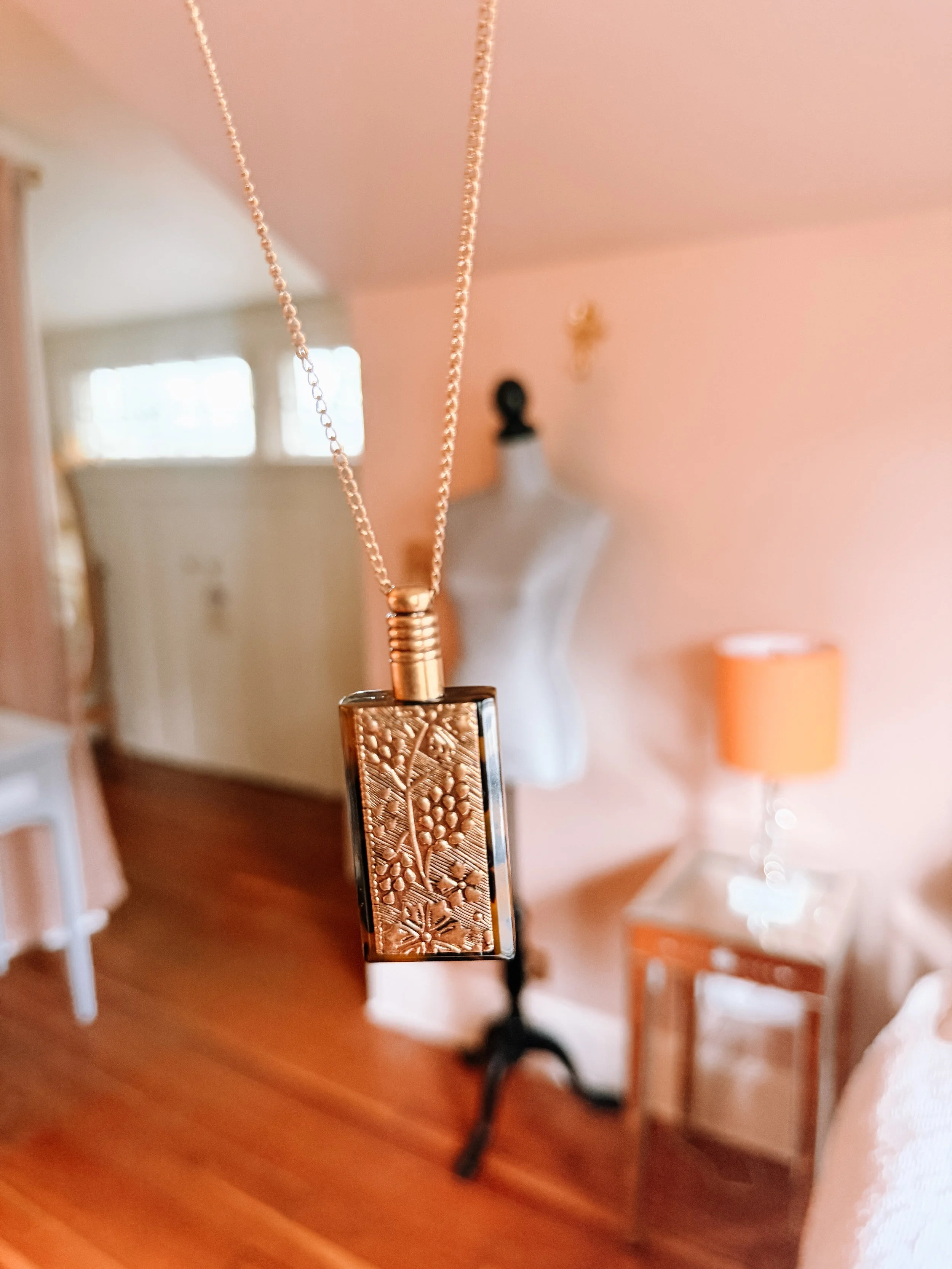 Image 6 of 11
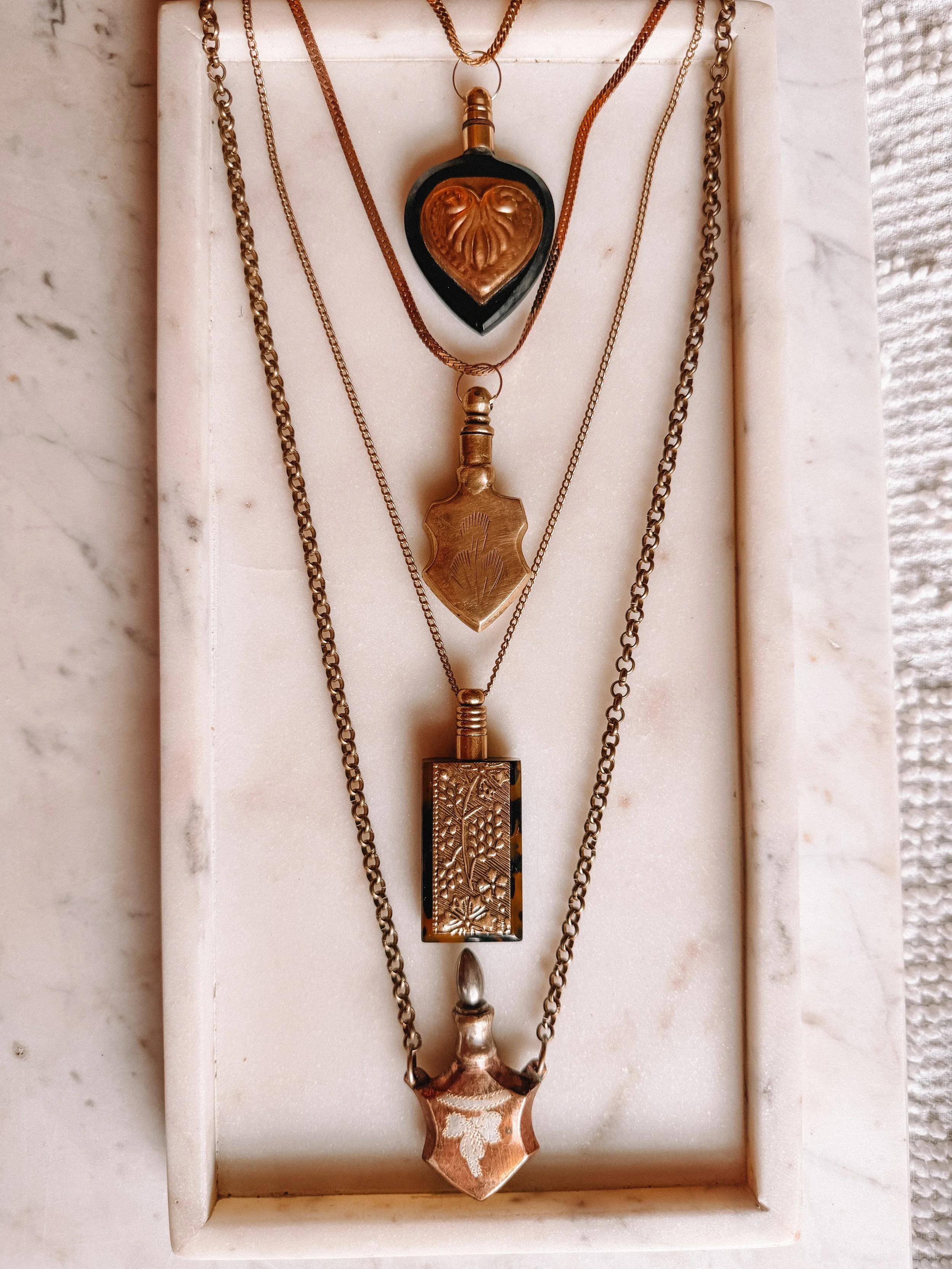 Image 7 of 11
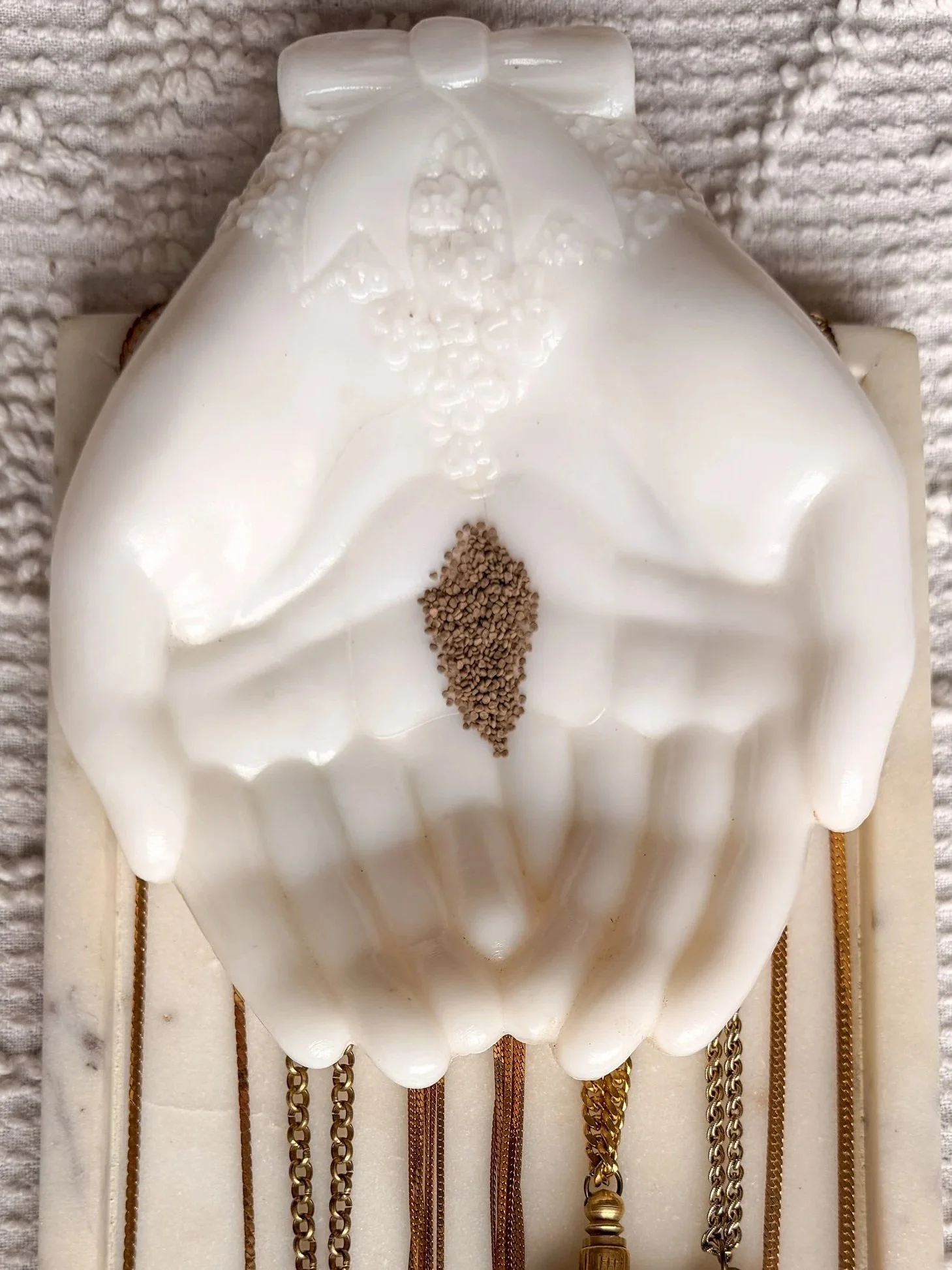 Image 8 of 11
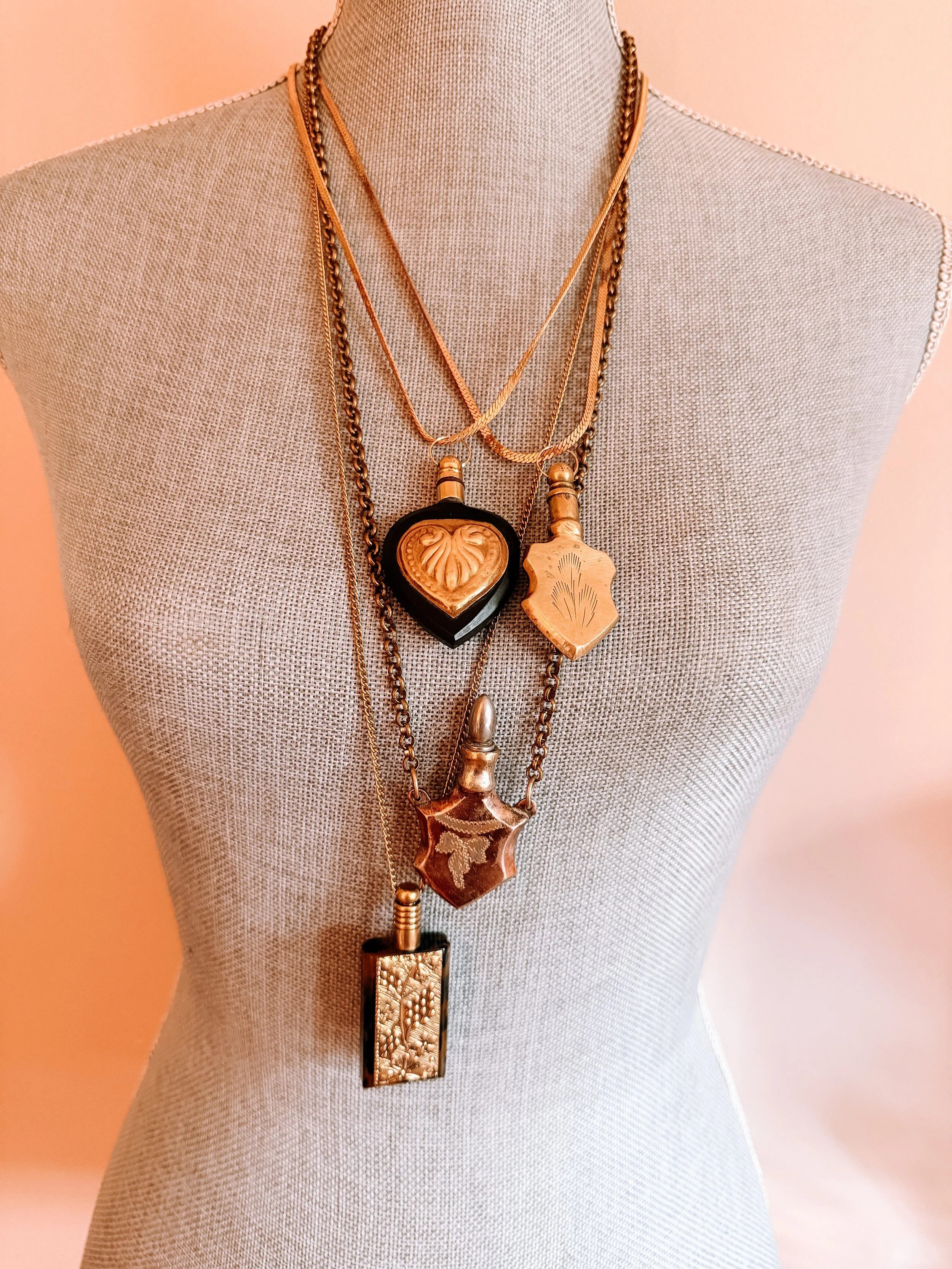 Image 9 of 11
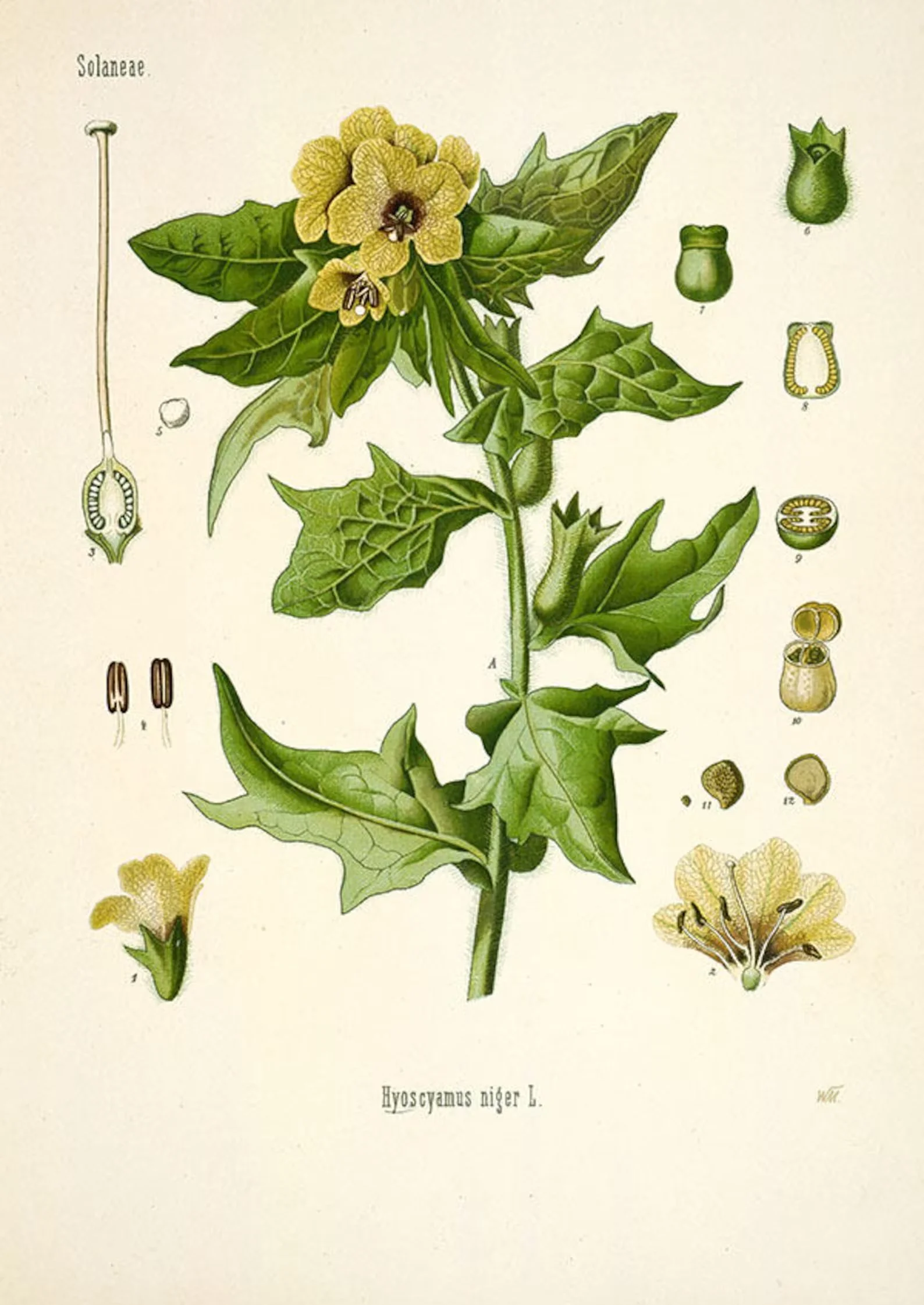 Image 10 of 11
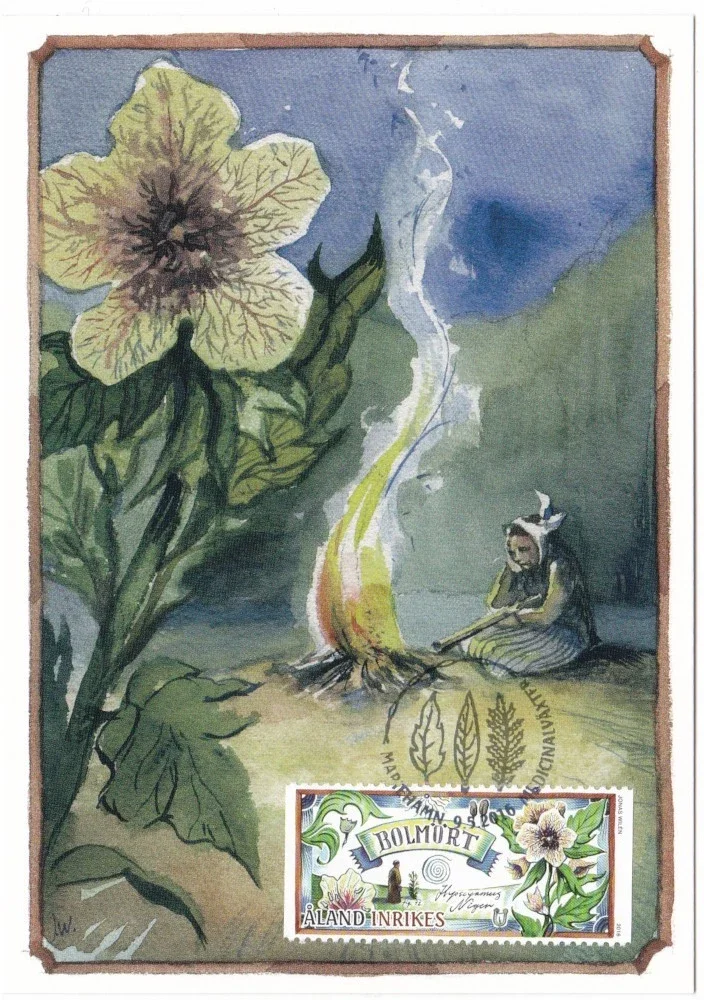 Image 11 of 11