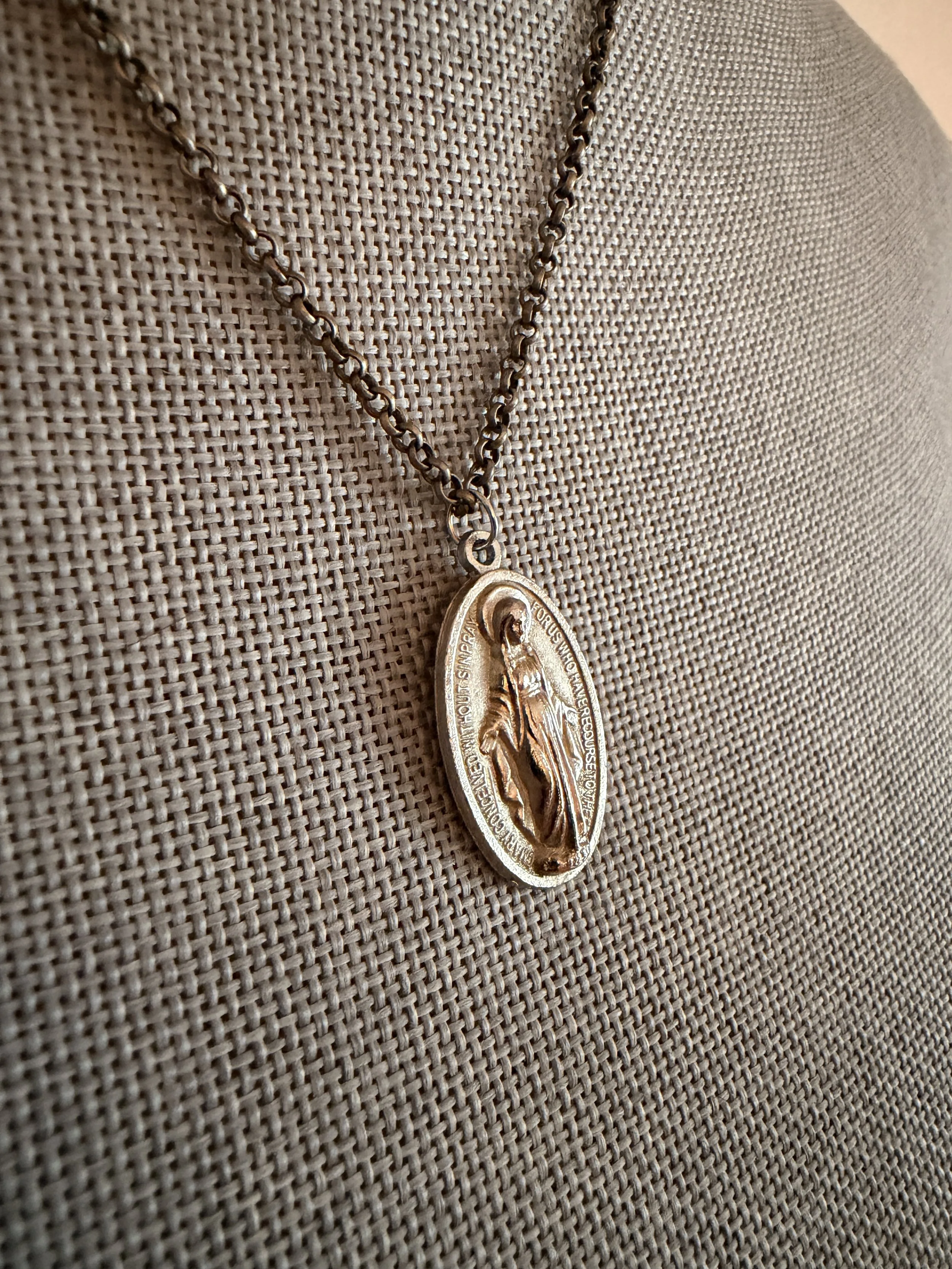
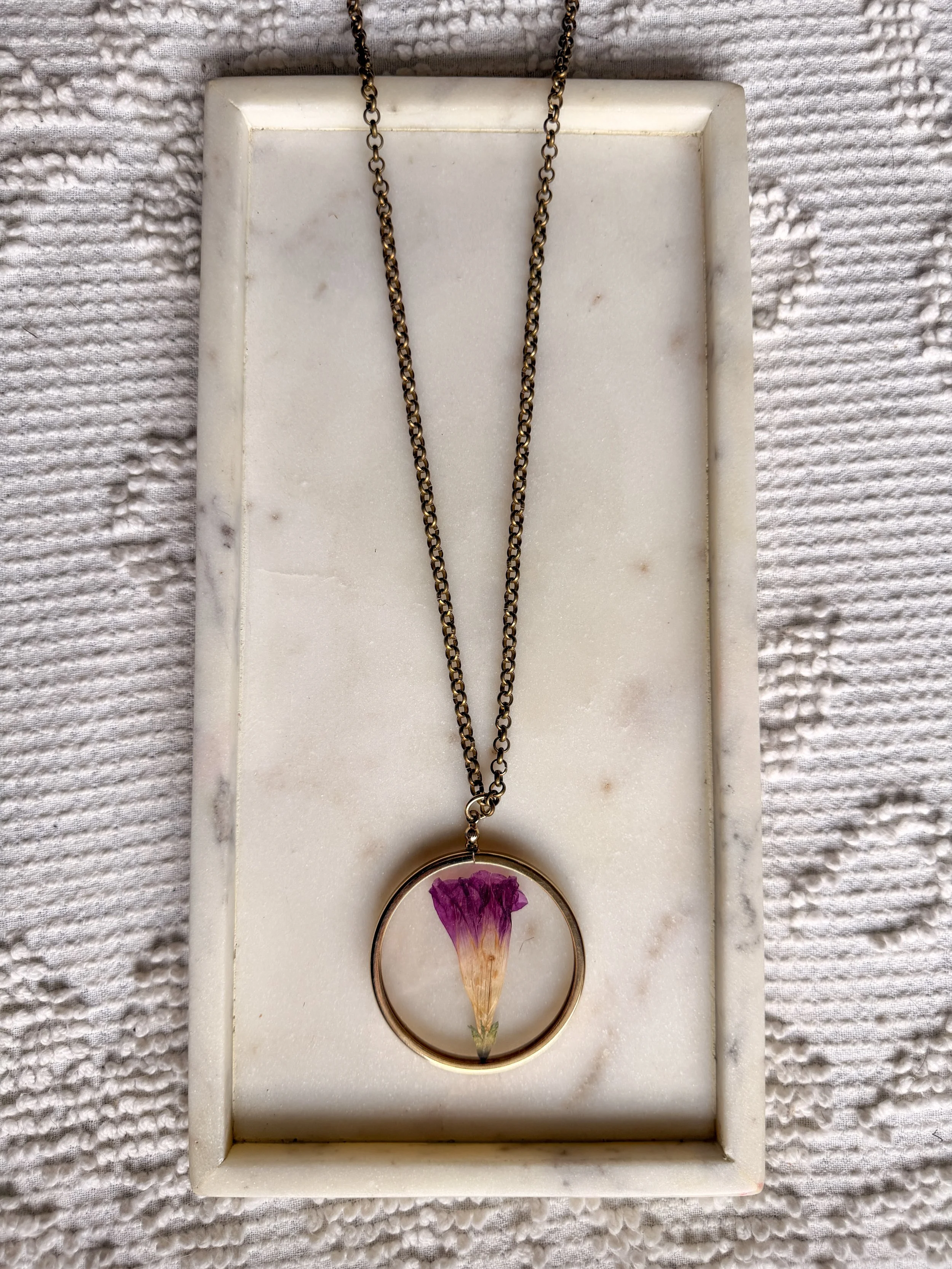
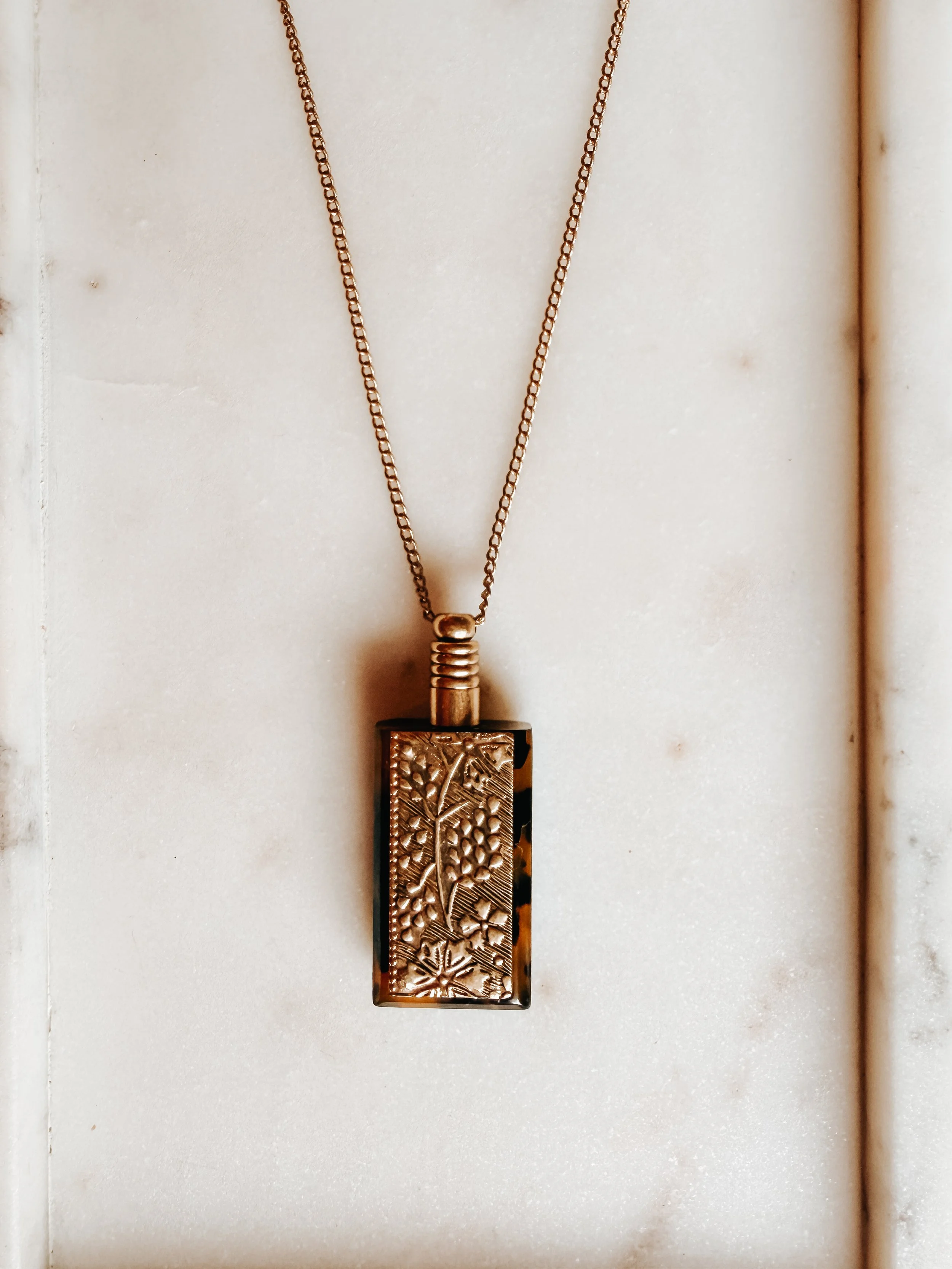
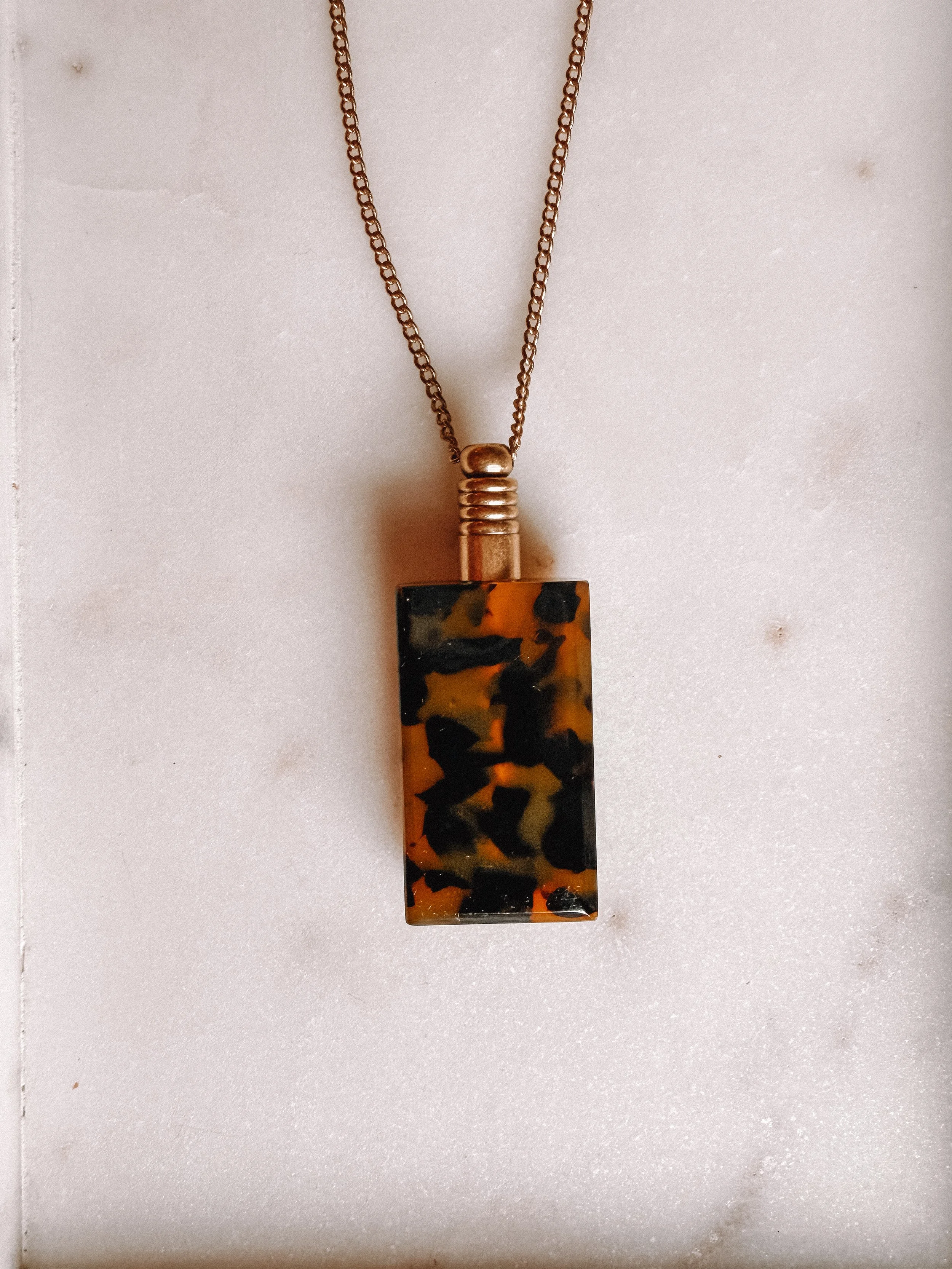
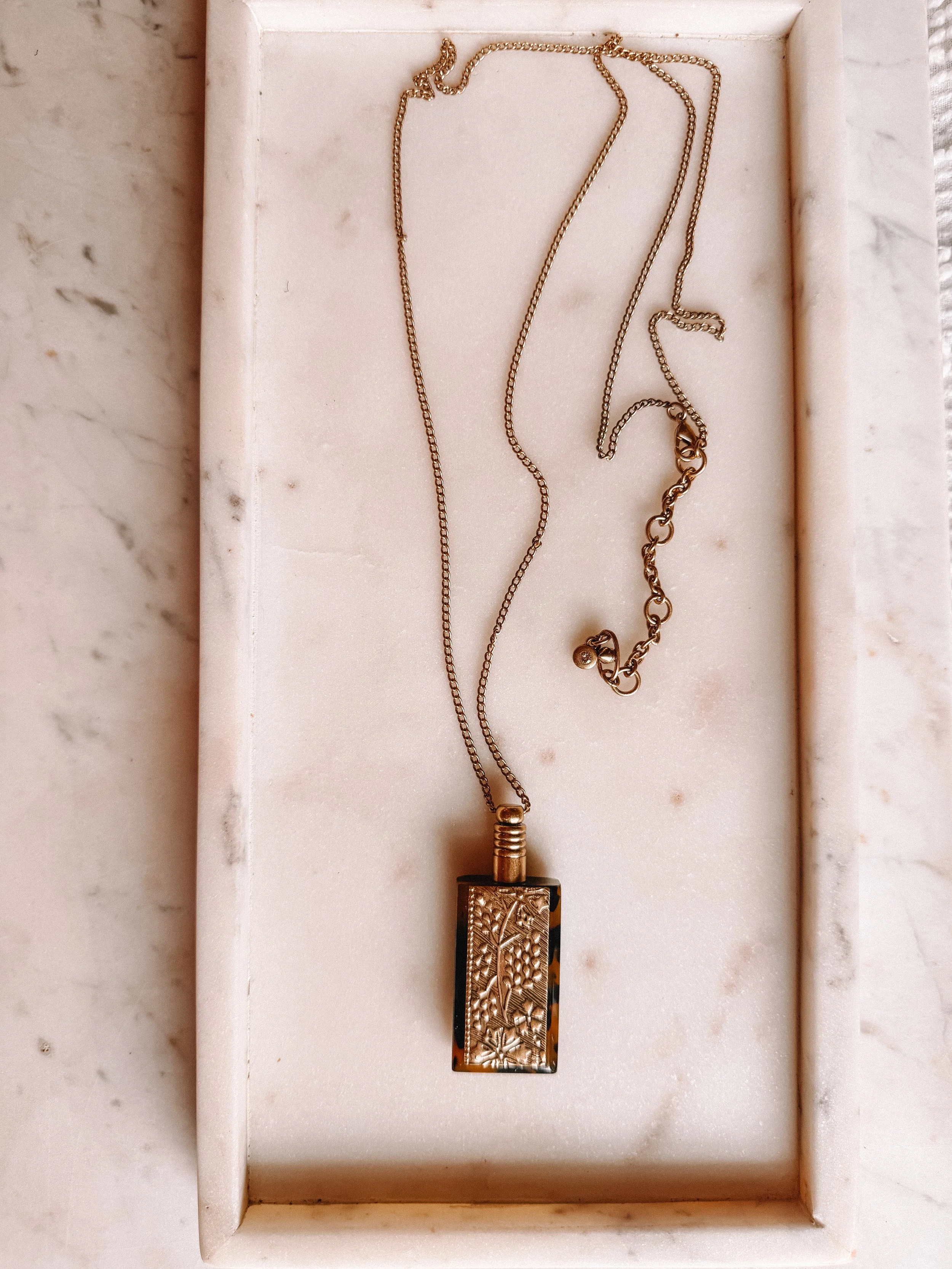
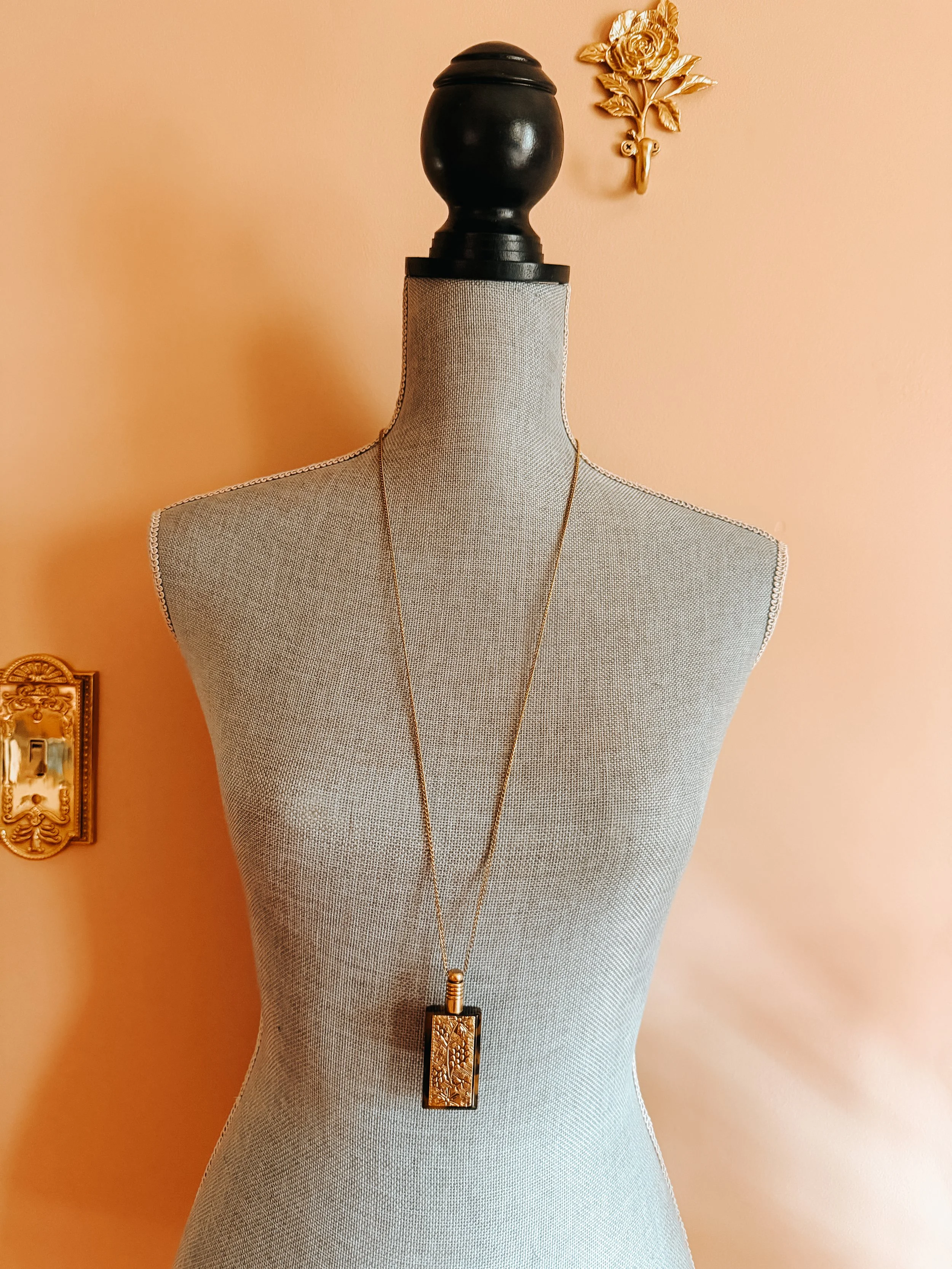
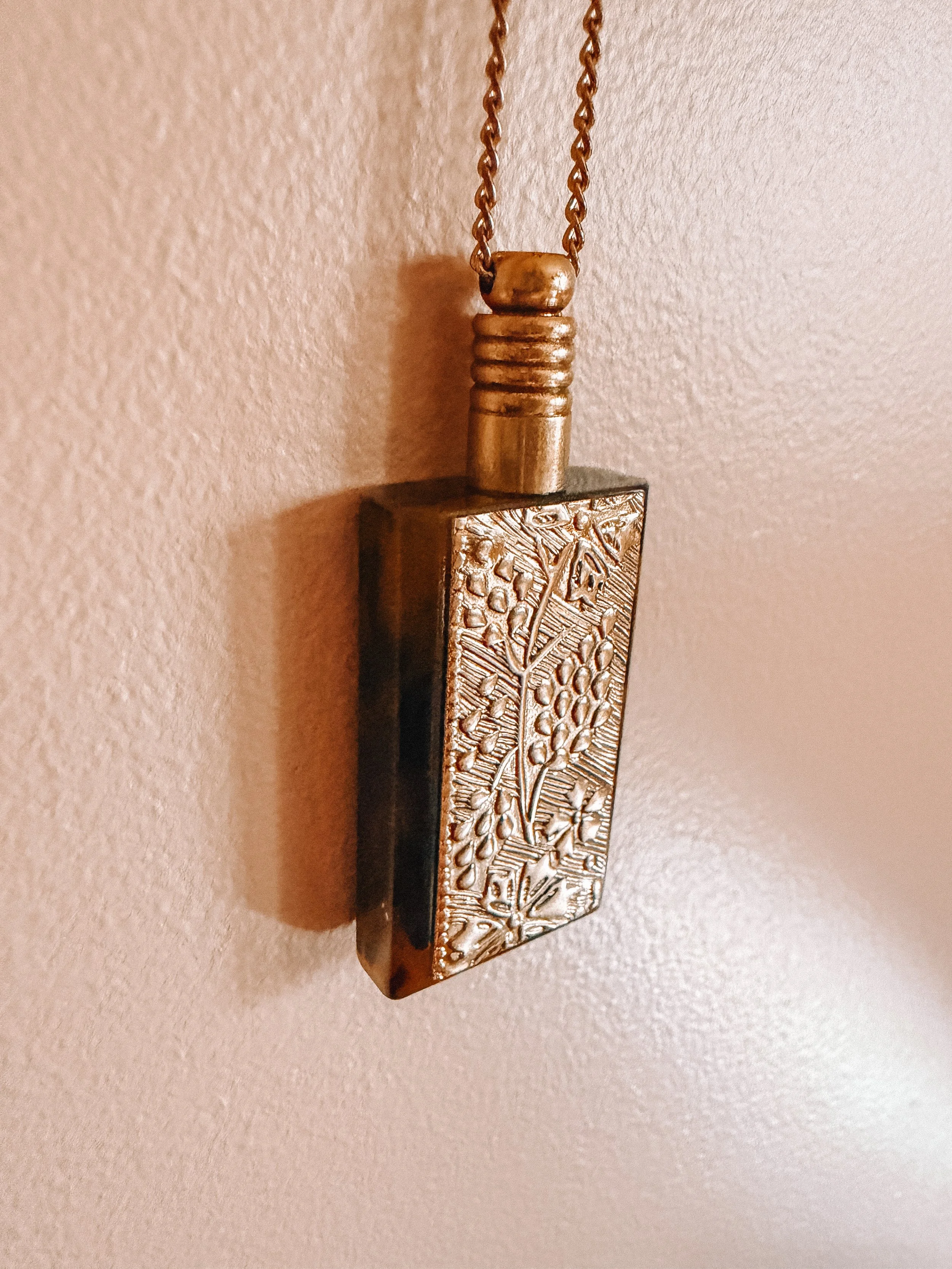
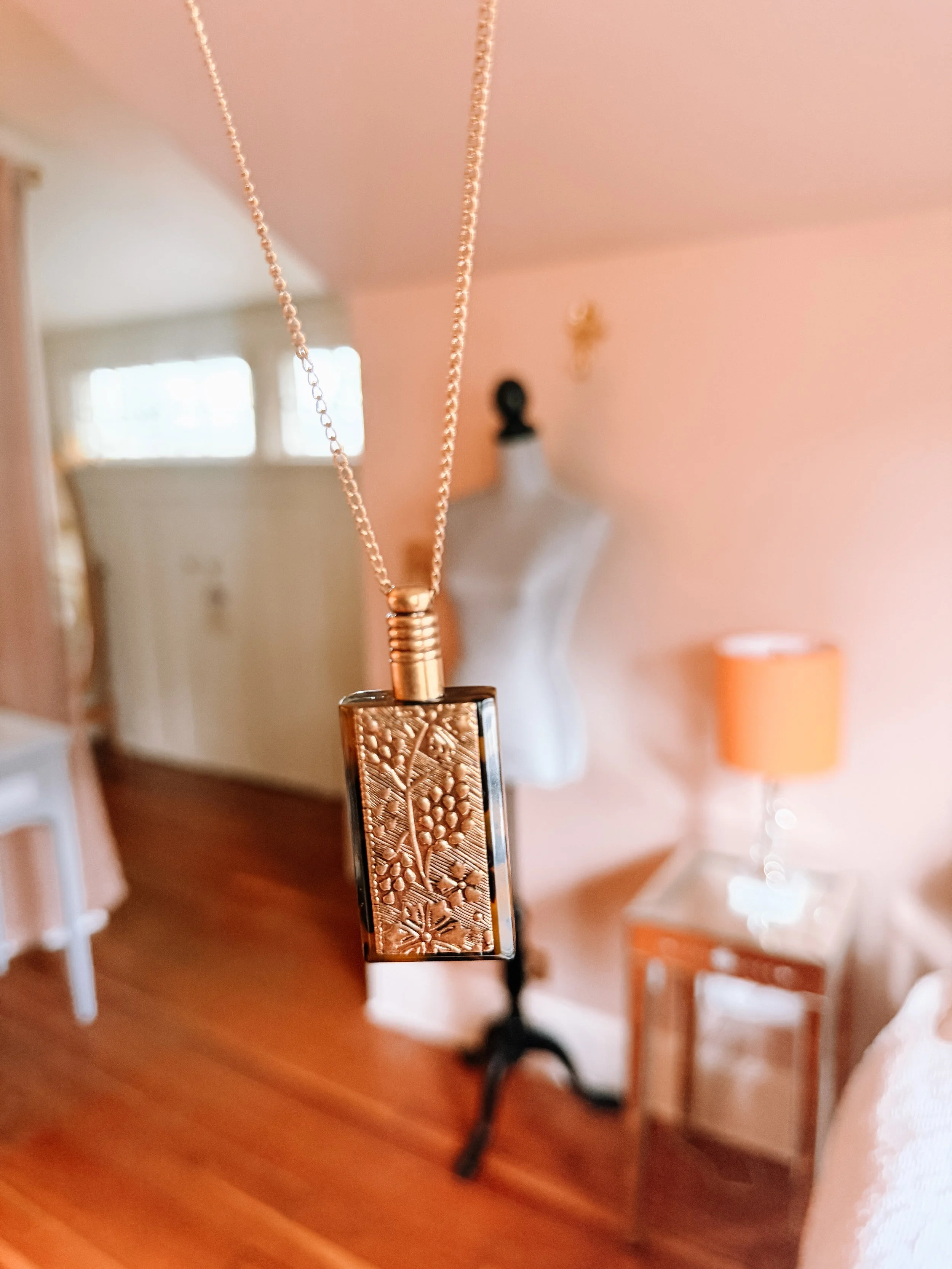
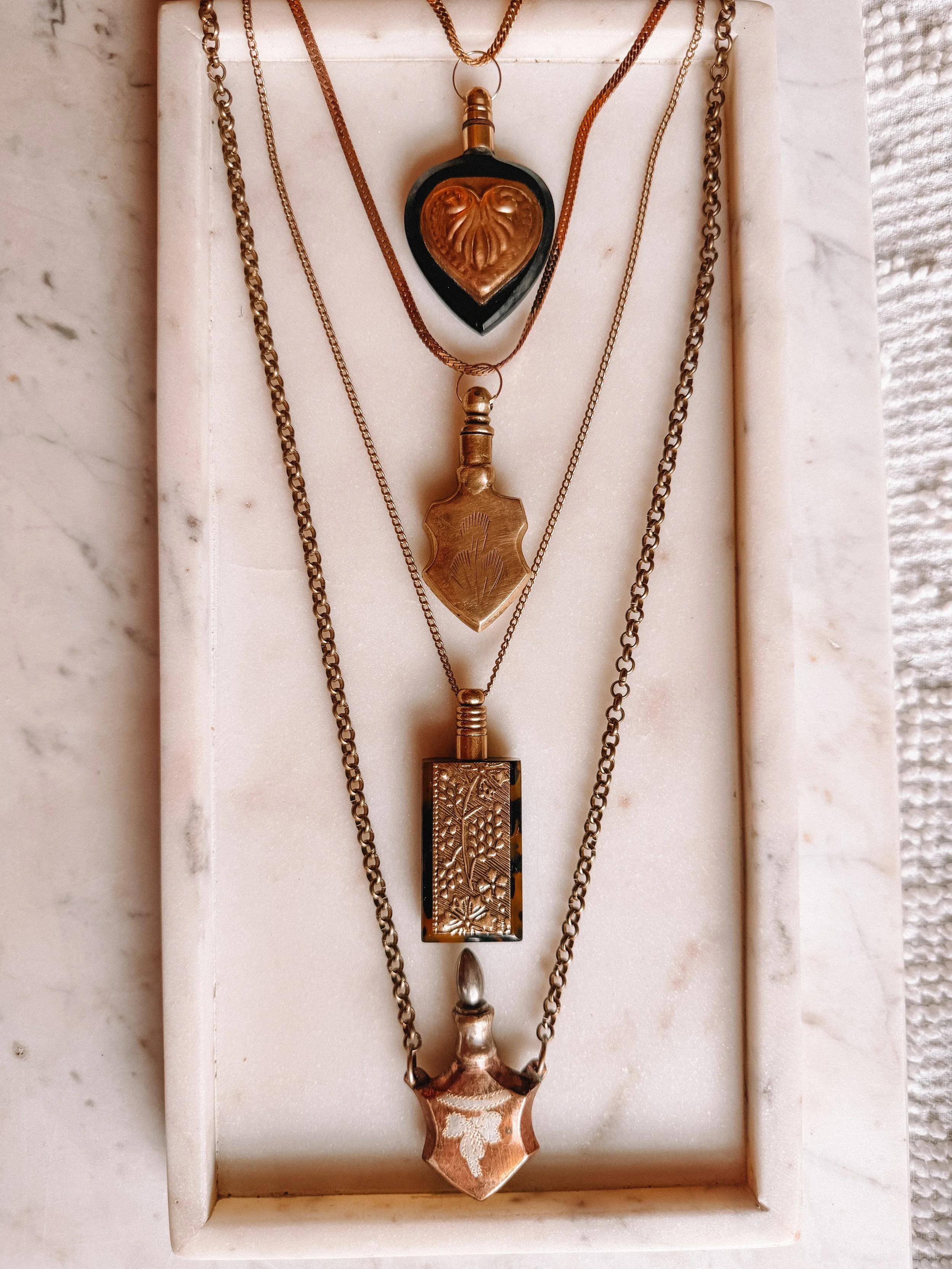
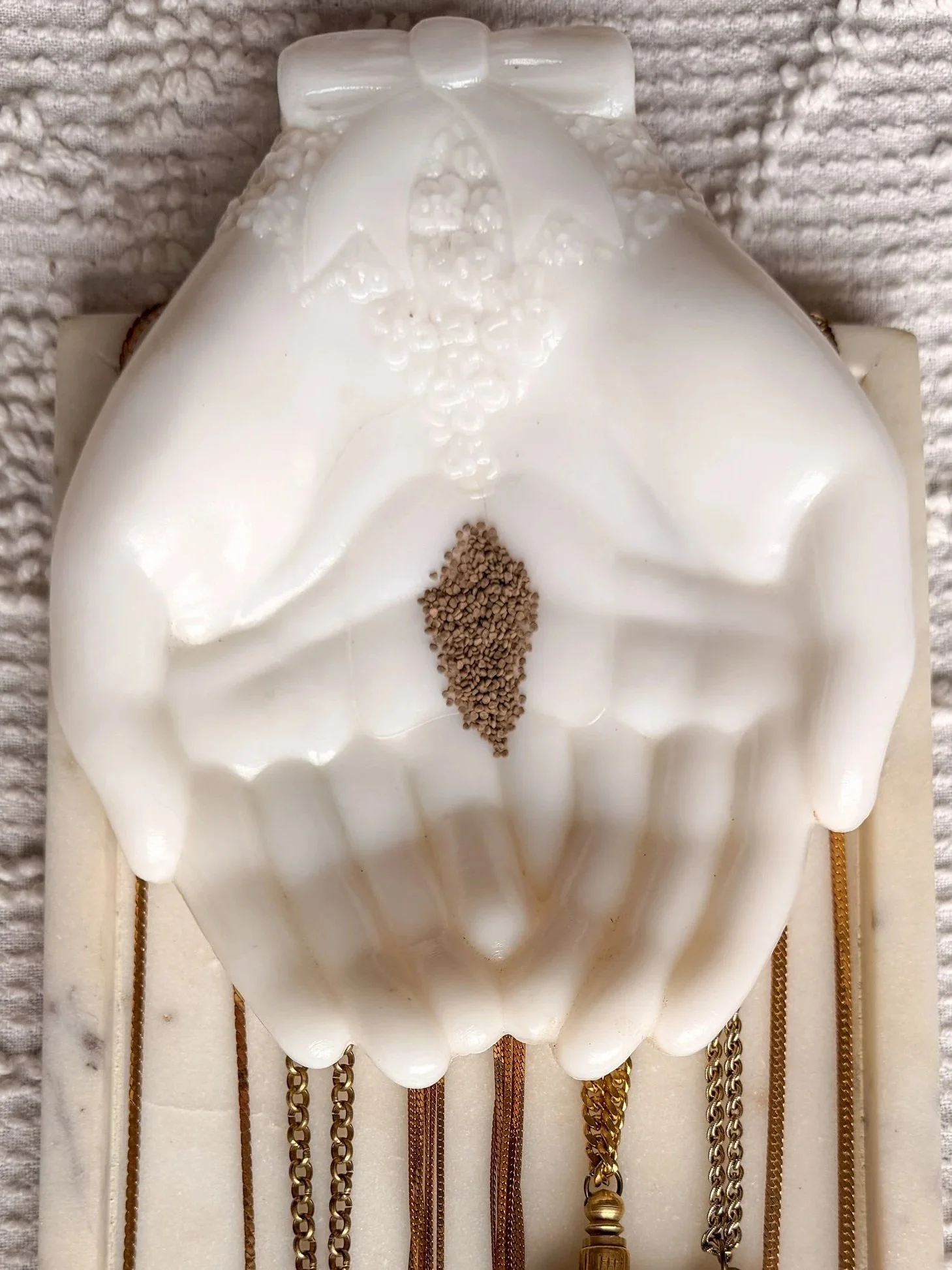
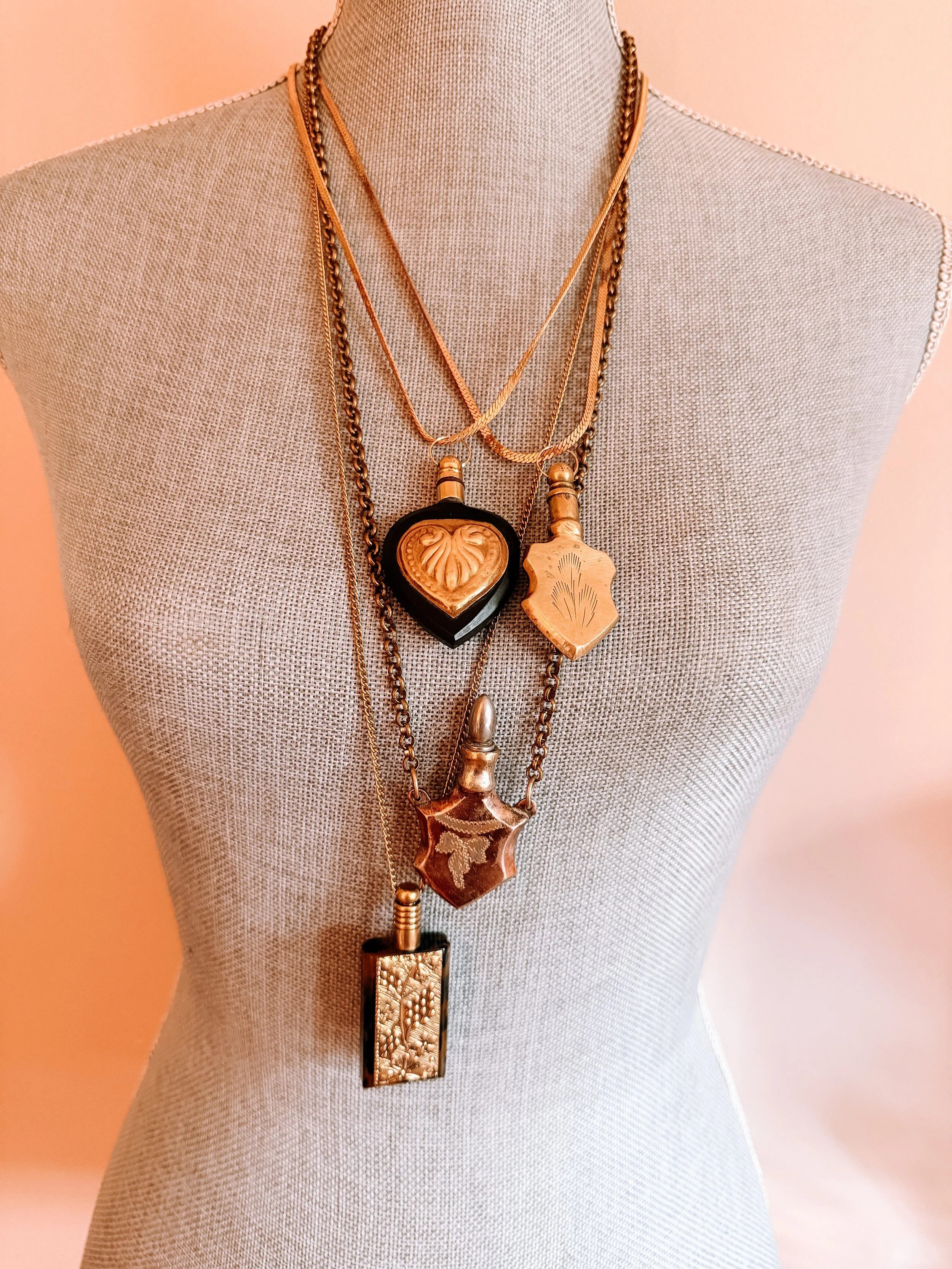
Vintage brass fish amulet on vintage multi-chain in a gold-copper tone. Chain measures approx 30”. Stopper has an Arabic engraving likely saying “Allah.” Fish pendants like these were a popular souvenir from the Arab world .
Relevant to those (like me) with Scandinavian ancestry, Viking-Age Scandinavia was deeply connected to eastern trade networks and the Abbasid Caliphate. Archaeologists have discovered Arabic silver coins (dirhams) worn as pendants, Islamic silk, belts with stylized Kufic, and a ring from Birka engraved with the word “Allah,” reflecting the cultural exchange between Norse traders and the Muslim world.
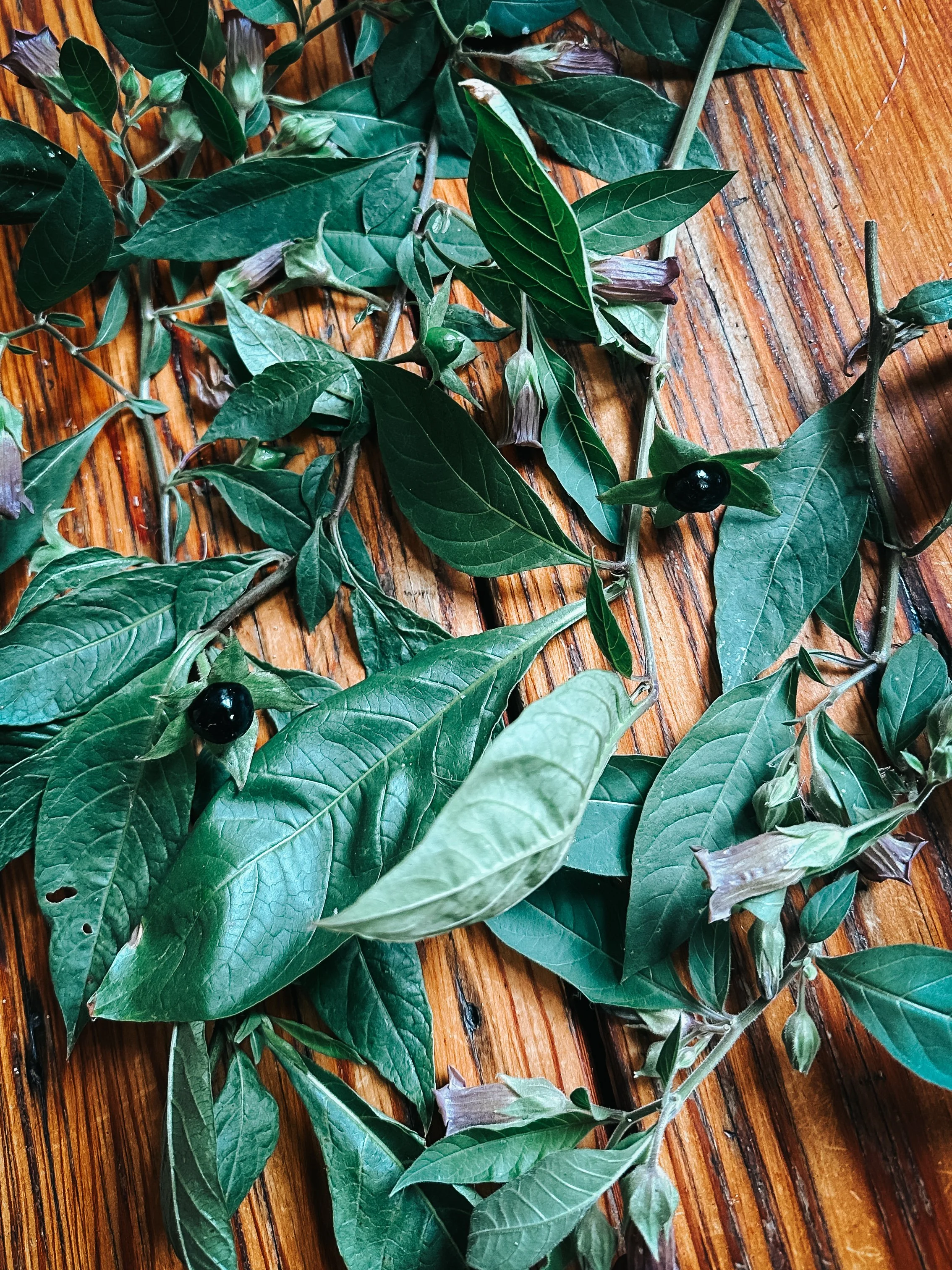
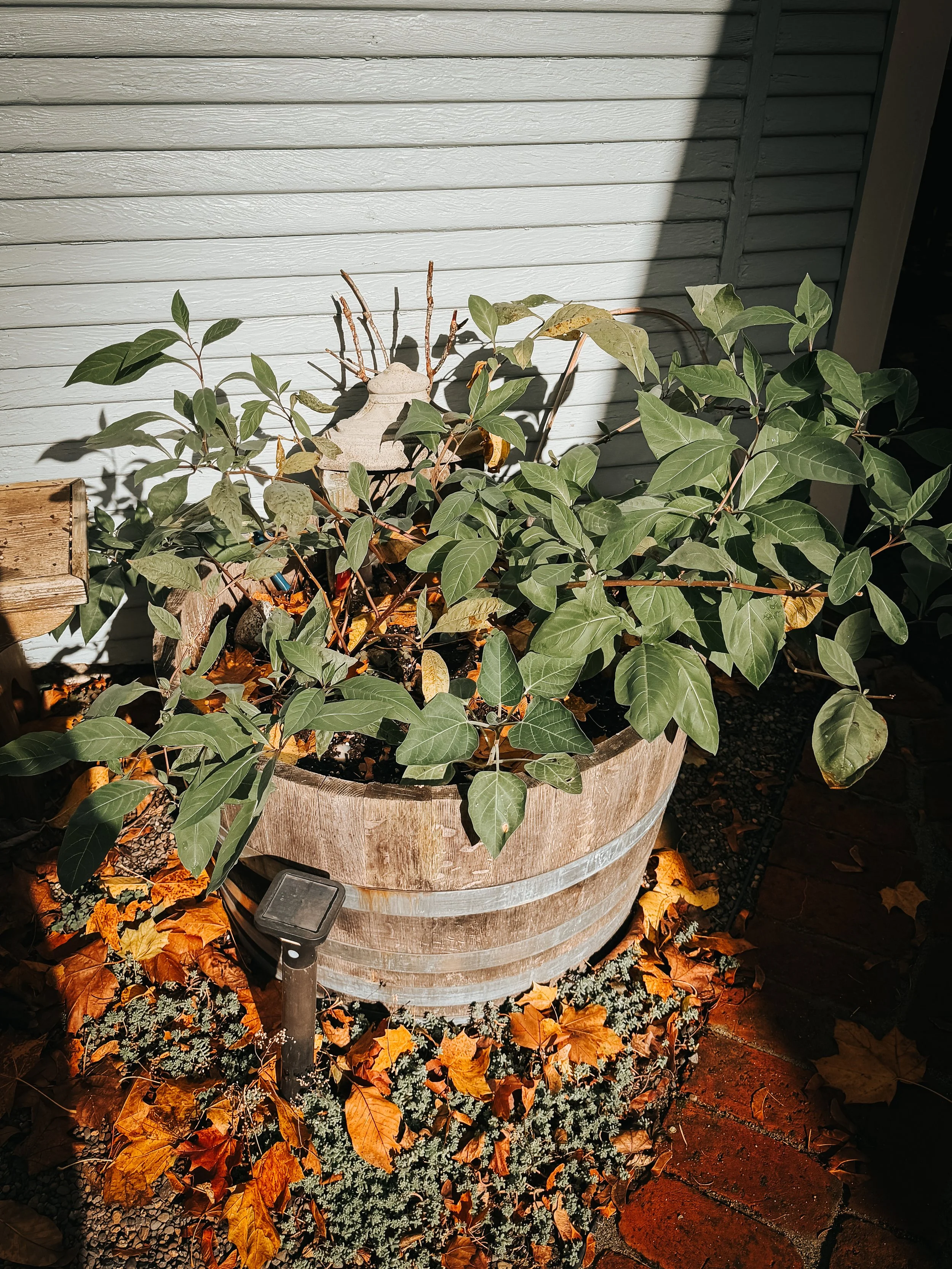
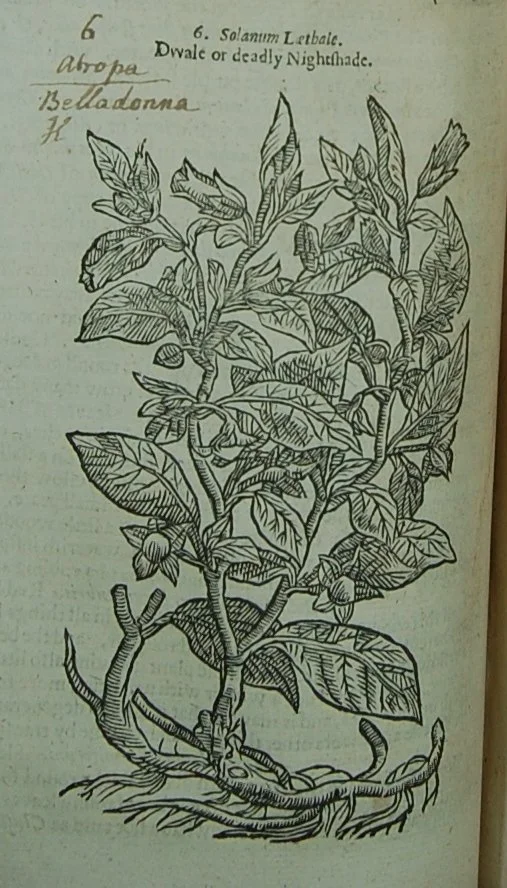
Contains henbane (Hyoscyamus niger) seeds, a poisonous plant in the nightshade family.
Seeds are viable and are not for human consumption. Do not purchase if amulet cannot be secured safely from children, pets, and other at-risk humans. Seeds are toxic and alkaloids are no joke.
Germanic and Norse peoples called the plant bilsa as Proto-Germanic bil meant element "vision", "hallucination", "magical power", and "miraculous ability."
Henbane is associated with:
trance
altered states: euphoria + delirium
prophecy
summoning
necromancy
divination
protection (especially from danger, travel, the night)
threshold crossing
sleep magic: rest, dreamwork, relief from suffering
It was originally used in continental Europe, Asia, and the Arab world, then spread to England in the Middle Ages.
Famously, henbane seeds were found in the Fyrkat grave of a 13th century völva (Norse seeress) in Denmark and in other Norse/Viking artifacts. A popular theory speculates henbane was used by the berserkers.
Henbane seeds were traditionally fumigated (used in incense, burned on coals, etc.) as the tropane alkaloids were able to be inhaled, causing sensations of flight, sedation, and anesthetization. It is anti-emetic, used for toothaches, and was a popular ingredient in beer. By the middle ages henbane was strongly associated with witchcraft, and has been feared ever since.
Vintage brass fish amulet on vintage multi-chain in a gold-copper tone. Chain measures approx 30”. Stopper has an Arabic engraving likely saying “Allah.” Fish pendants like these were a popular souvenir from the Arab world .
Relevant to those (like me) with Scandinavian ancestry, Viking-Age Scandinavia was deeply connected to eastern trade networks and the Abbasid Caliphate. Archaeologists have discovered Arabic silver coins (dirhams) worn as pendants, Islamic silk, belts with stylized Kufic, and a ring from Birka engraved with the word “Allah,” reflecting the cultural exchange between Norse traders and the Muslim world.
Contains henbane (Hyoscyamus niger) seeds, a poisonous plant in the nightshade family.
Seeds are viable and are not for human consumption. Do not purchase if amulet cannot be secured safely from children, pets, and other at-risk humans. Seeds are toxic and alkaloids are no joke.
Germanic and Norse peoples called the plant bilsa as Proto-Germanic bil meant element "vision", "hallucination", "magical power", and "miraculous ability."
Henbane is associated with:
trance
altered states: euphoria + delirium
prophecy
summoning
necromancy
divination
protection (especially from danger, travel, the night)
threshold crossing
sleep magic: rest, dreamwork, relief from suffering
It was originally used in continental Europe, Asia, and the Arab world, then spread to England in the Middle Ages.
Famously, henbane seeds were found in the Fyrkat grave of a 13th century völva (Norse seeress) in Denmark and in other Norse/Viking artifacts. A popular theory speculates henbane was used by the berserkers.
Henbane seeds were traditionally fumigated (used in incense, burned on coals, etc.) as the tropane alkaloids were able to be inhaled, causing sensations of flight, sedation, and anesthetization. It is anti-emetic, used for toothaches, and was a popular ingredient in beer. By the middle ages henbane was strongly associated with witchcraft, and has been feared ever since.
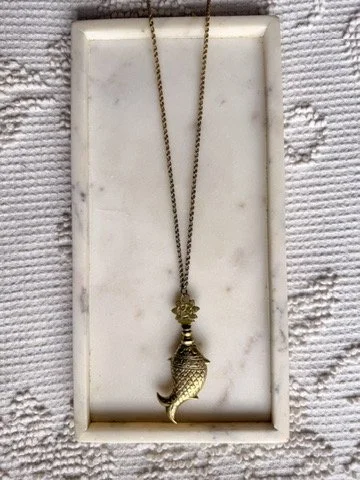 Image 1 of 10
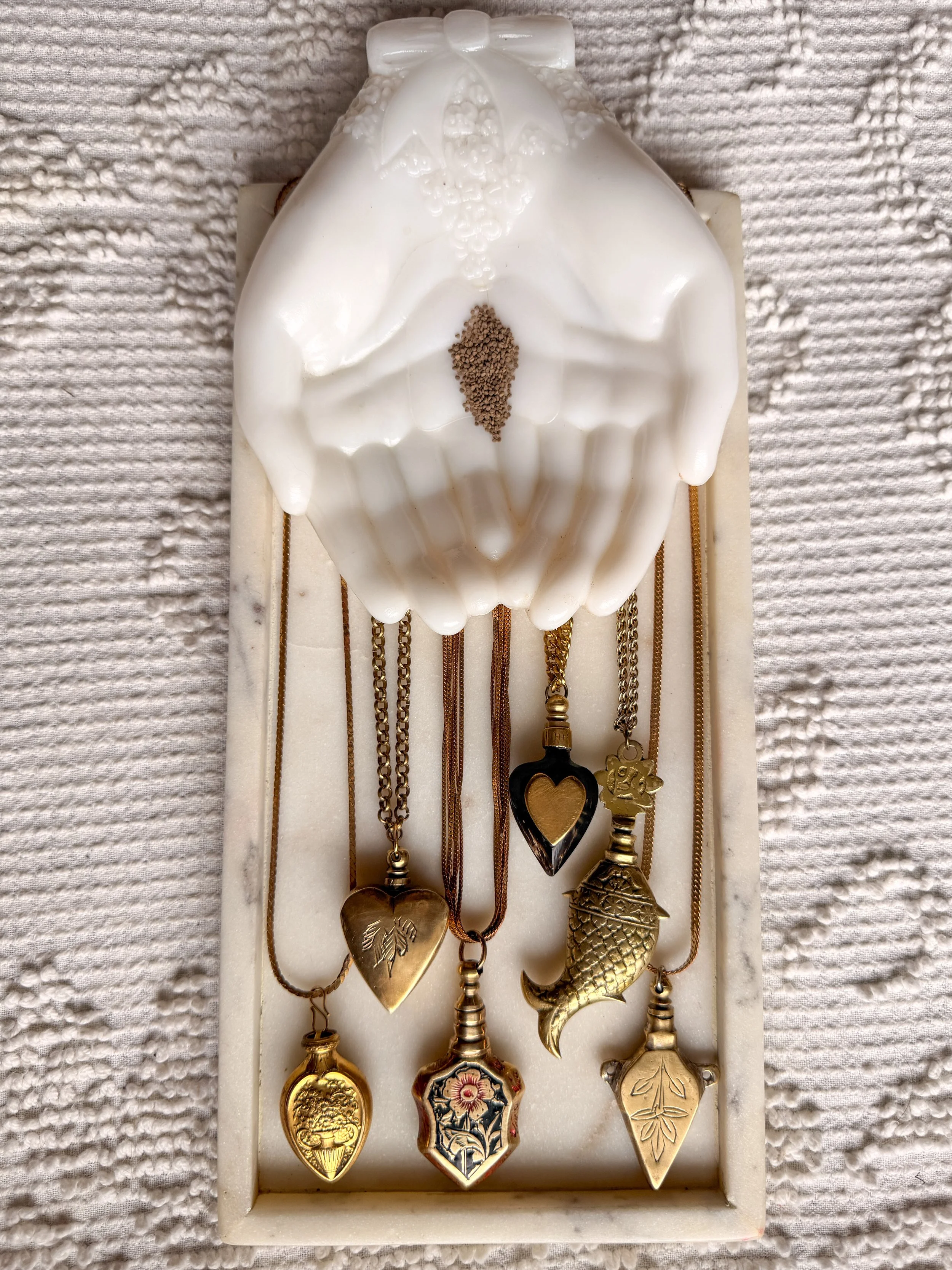 Image 2 of 10
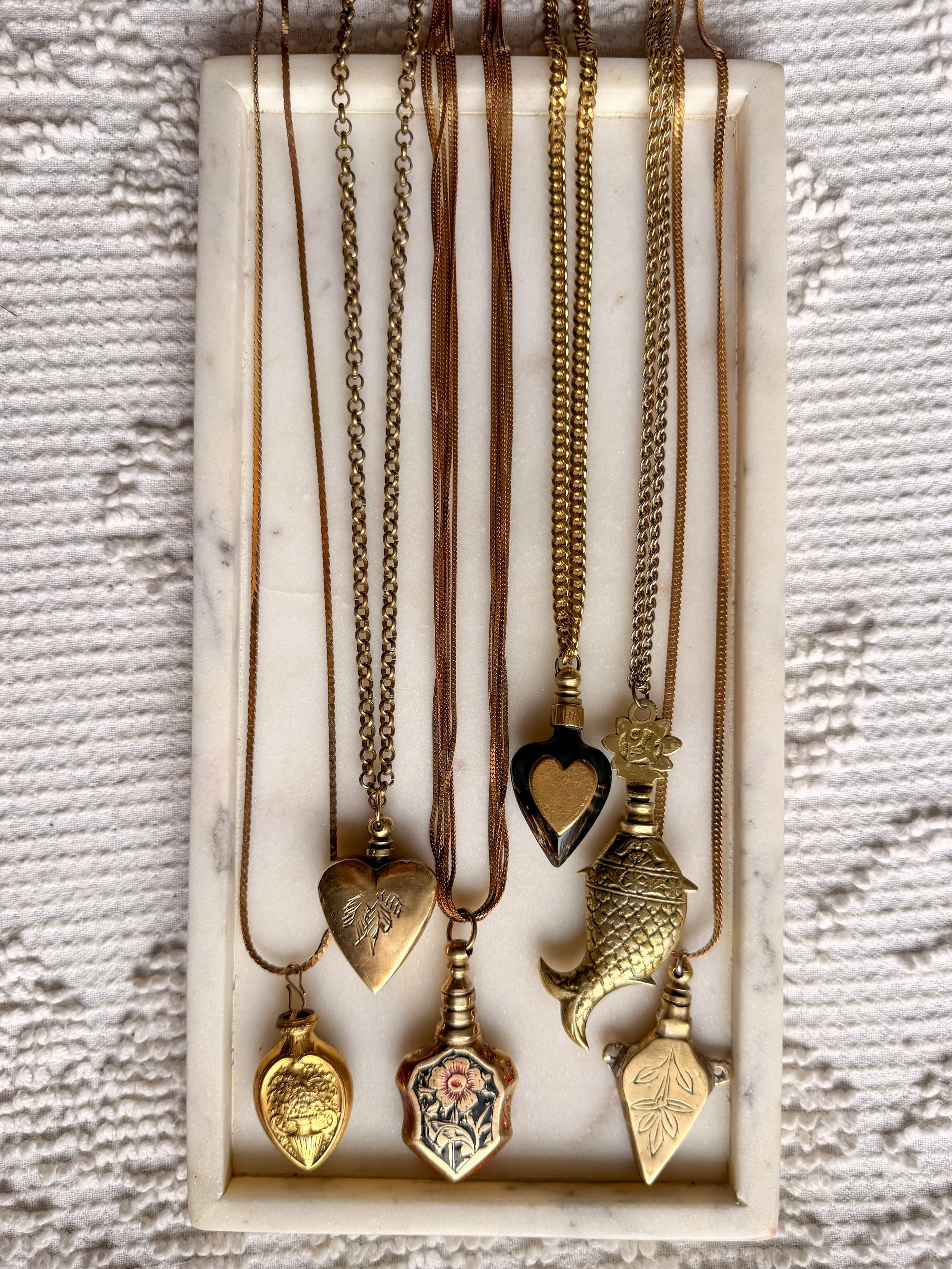 Image 3 of 10
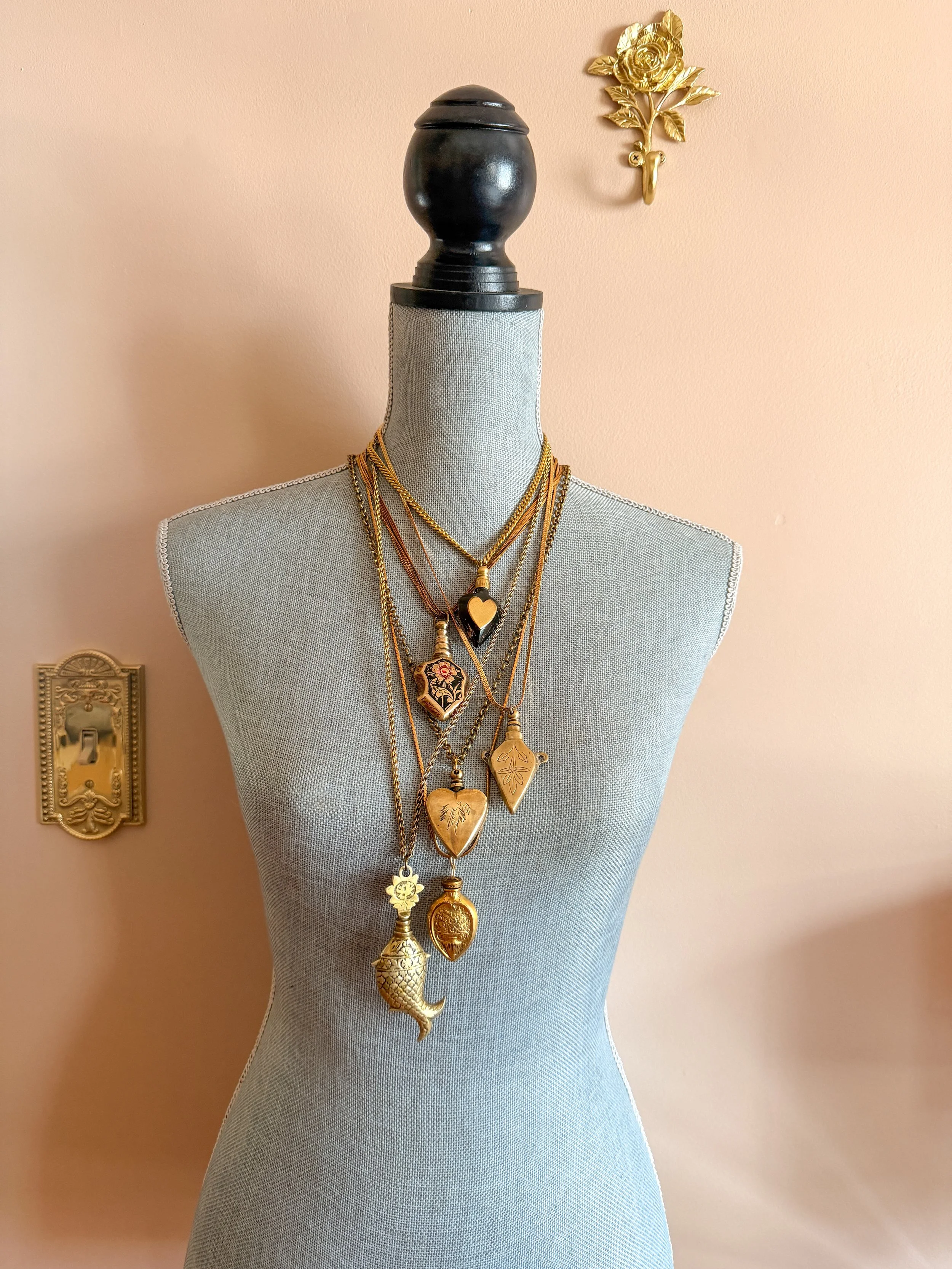 Image 4 of 10
 Image 5 of 10
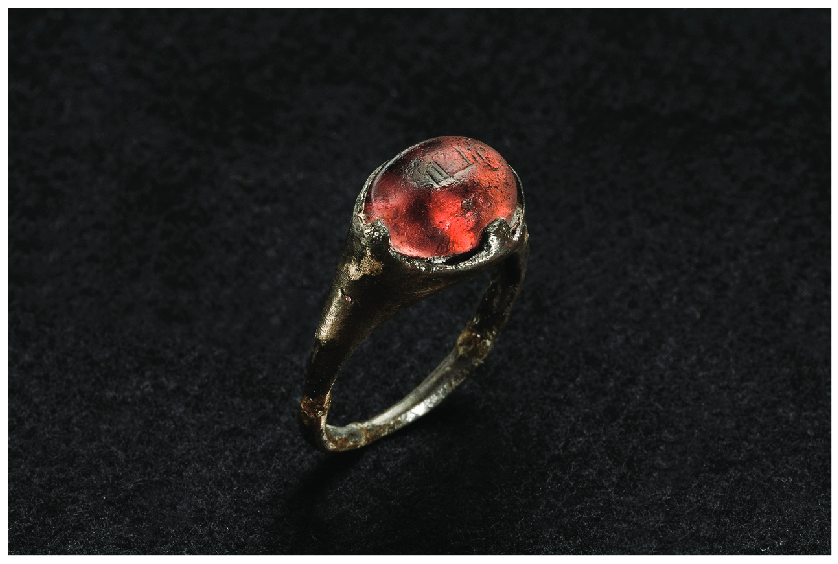 Image 6 of 10
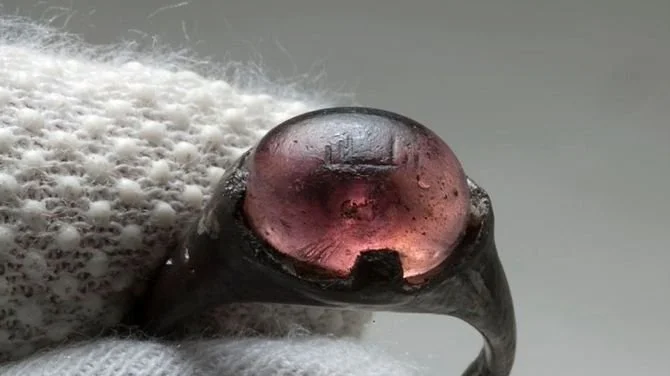 Image 7 of 10
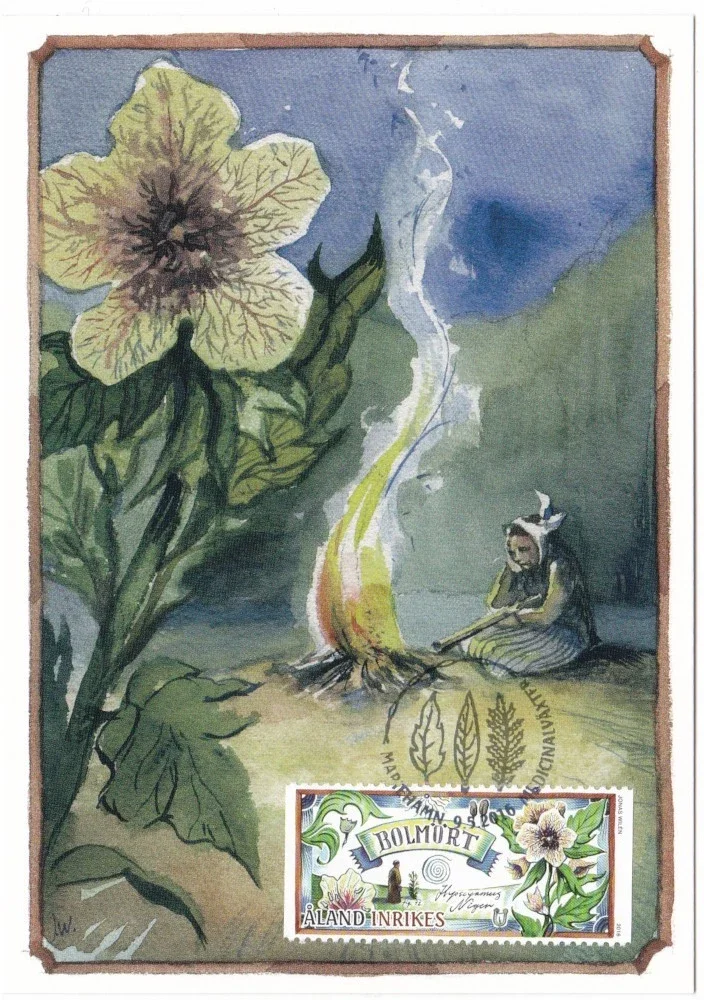 Image 8 of 10
 Image 9 of 10
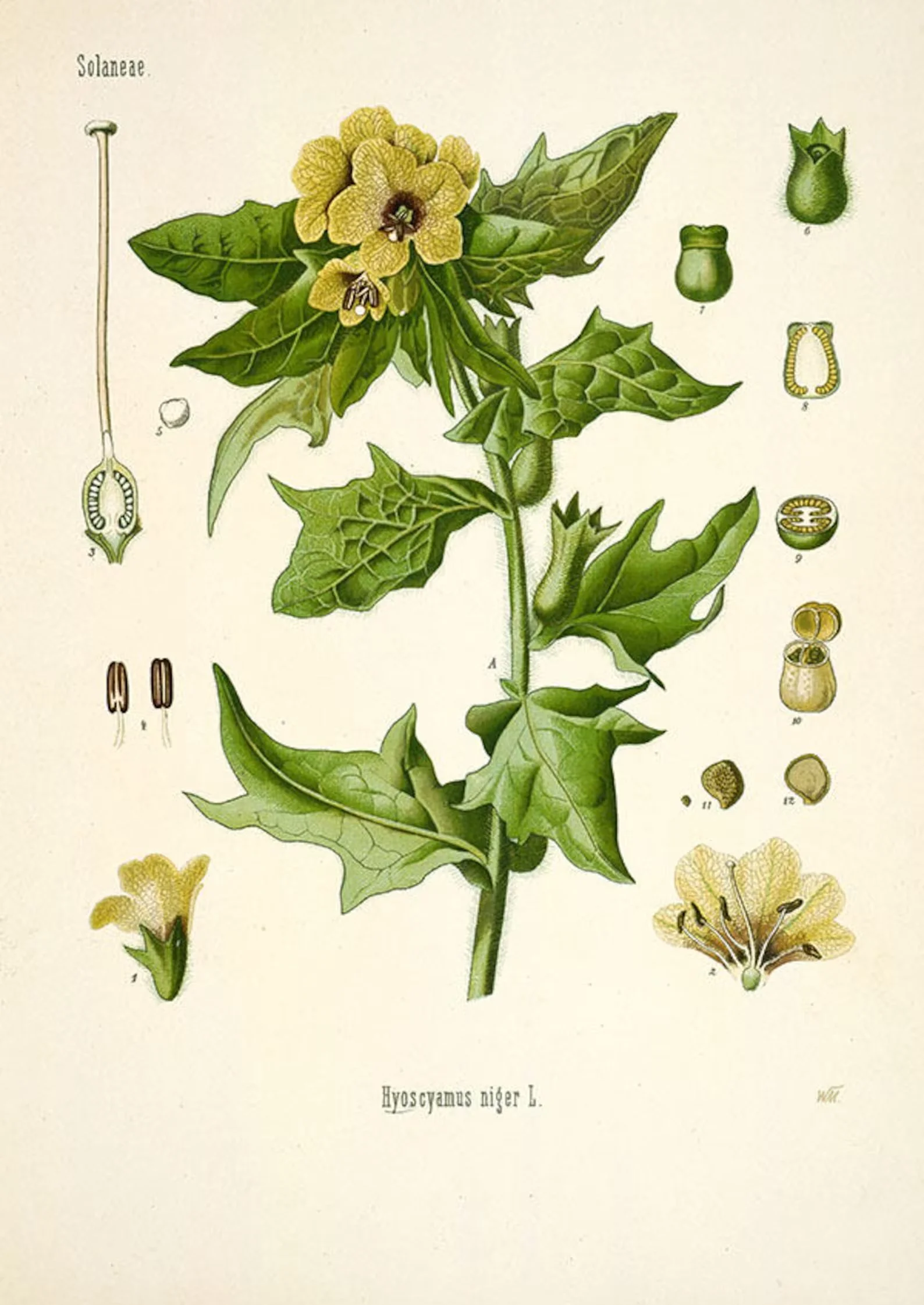 Image 10 of 10