 Image 1 of 5
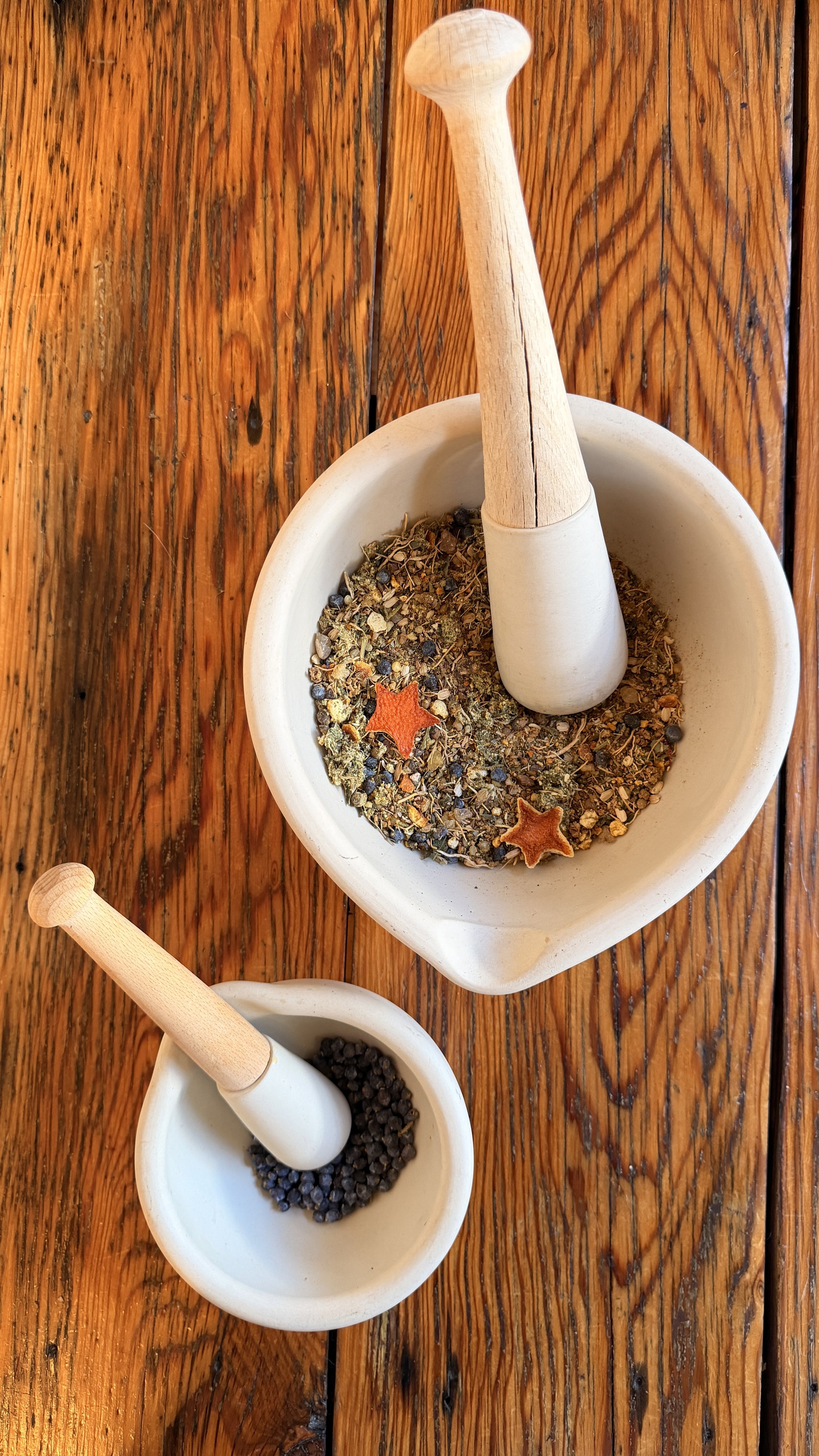 Image 2 of 5
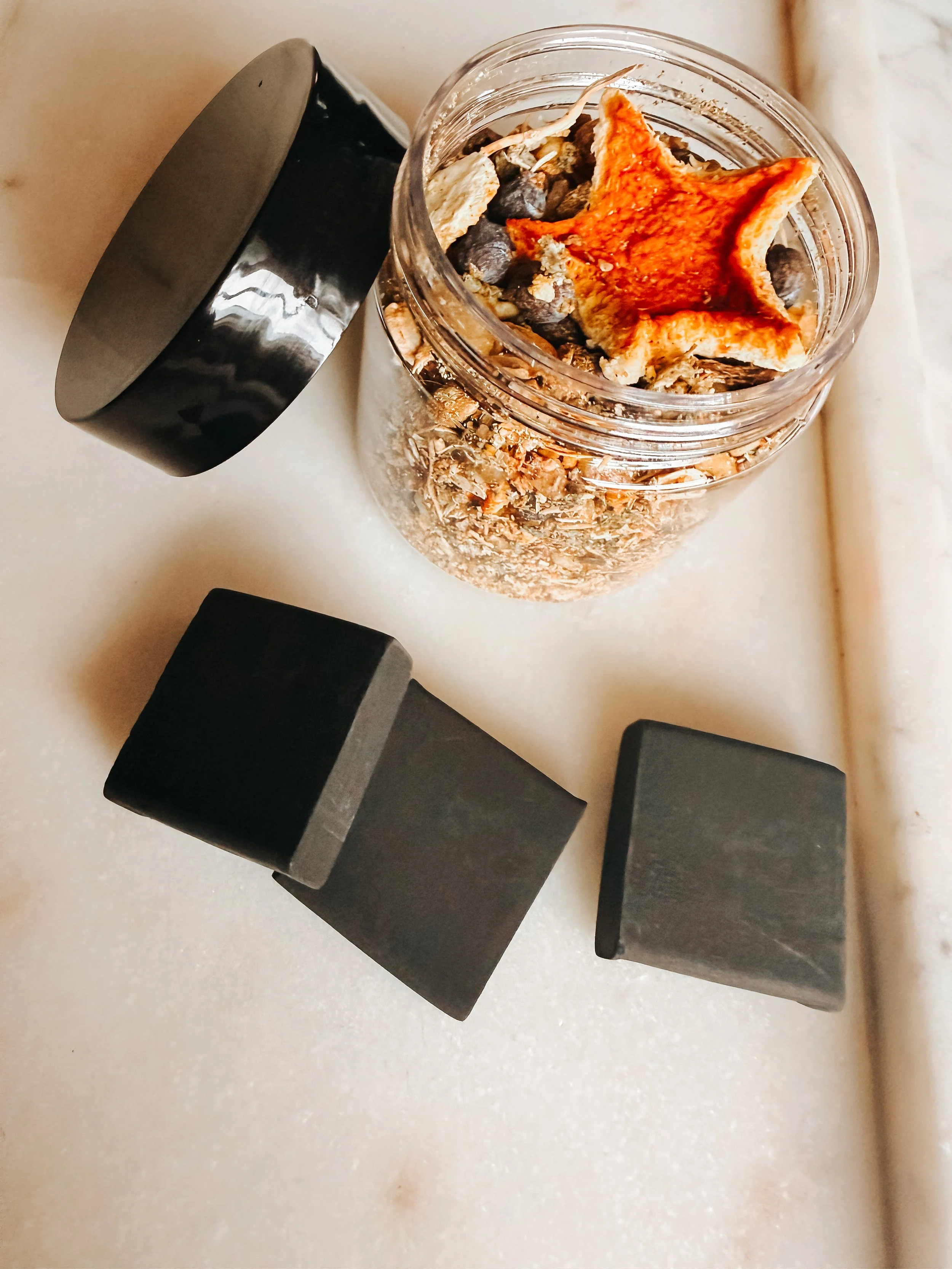 Image 3 of 5
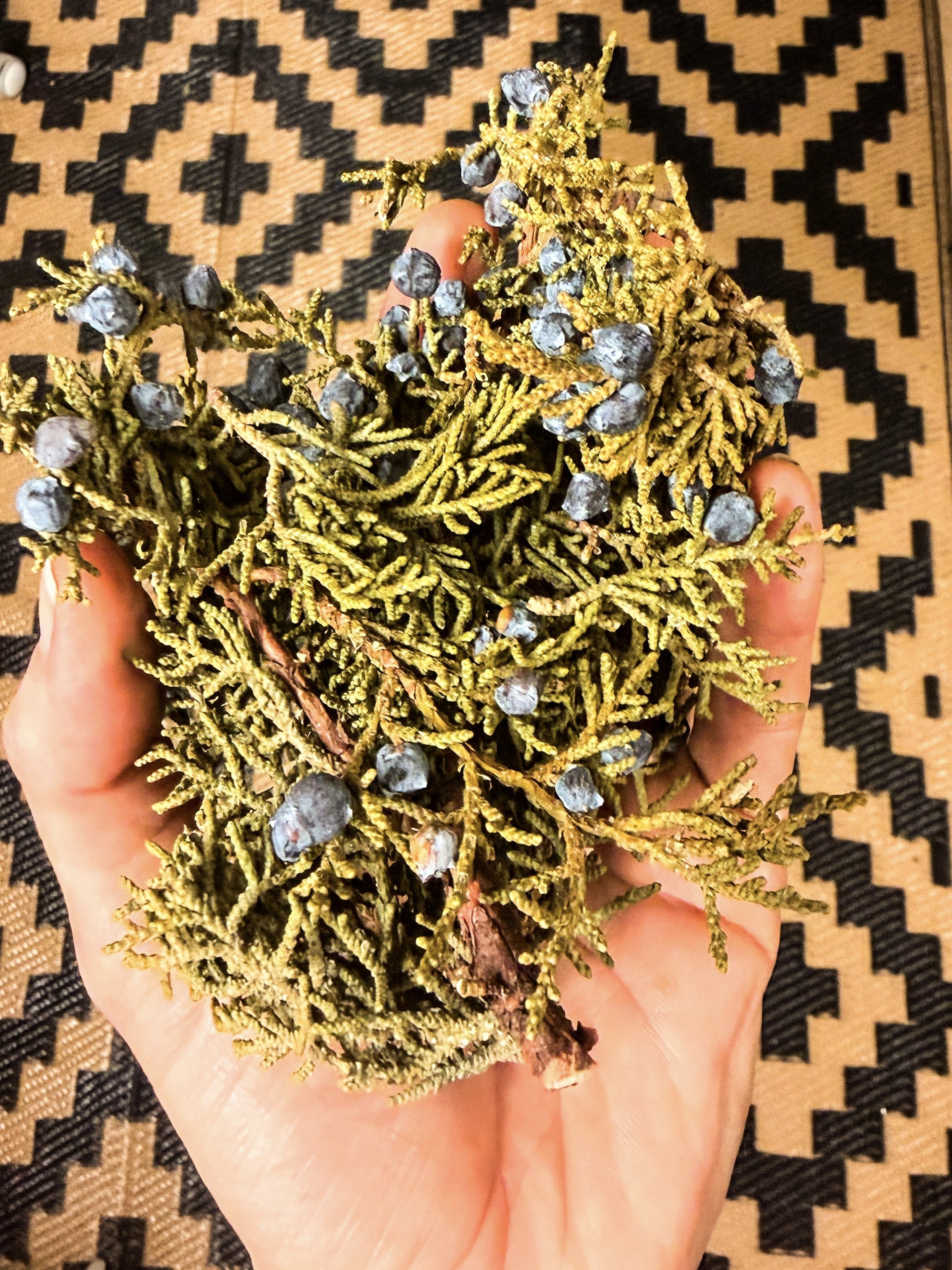 Image 4 of 5
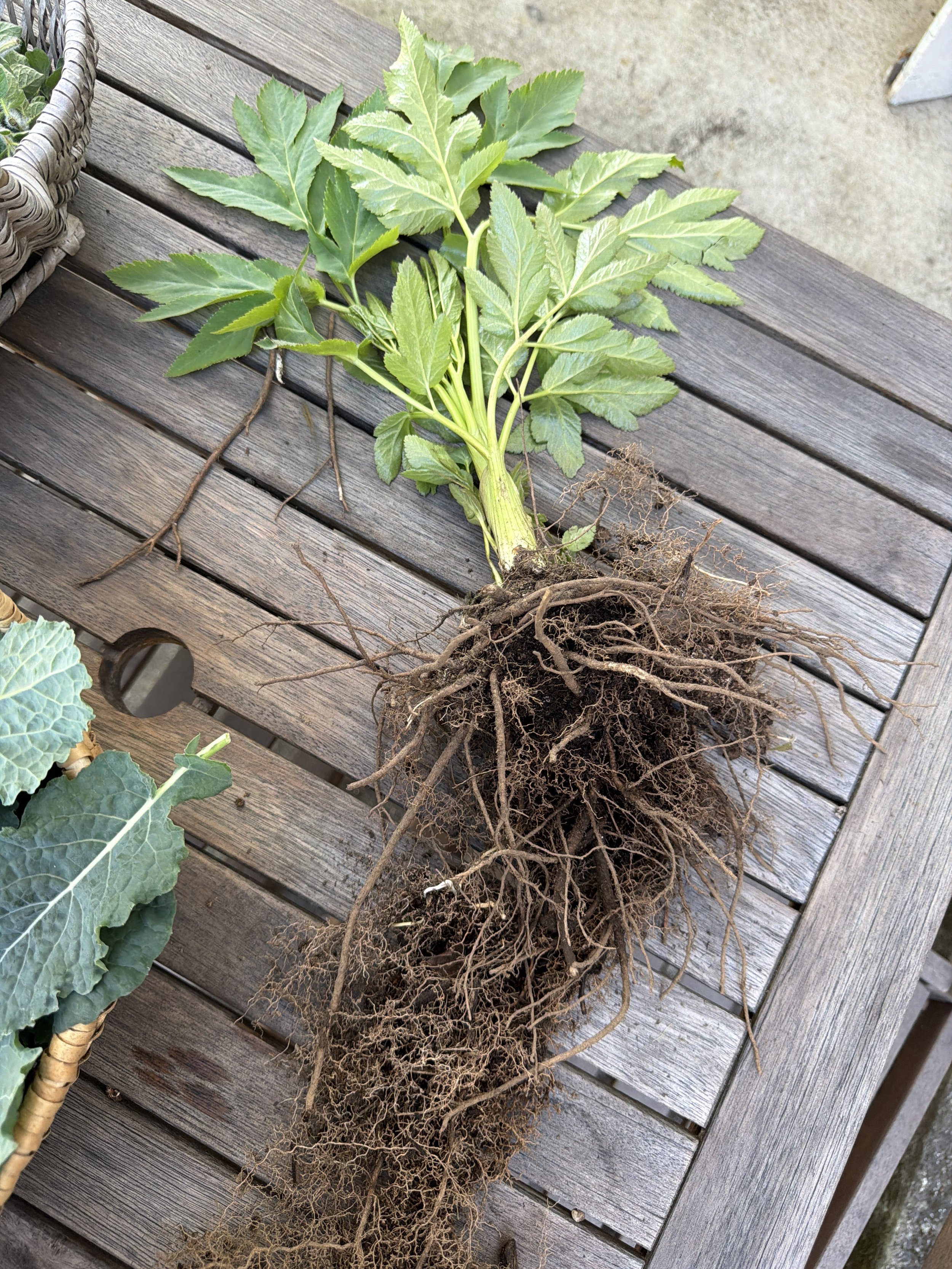 Image 5 of 5
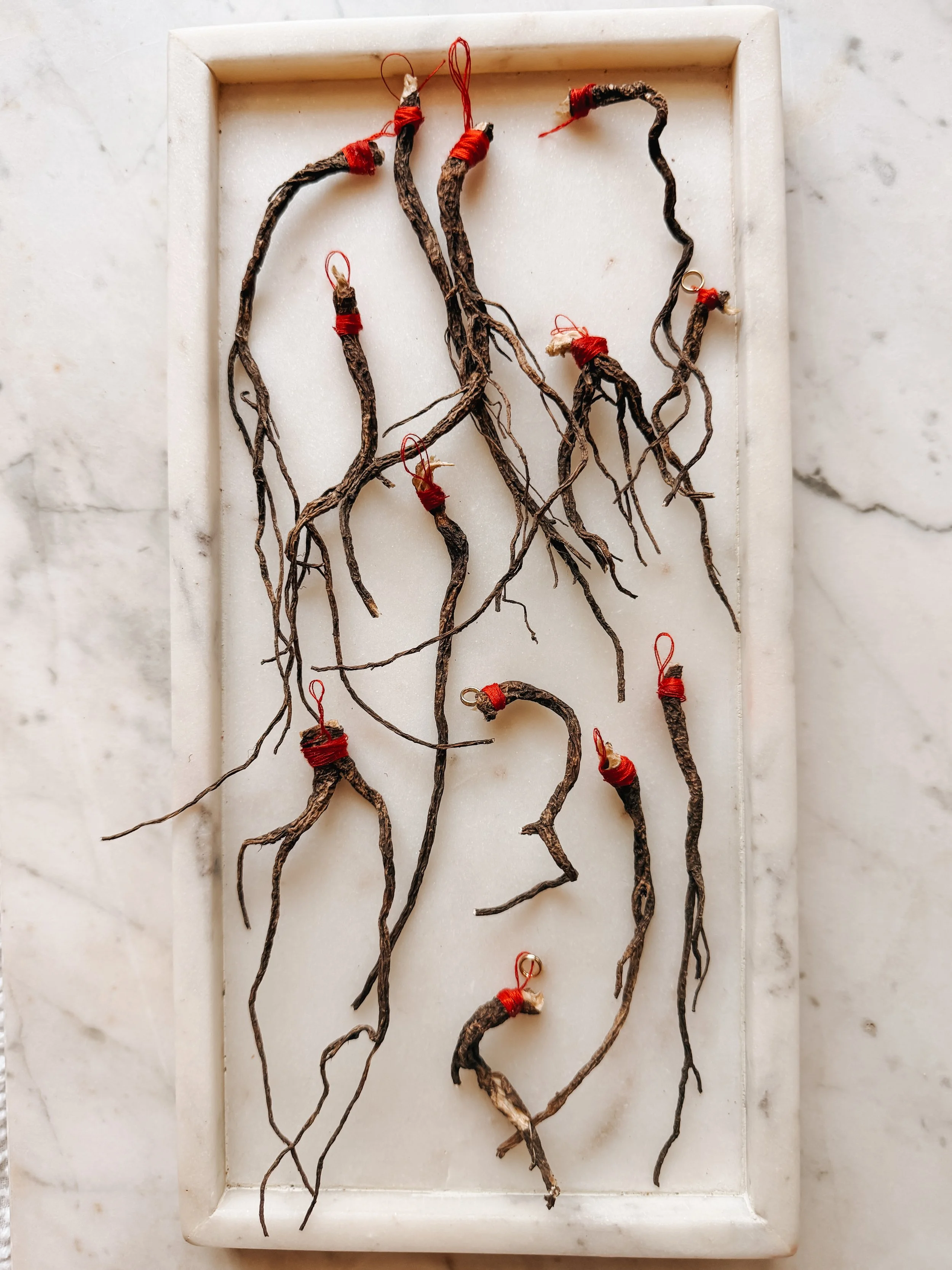
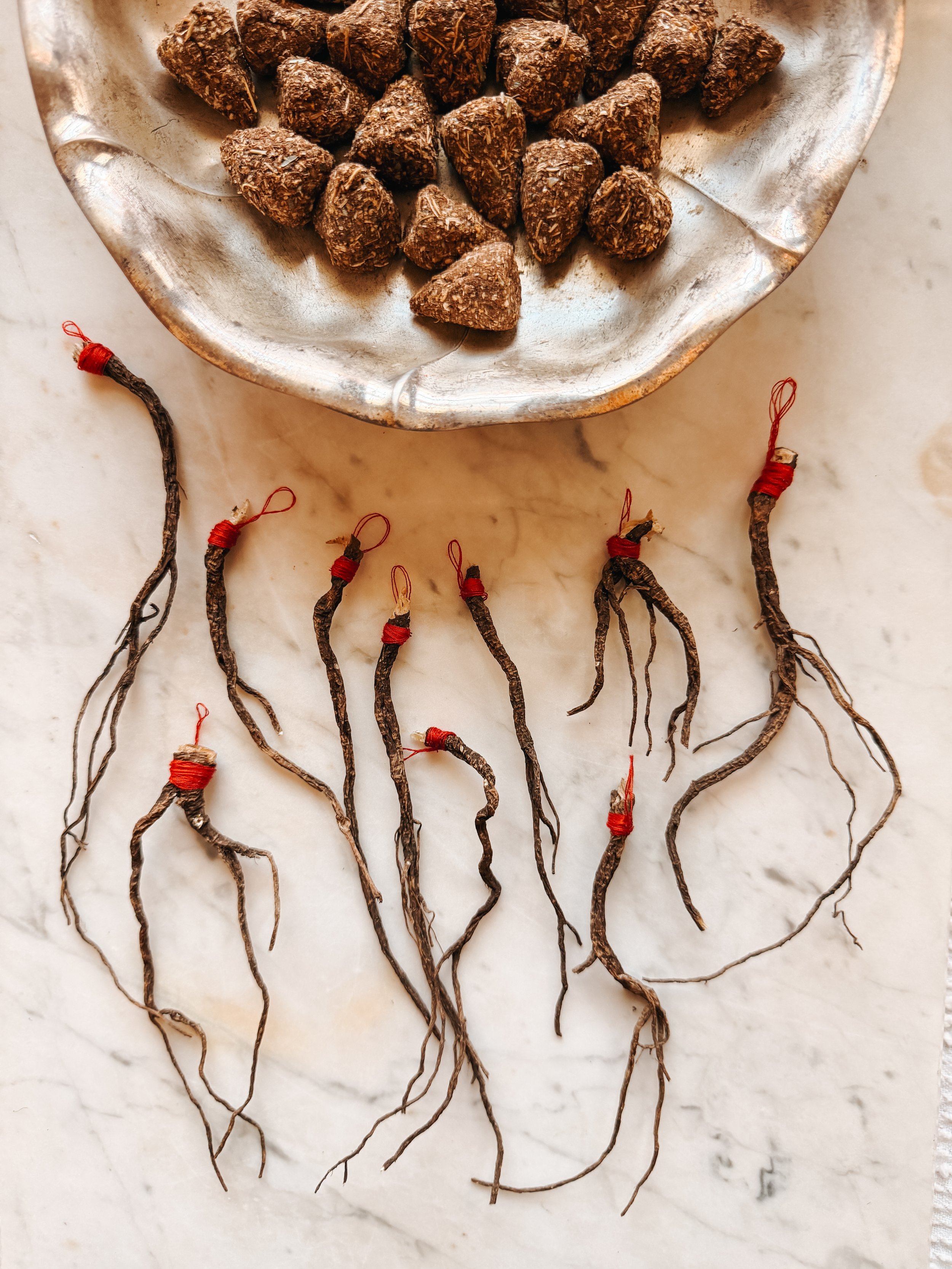
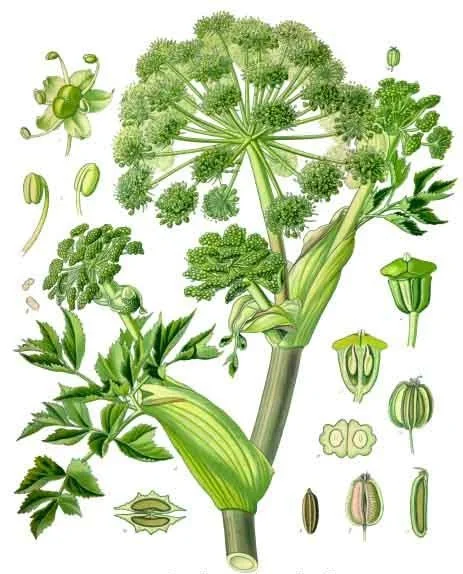
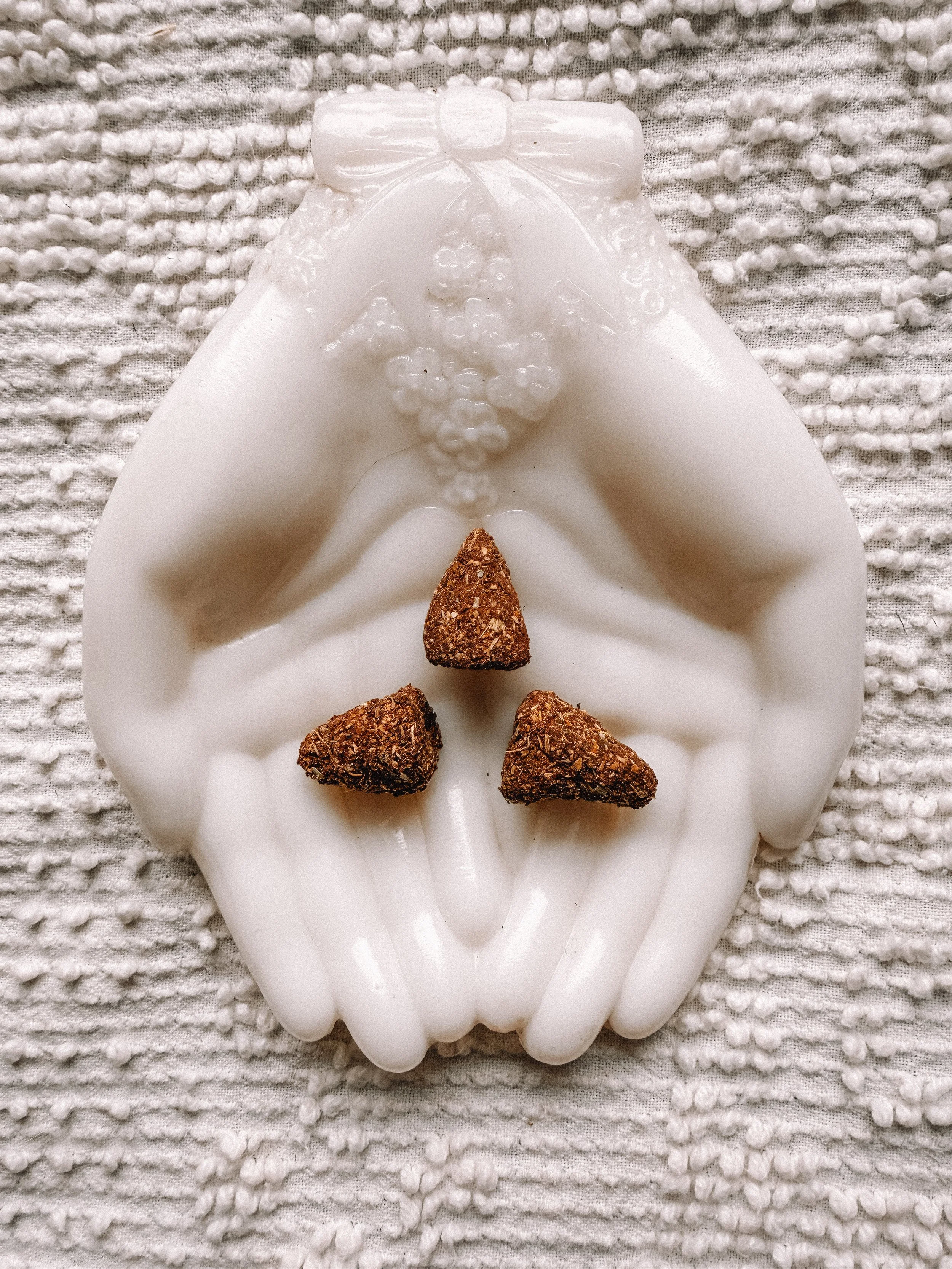
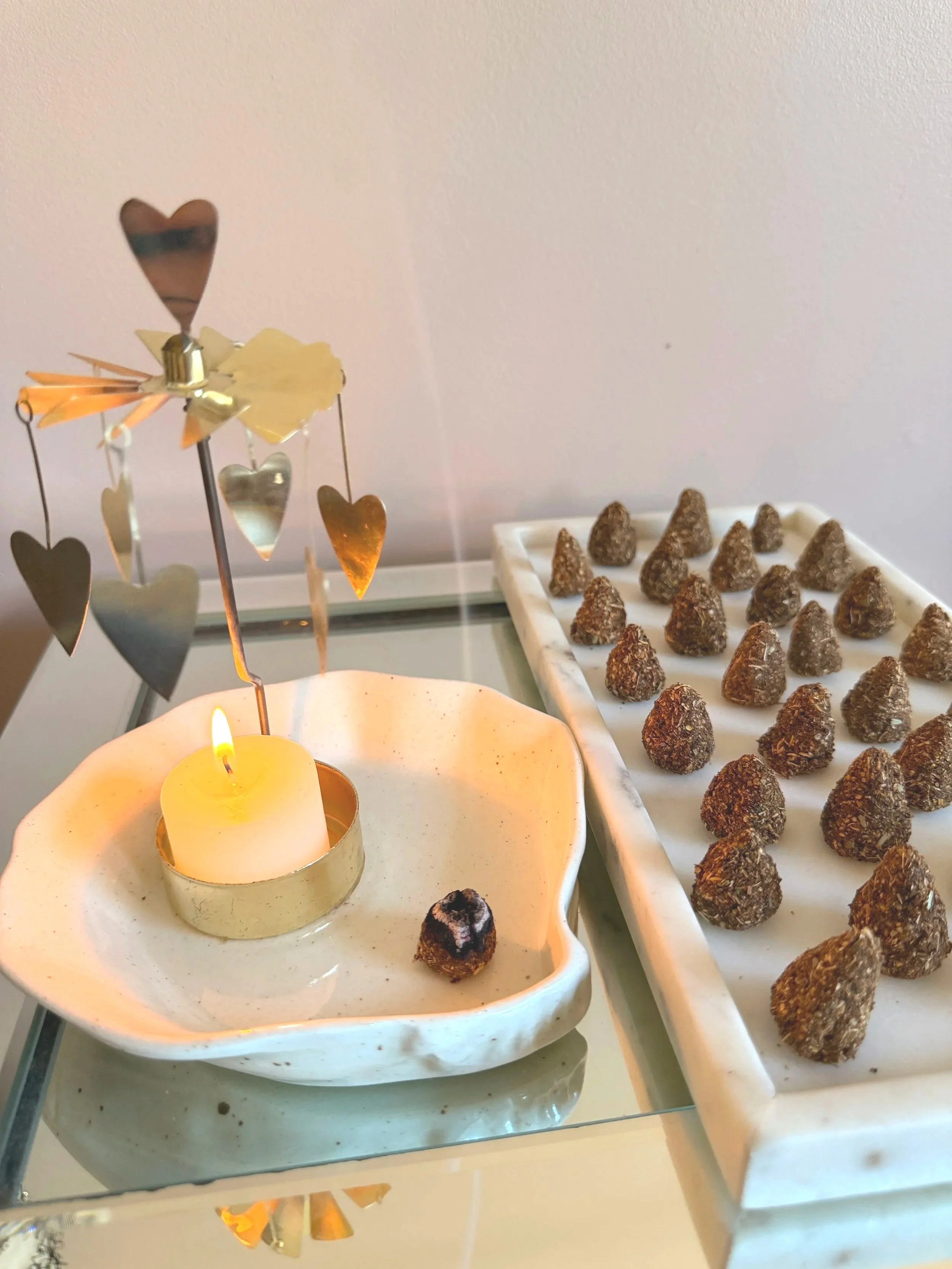
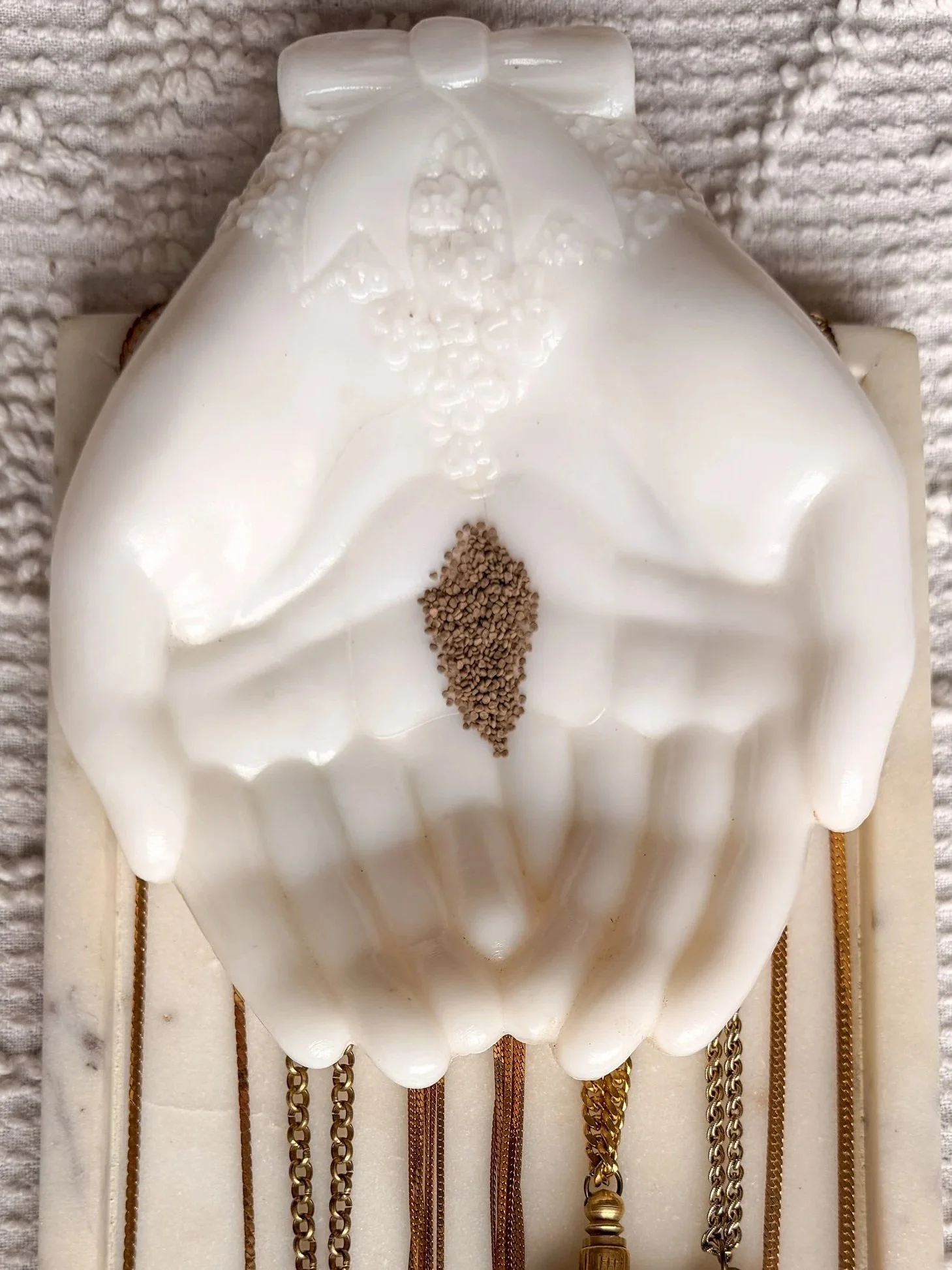
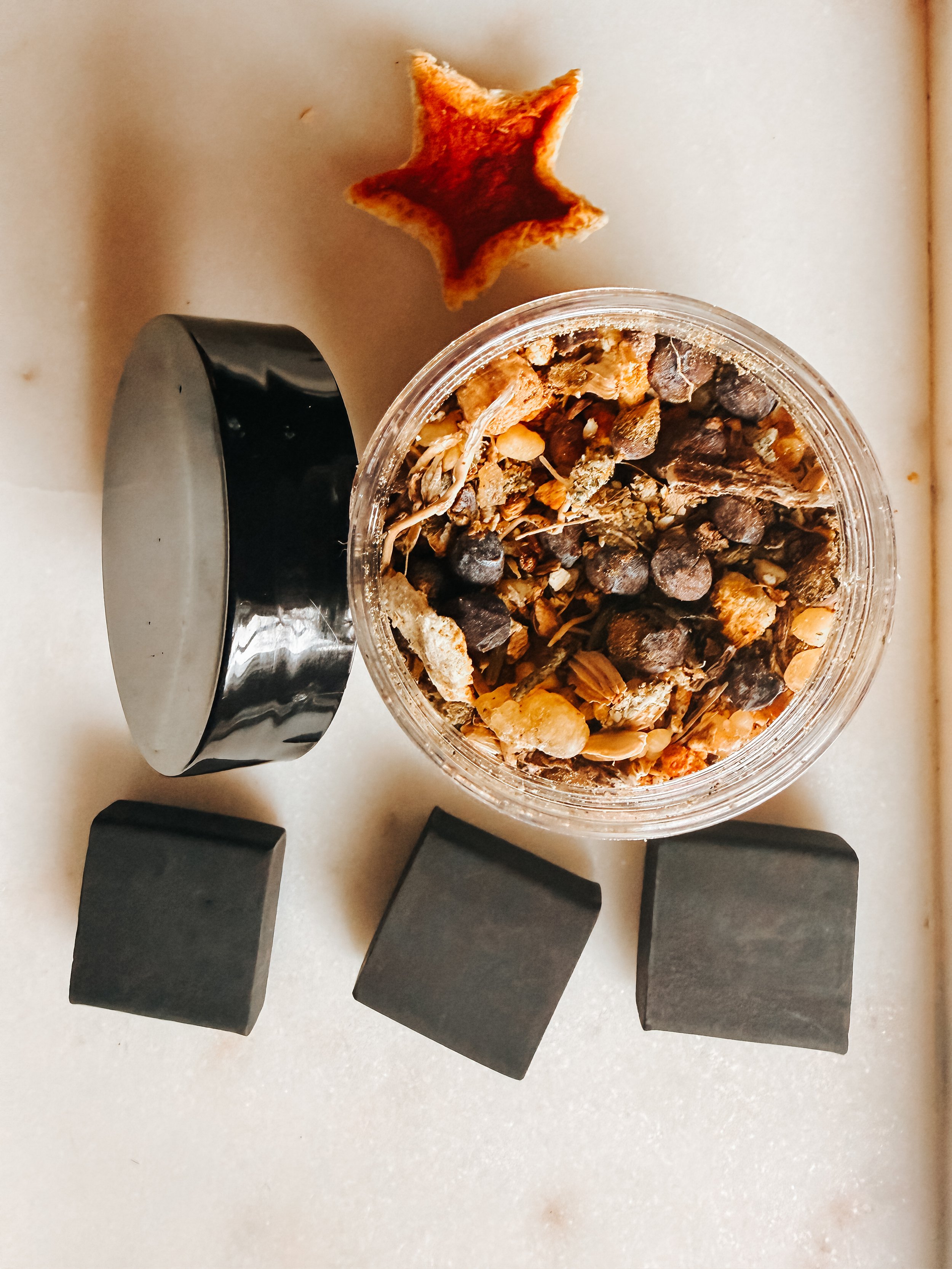
Limited edition loose incense featuring wildcrafted traditional divination herbs in a makko powder base: fluffy mugwort, some other more camphorous artemisias, juniper berry, cedar, angelica root. I also included cypress cone, sage flowers, bay laurel, orange peel (to support combustion), frankincense, myrrh and vetiver root (not European but I have a lot of very high quality root and it smells wonderful).
Comes with three Japanese lower temp and low-smoke briquettes. Please do not leave burning incense unattended and burn on a heat-safe surface.
purification
divination
connecting with ancestors
connecting with plant persons
making a vibey space smell nice
This incense features herbs that were traditionally burned by the indigenous and land-based peoples in ancient Europe with archaeological evidence dating back 40,000 years: Neolithic homes and Bronze Age burial sites shows the use of juniper, mugwort, yarrow, birch, and resinous woods. Evidence for burning Angelica dates to early medieval Europe.
In a time when “spiritual” (often white) people’s overconsumption of sacred plants (white sage, sandalwood, palo santo, etc.) contributes to their endangerment, returning to the cultivation, knowledge base and use of both local and ancestral plants before the advent of whiteness isn’t just an ecological imperative, it’s a political act.
Limited edition loose incense featuring wildcrafted traditional divination herbs in a makko powder base: fluffy mugwort, some other more camphorous artemisias, juniper berry, cedar, angelica root. I also included cypress cone, sage flowers, bay laurel, orange peel (to support combustion), frankincense, myrrh and vetiver root (not European but I have a lot of very high quality root and it smells wonderful).
Comes with three Japanese lower temp and low-smoke briquettes. Please do not leave burning incense unattended and burn on a heat-safe surface.
purification
divination
connecting with ancestors
connecting with plant persons
making a vibey space smell nice
This incense features herbs that were traditionally burned by the indigenous and land-based peoples in ancient Europe with archaeological evidence dating back 40,000 years: Neolithic homes and Bronze Age burial sites shows the use of juniper, mugwort, yarrow, birch, and resinous woods. Evidence for burning Angelica dates to early medieval Europe.
In a time when “spiritual” (often white) people’s overconsumption of sacred plants (white sage, sandalwood, palo santo, etc.) contributes to their endangerment, returning to the cultivation, knowledge base and use of both local and ancestral plants before the advent of whiteness isn’t just an ecological imperative, it’s a political act.