Antique Psalms of David in German
What’s included
Antique pocket psalm book with a vintage embroidered linen cover and antique rhinestone button fastener. Blank cover. This book is extremely old and has been repaired.
Velvet ribbon bookmark with Mother Mary charm at one end and applewood cross from my tree at the other.
Three incense cones featuring wildcrafted traditional divination herbs in a makko powder base: mugwort, juniper berry, cedar, angelica root. I also included cypress cone, sage flowers, bay laurel, orange peel, frankincense, myrrh and vetiver root. Dozens of burnings for each cone, please do not leave burning cone unattended and burn on a heat-safe surface.
A small piece of angelica root charm for protection and angelic support. It can be worn, carried, burned, eaten, made into tea, added to a tincture, or hung near a doorway.
How to use:
About “Pocket Psalters”
Once upon a time in Old Europe my Germanic, Scandinavian, Gaelic, and Slavic ancestors employed a type of bibliomancy divination with The Psalms of David for healing, protection, guidance, and even cursing. The psalms are a kind of ancient wisdom mixtape originating over 2000 years ago, attributed historically not just to King David (poet, harpist, very intense dude) but to temple singers, priestly groups and even post-exile writers around Jerusalem. The 150 Psalms contain universal human themes of struggle, fear, anger, lament, gratitude, awe, vengeance, fate, ecstasy and divine response.
While divination was explicitly forbidden (too close to witchcraft), opening the Psalter for guidance was considered listening for the voice of God – often near a well or a spring, when wisdom was needed. The tone mattered more than the literal meaning. These “pocket psalters” were extremely popular: given to people for weddings, before travel, carried around, and worn out. For this reason, they are quite rare and hard to find.
I’ve been sourcing the ones here for several months. These are Psalm Books that were used for this purpose, they are all over 100 years old. They come wrapped in vintage textiles (linen, silk velvet, antique lace) with a velvet ribbon bookmark that has a small apple wood cross made from my little apple tree, and a charm of Mother Mary because I like to remember who actually made God. I also like to mix in the folk Catholicism since that syncretic land-based tradition was punishable by death in Sweden until the mid-1800’s as Lutheranism was a state religion. So part of this artwork is a kind of reclaiming what was lost to the austere hegemony of the Lutheran Church.
I wasn’t raised in the Christian church so these objects aren’t loaded with religious energy, they are more of a syncretic folk art that aims to move against how whiteness erased the diverse land-based practices of my way-back people. We don’t need to steal like hungry ghosts. Wisdom (along with all the painful rest) is in our bloodline.
Antique Psalms of David in German
What’s included
Antique pocket psalm book with a vintage embroidered linen cover and antique rhinestone button fastener. Blank cover. This book is extremely old and has been repaired.
Velvet ribbon bookmark with Mother Mary charm at one end and applewood cross from my tree at the other.
Three incense cones featuring wildcrafted traditional divination herbs in a makko powder base: mugwort, juniper berry, cedar, angelica root. I also included cypress cone, sage flowers, bay laurel, orange peel, frankincense, myrrh and vetiver root. Dozens of burnings for each cone, please do not leave burning cone unattended and burn on a heat-safe surface.
A small piece of angelica root charm for protection and angelic support. It can be worn, carried, burned, eaten, made into tea, added to a tincture, or hung near a doorway.
How to use:
About “Pocket Psalters”
Once upon a time in Old Europe my Germanic, Scandinavian, Gaelic, and Slavic ancestors employed a type of bibliomancy divination with The Psalms of David for healing, protection, guidance, and even cursing. The psalms are a kind of ancient wisdom mixtape originating over 2000 years ago, attributed historically not just to King David (poet, harpist, very intense dude) but to temple singers, priestly groups and even post-exile writers around Jerusalem. The 150 Psalms contain universal human themes of struggle, fear, anger, lament, gratitude, awe, vengeance, fate, ecstasy and divine response.
While divination was explicitly forbidden (too close to witchcraft), opening the Psalter for guidance was considered listening for the voice of God – often near a well or a spring, when wisdom was needed. The tone mattered more than the literal meaning. These “pocket psalters” were extremely popular: given to people for weddings, before travel, carried around, and worn out. For this reason, they are quite rare and hard to find.
I’ve been sourcing the ones here for several months. These are Psalm Books that were used for this purpose, they are all over 100 years old. They come wrapped in vintage textiles (linen, silk velvet, antique lace) with a velvet ribbon bookmark that has a small apple wood cross made from my little apple tree, and a charm of Mother Mary because I like to remember who actually made God. I also like to mix in the folk Catholicism since that syncretic land-based tradition was punishable by death in Sweden until the mid-1800’s as Lutheranism was a state religion. So part of this artwork is a kind of reclaiming what was lost to the austere hegemony of the Lutheran Church.
I wasn’t raised in the Christian church so these objects aren’t loaded with religious energy, they are more of a syncretic folk art that aims to move against how whiteness erased the diverse land-based practices of my way-back people. We don’t need to steal like hungry ghosts. Wisdom (along with all the painful rest) is in our bloodline.
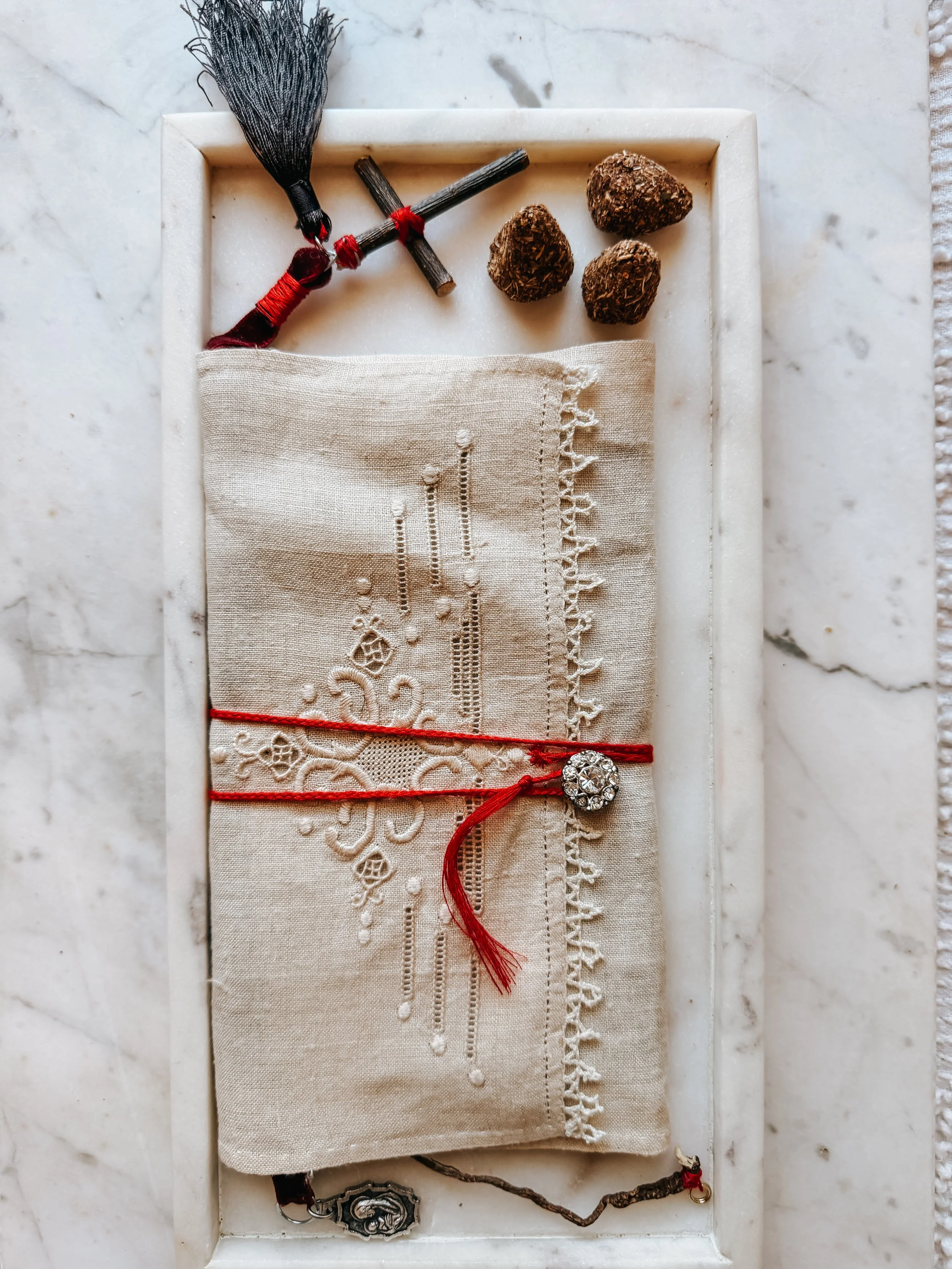 Image 1 of 17
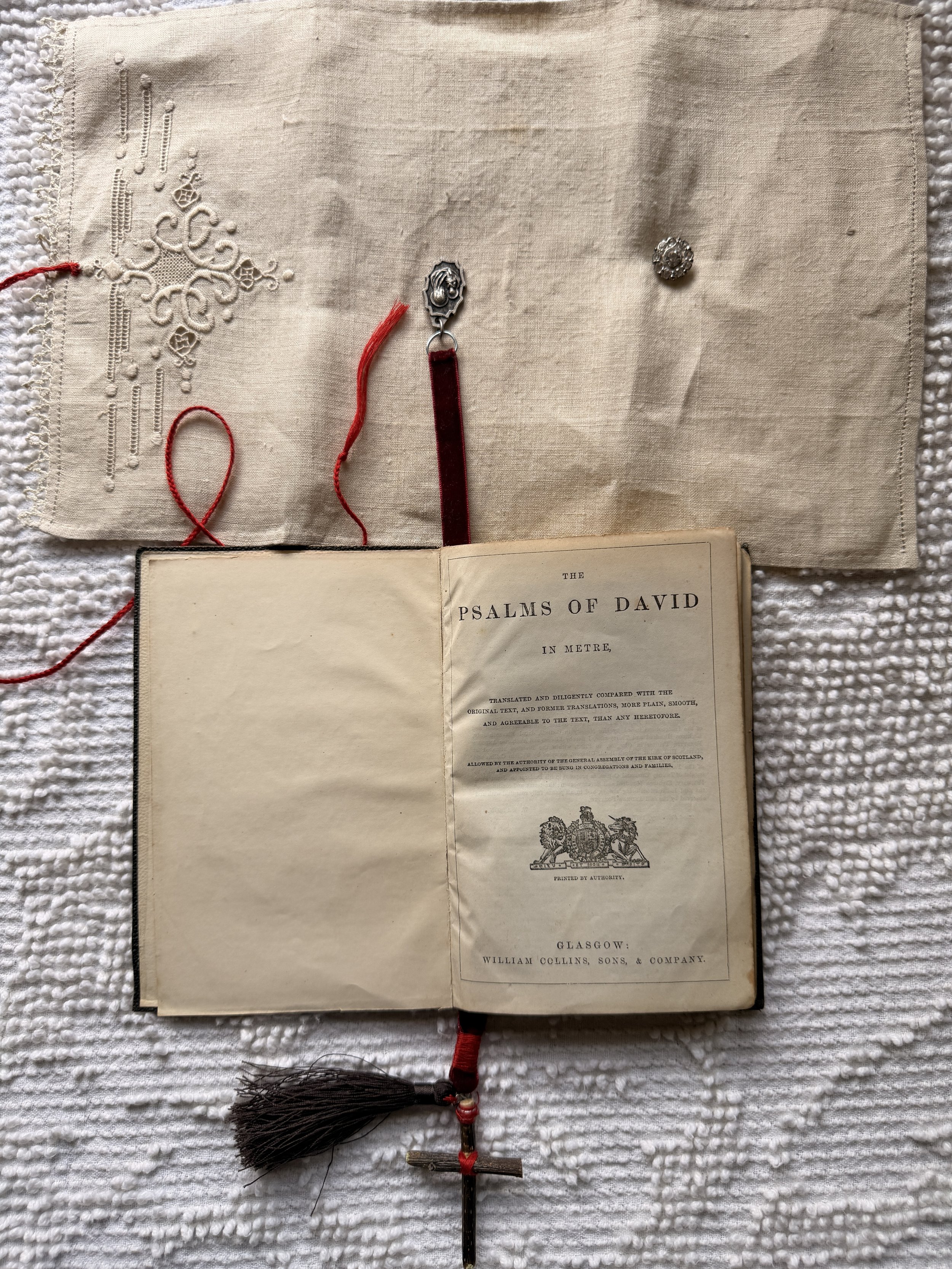 Image 2 of 17
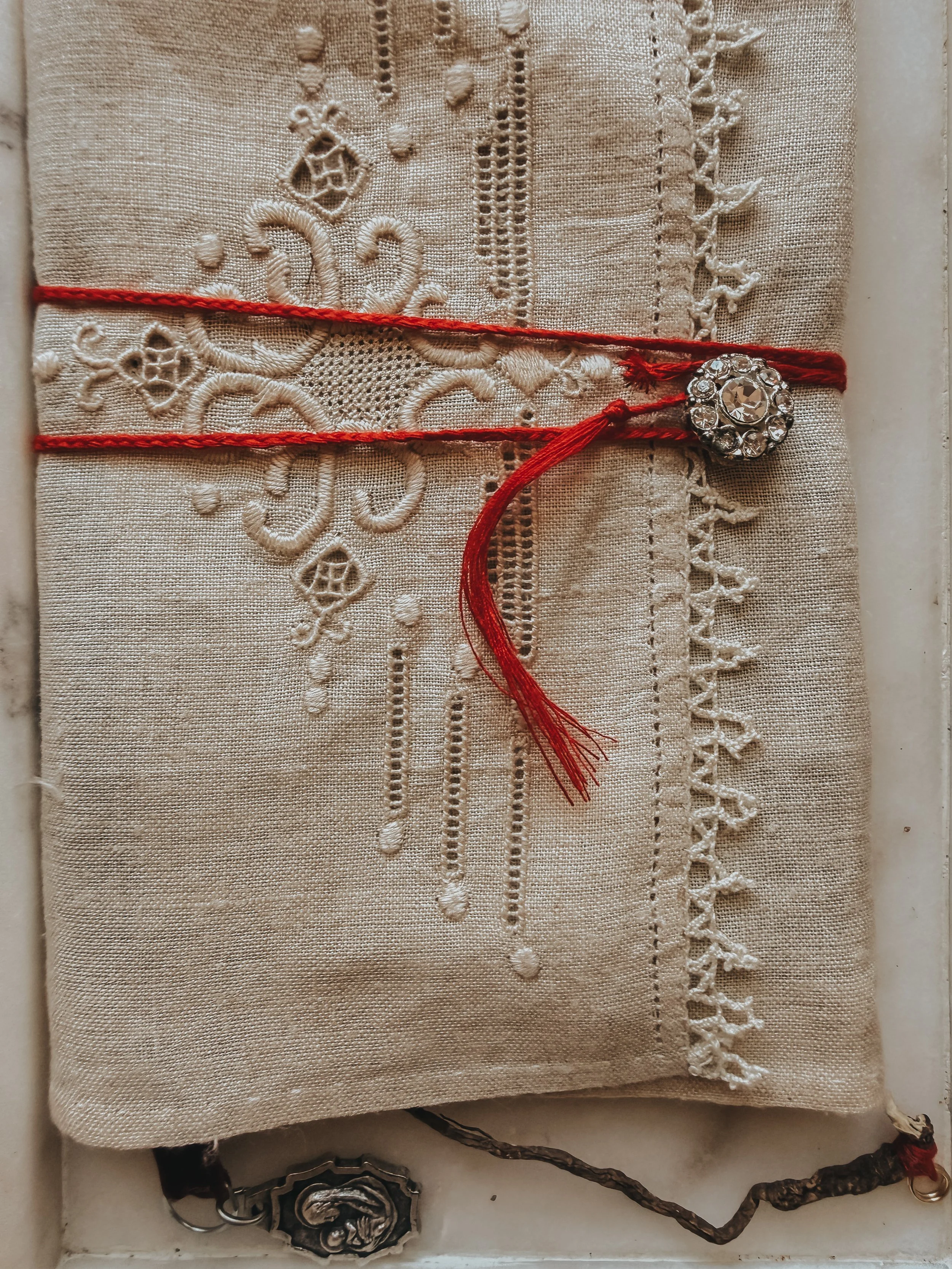 Image 3 of 17
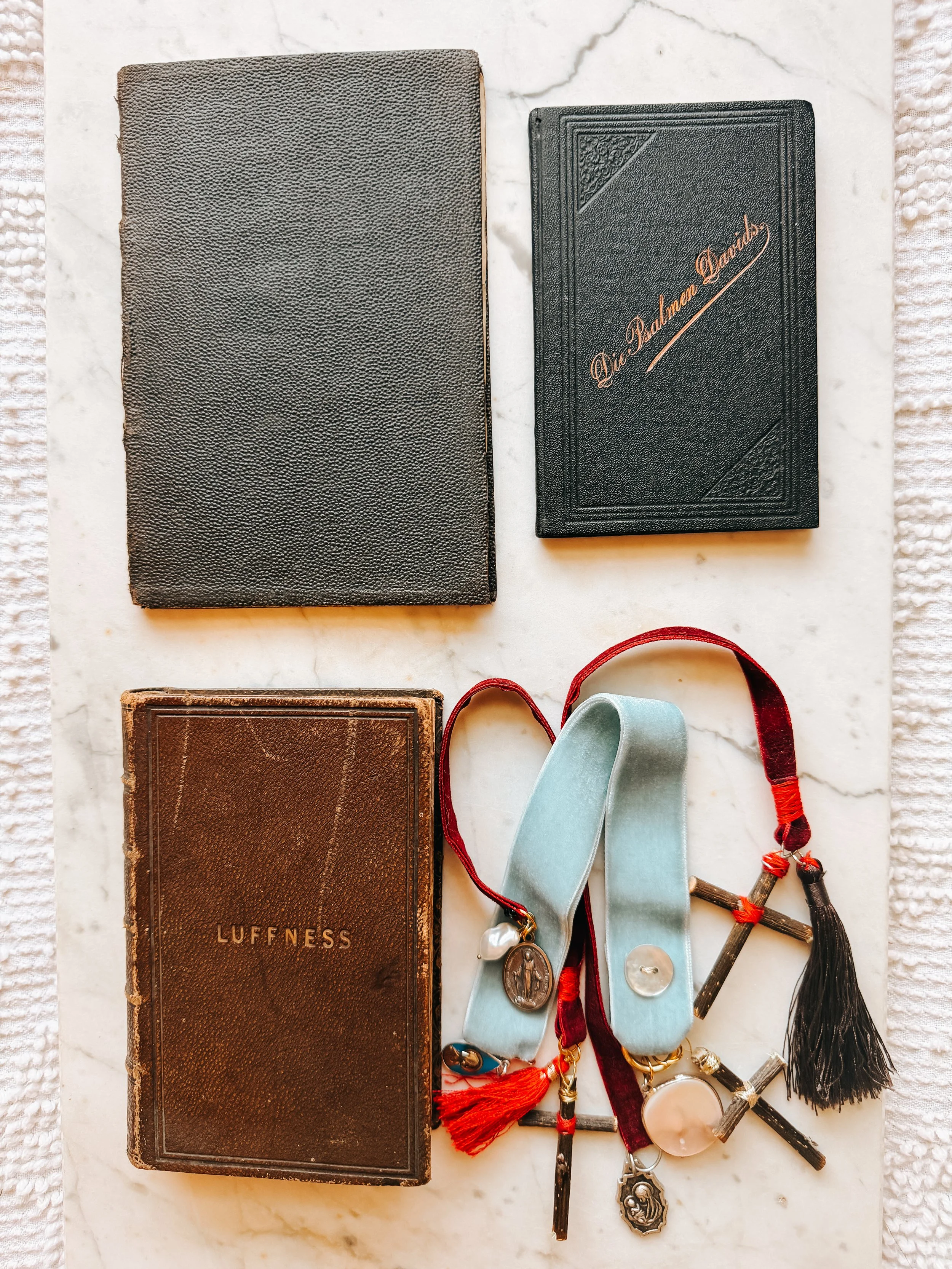 Image 4 of 17
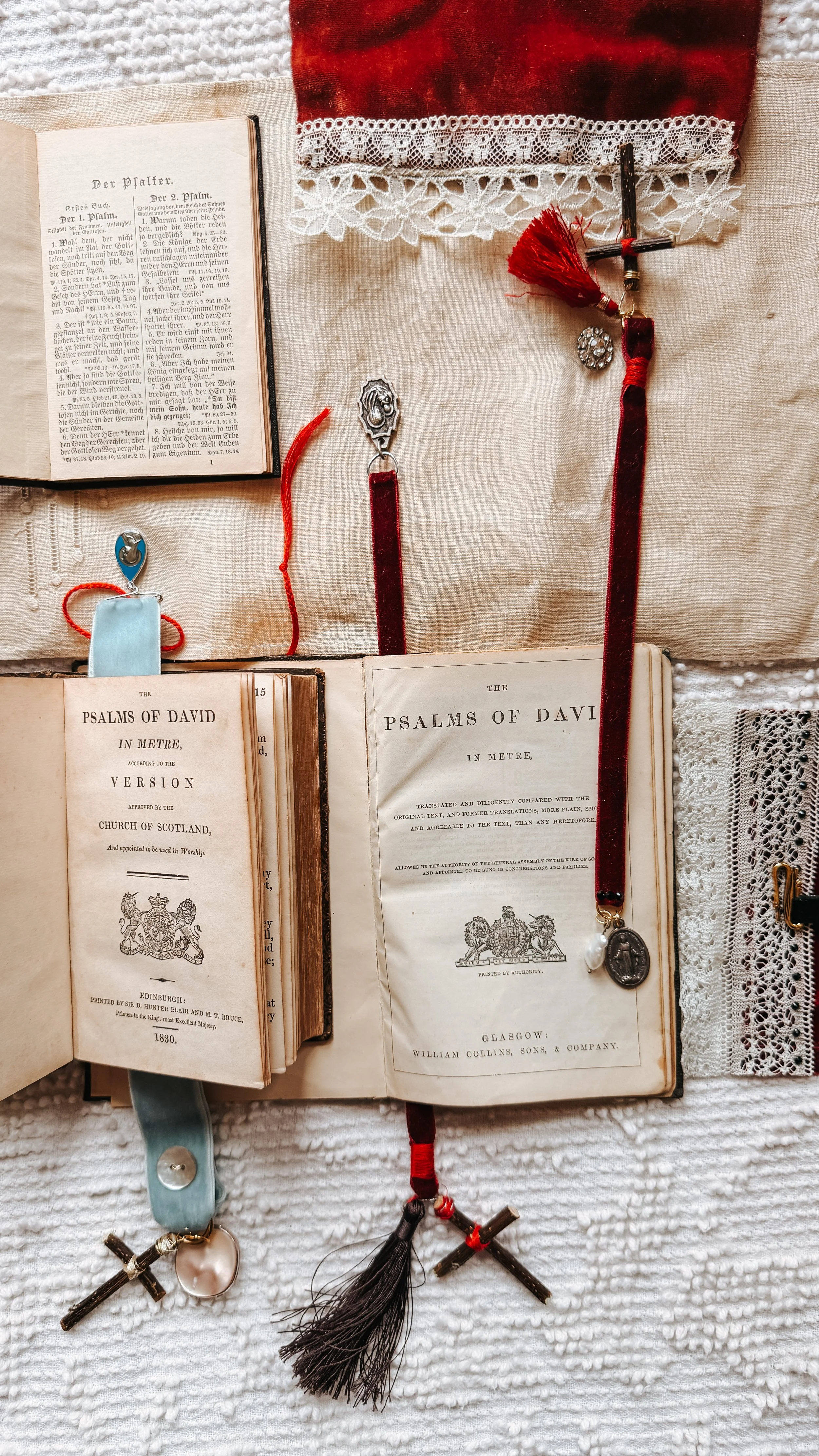 Image 5 of 17
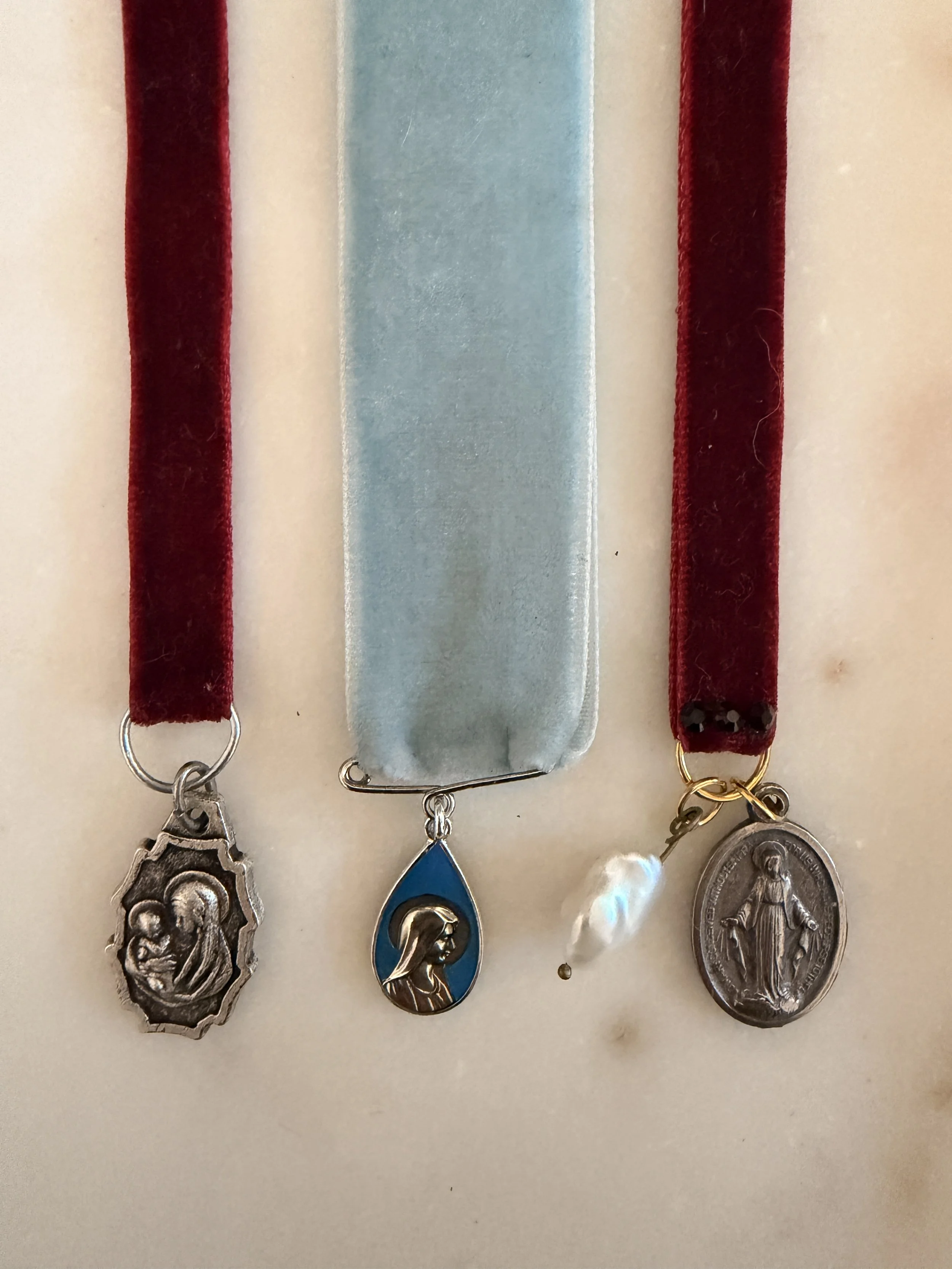 Image 6 of 17
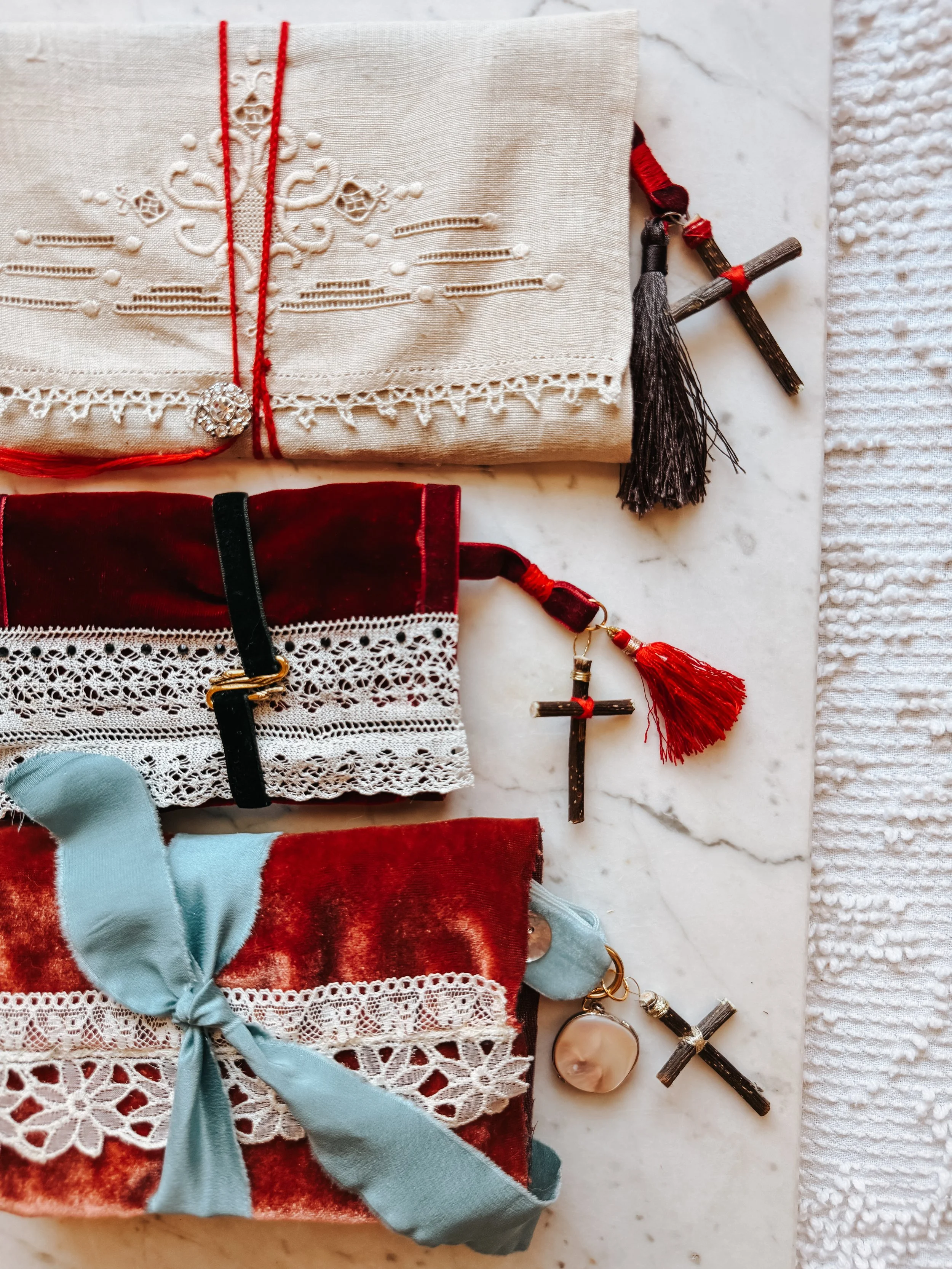 Image 7 of 17
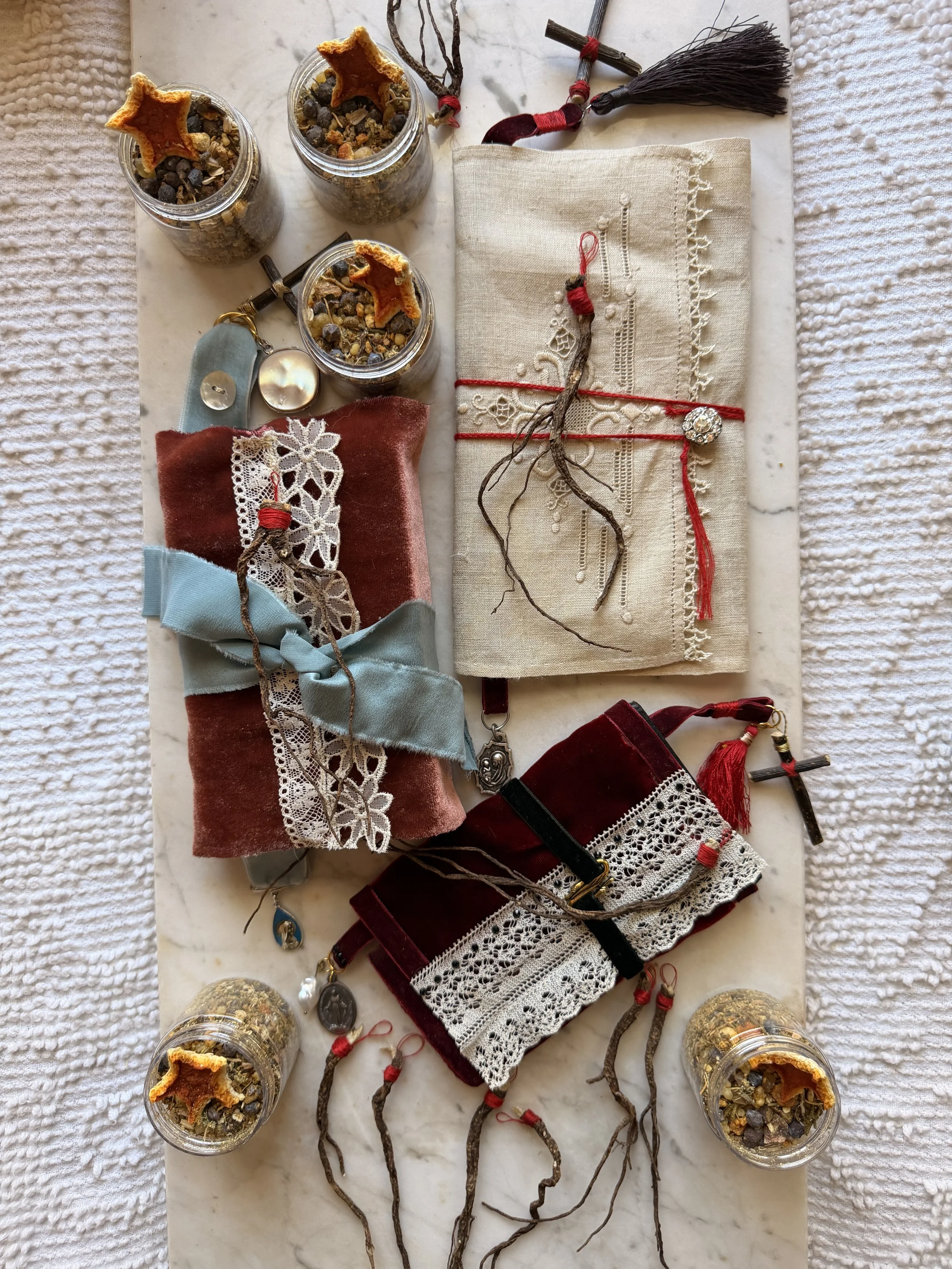 Image 8 of 17
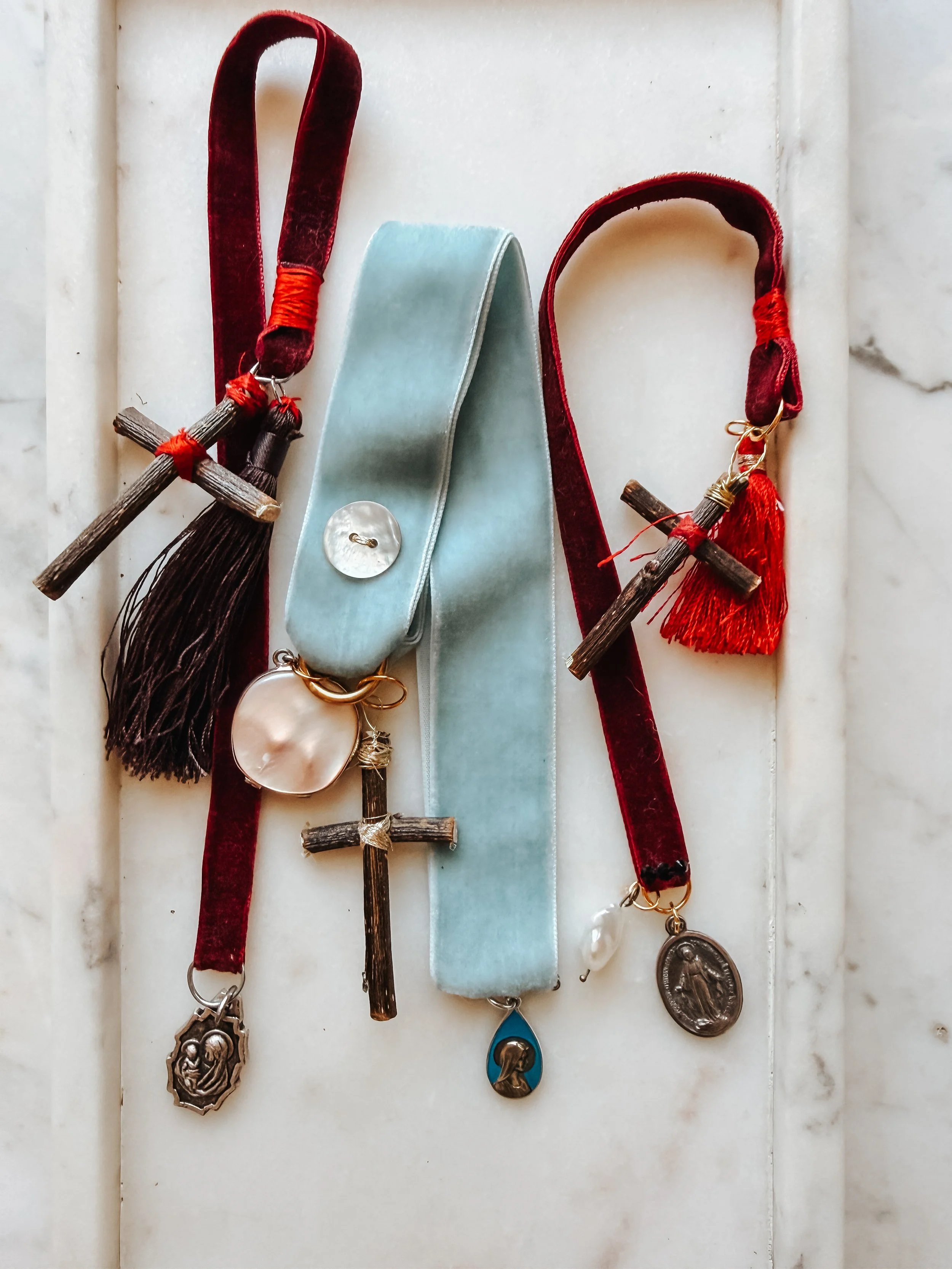 Image 9 of 17
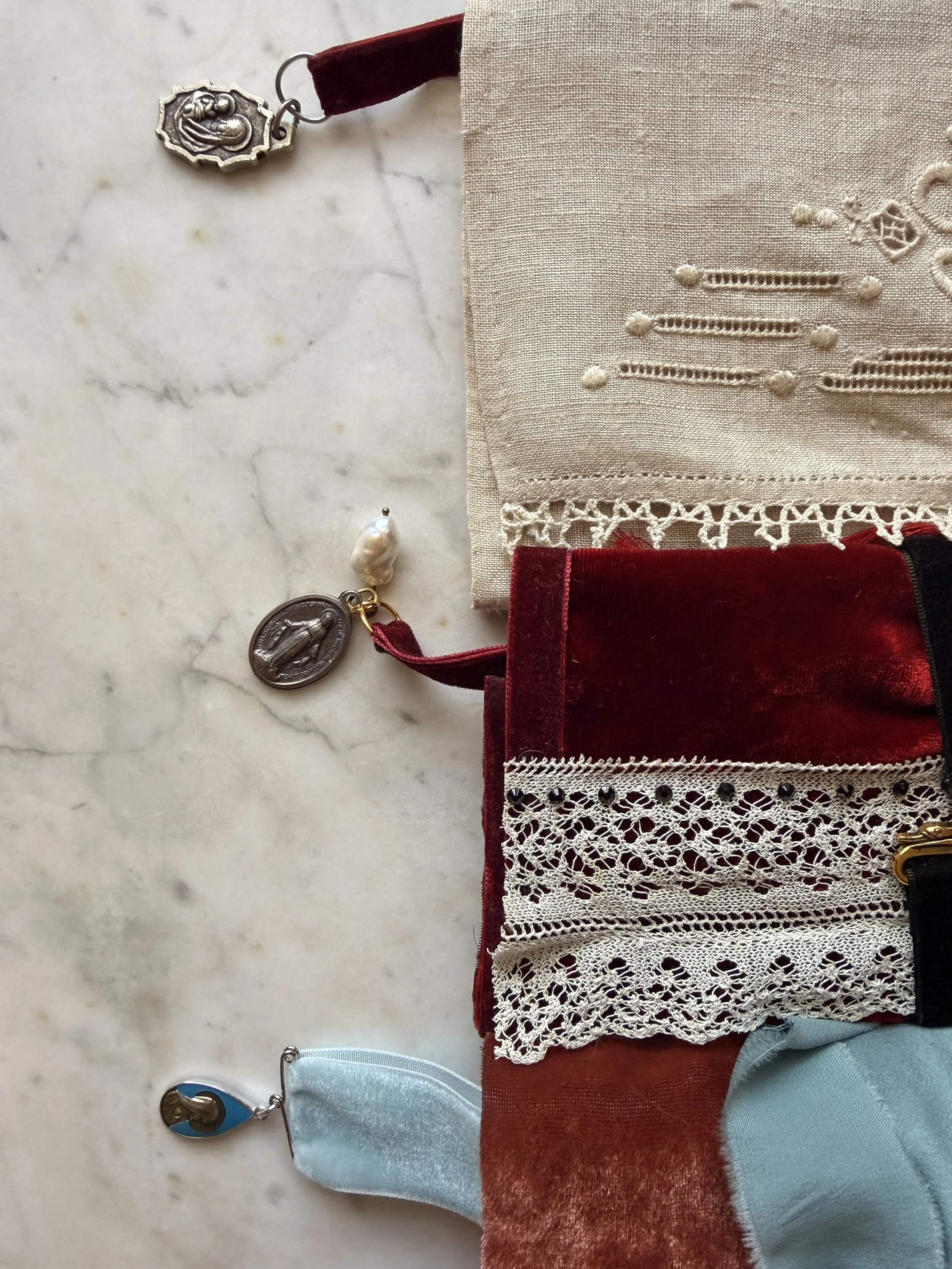 Image 10 of 17
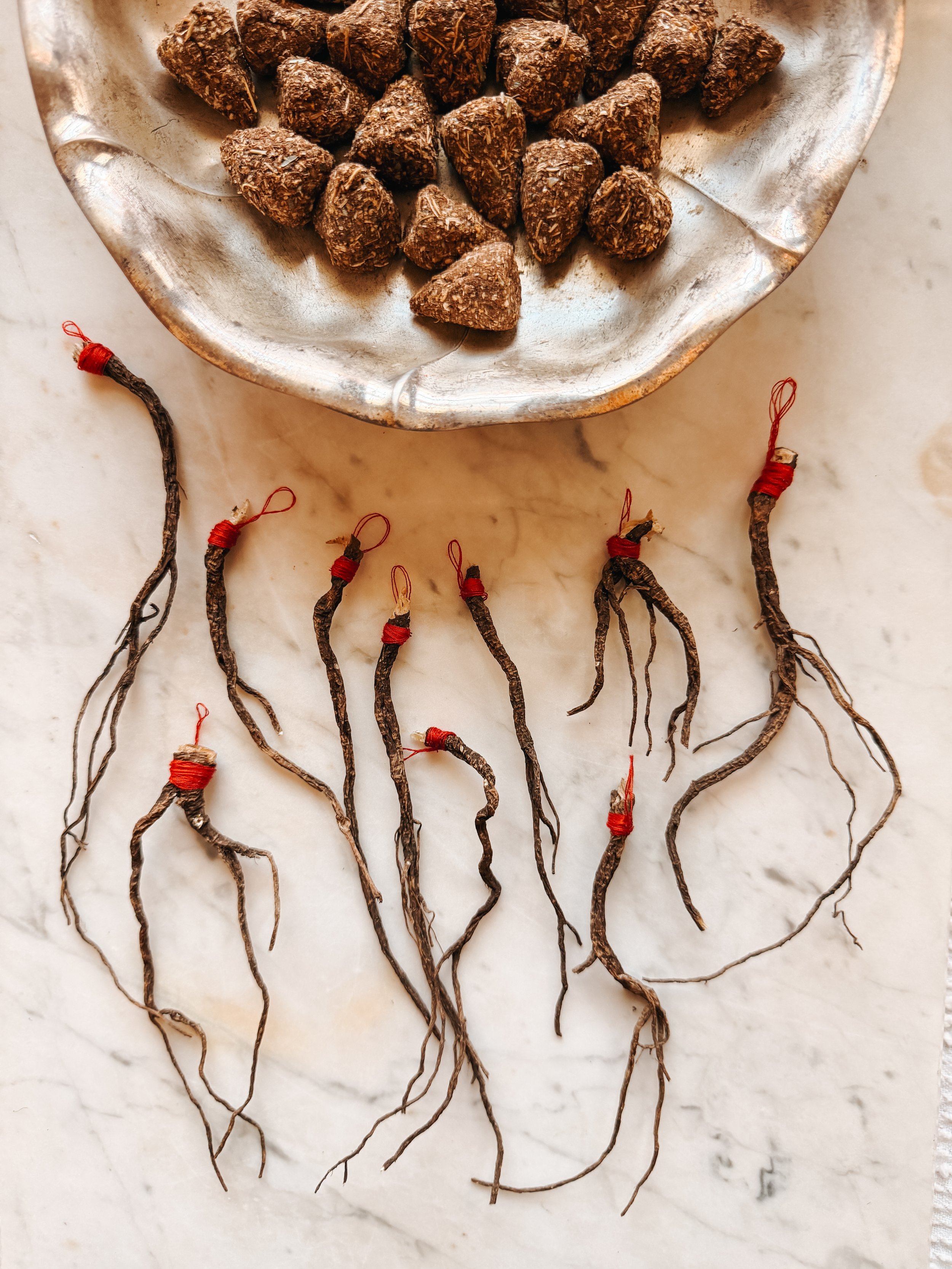 Image 11 of 17
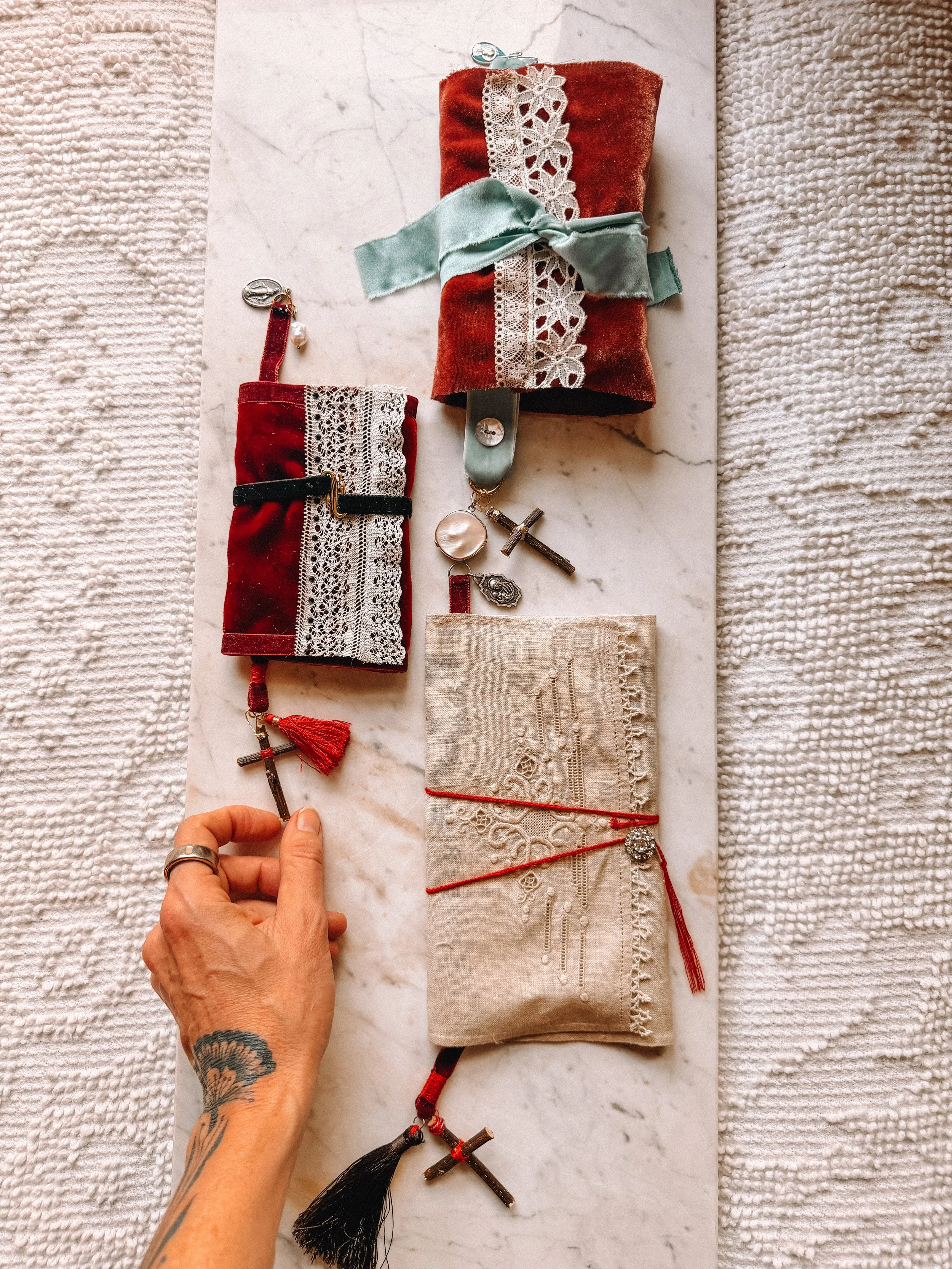 Image 12 of 17
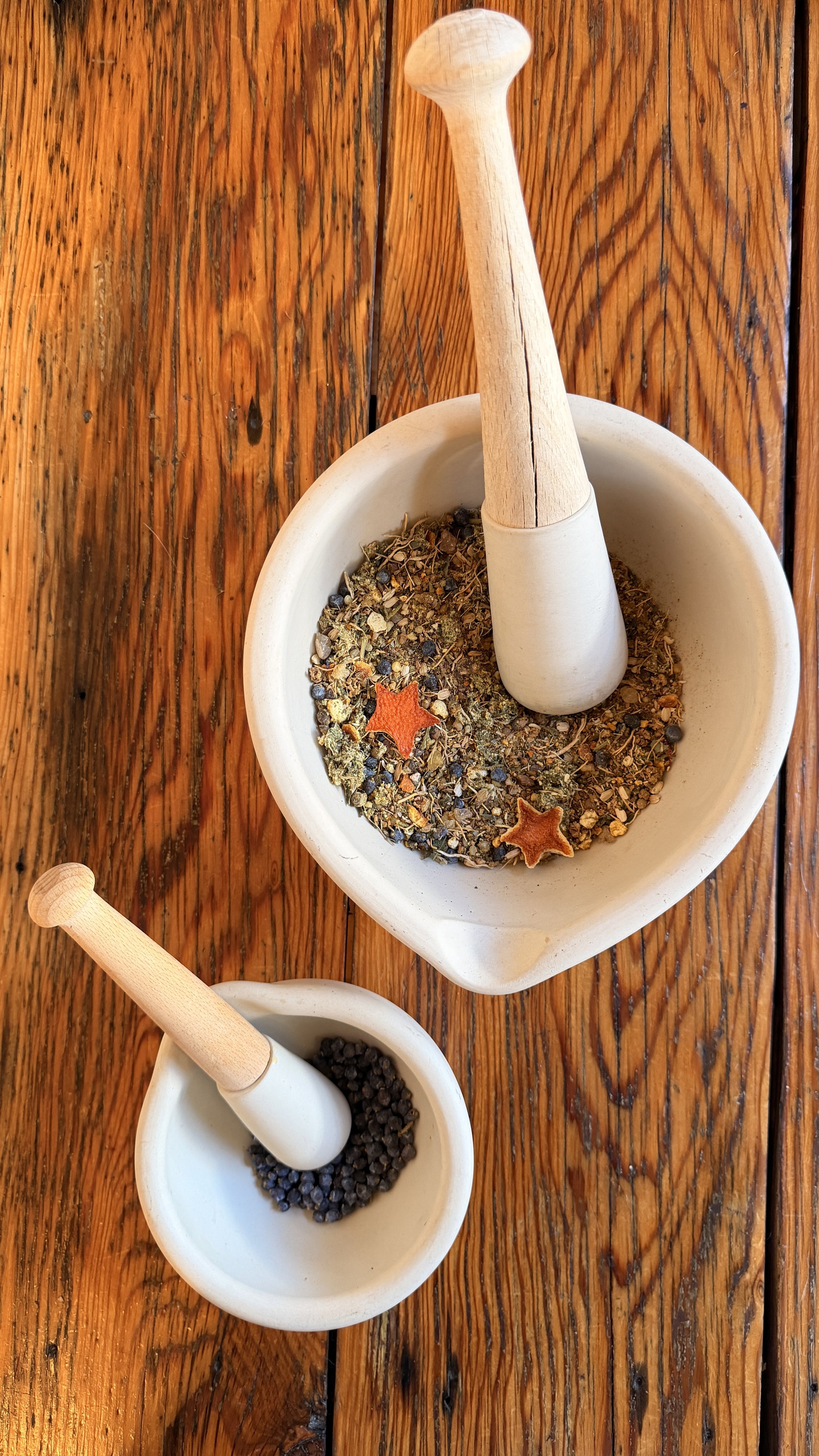 Image 13 of 17
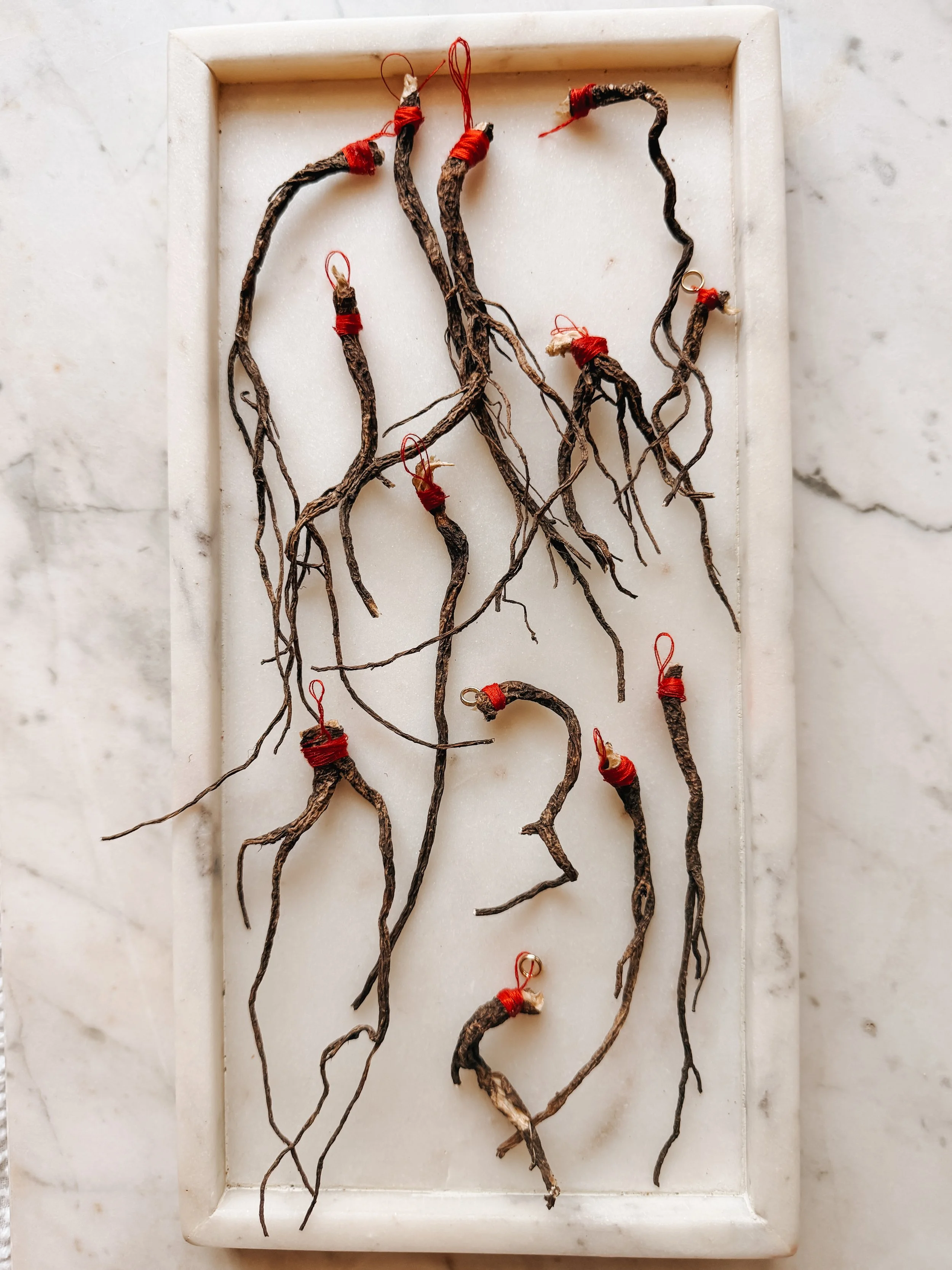 Image 14 of 17
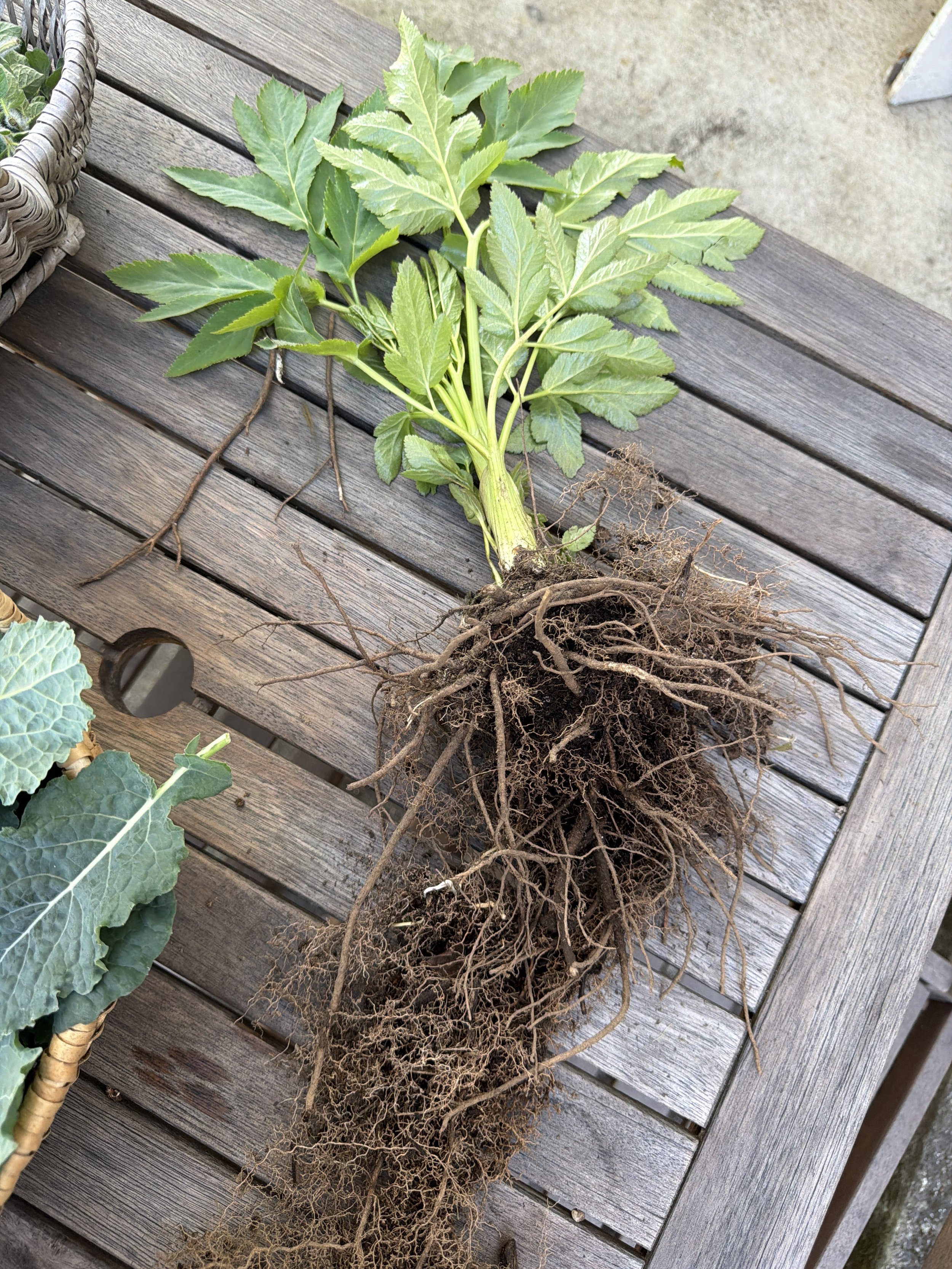 Image 15 of 17
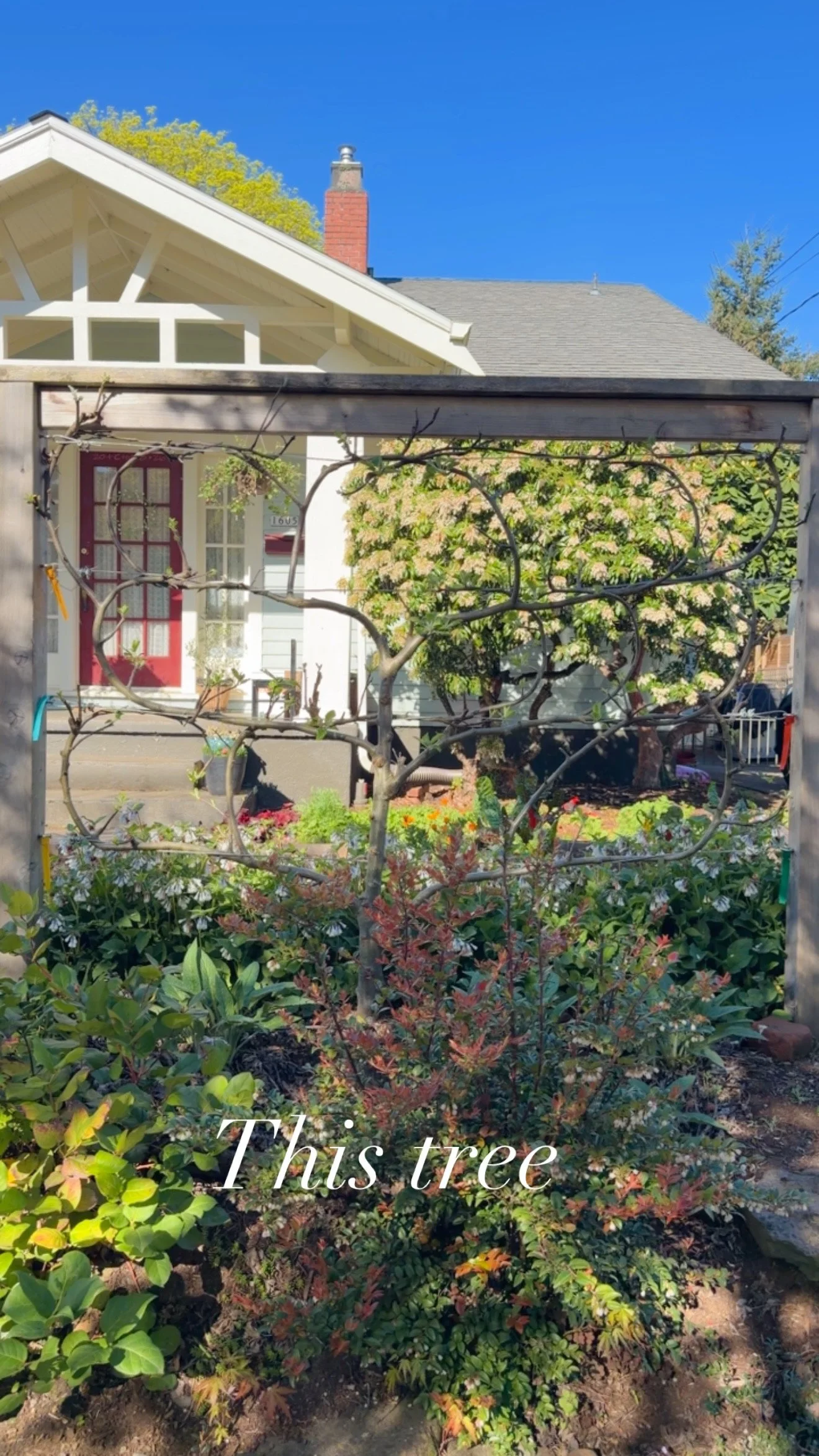 Image 16 of 17
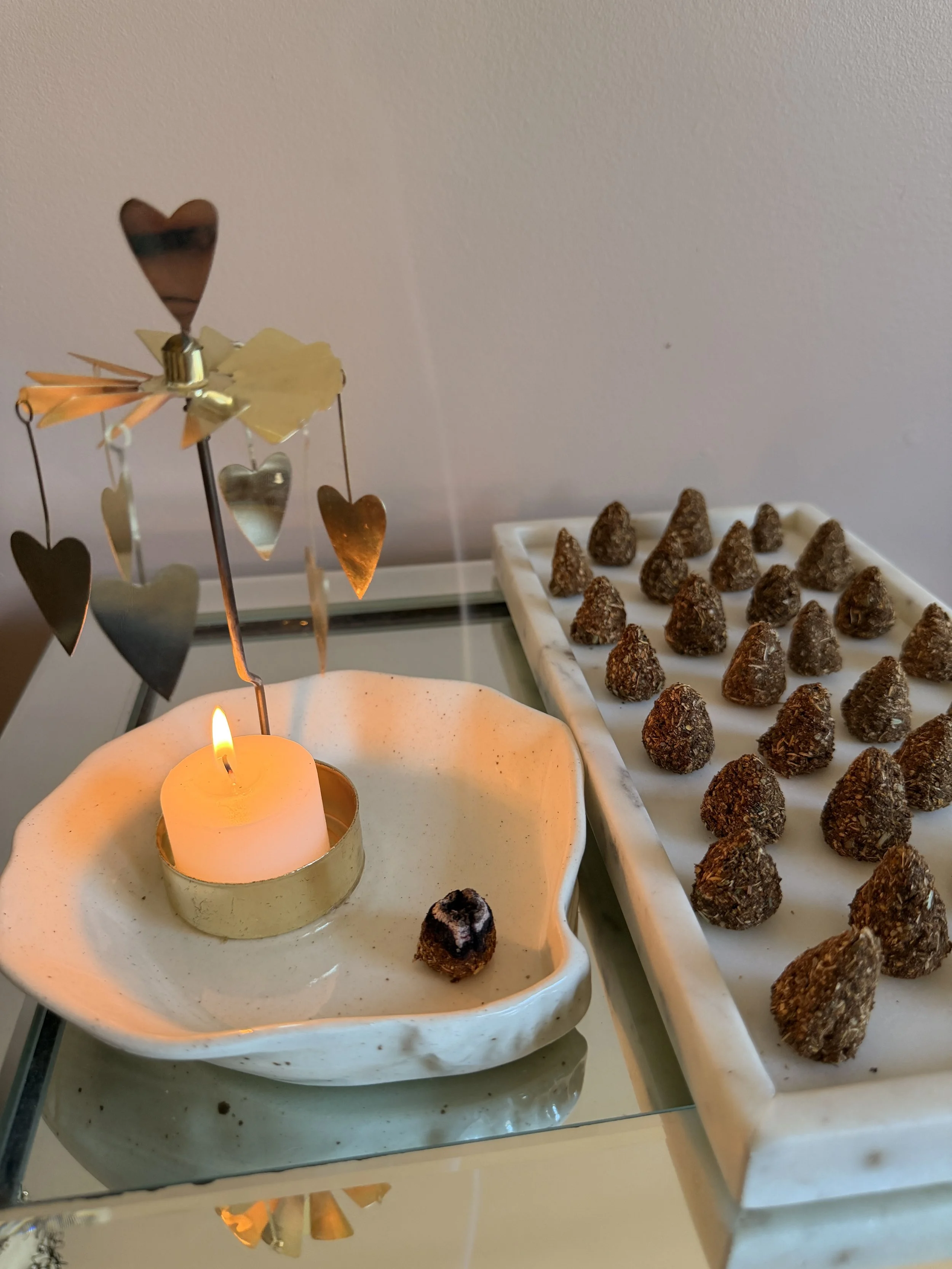 Image 17 of 17